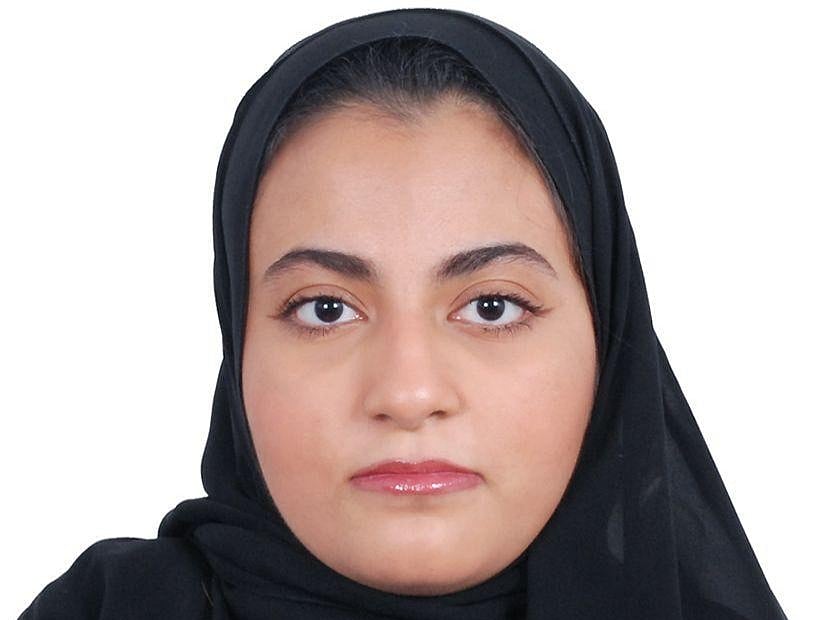
Dubai: Growing up in Abu Dhabi, Maryam Alzaabi learned that a city is defined not just by its landmarks and architecture, but by its people, traditions, and diverse communities.
Born and raised in the capital, she says its multicultural environment has shaped her outlook from an early age.
“Being surrounded by this diversity from a young age has made me open-minded, curious, and eager to learn about other cultures,” Alzaabi told Gulf News.
Her experiences as an Emirati woman and a person of determination have further strengthened her belief in representation, inclusion, and equal opportunities.
“They have shaped the way I see the world and the importance I place on creating opportunities for everyone.”
Get updated faster and for FREE: Download the Gulf News app now - simply click here.
A neighbourhood close to her heart
Despite Abu Dhabi’s rapid transformation, some of Alzaabi’s strongest connections have remained rooted in its traditional neighbourhoods.
One such place is Al Zaab, where her grandmother lives. What makes the area special is its enduring community spirit and the traditions that continue to bring generations together.
“It holds a special place in my heart because it is one of those neighbourhoods where old traditions are still very much alive. Neighbours continue to share meals, come together, and celebrate occasions such as Hag Al Laila as one community,” shared Alzaabi.
She still returns to the neighbourhood to take part in these celebrations, which she believes preserve an important part of Emirati identity.
“There’s something beautiful about traditions that bring generations together and create a sense of belonging. For me, this neighbourhood represents the warmth of Emirati community life and the importance of keeping these traditions alive.”
Bringing family history to life
Alzaabi’s connection to Emirati heritage has also influenced the way she approaches her work in the Saadiyat Cultural District.
She believes Abu Dhabi’s history has stretched far beyond the past 50 years, and that understanding its cultural identity means looking at the generations and experiences that came before.
When conducting tours, she brings history closer to visitors by connecting historical accounts with her own family experiences.
For example, when discussing traditional fishing and pearl diving, she draws on her family’s connections to these practices.
"I believe that history becomes more meaningful when it is told through the perspective of someone who has lived and experienced the culture,” explained Alzaabi.
Rather than focusing solely on dates and historical facts, she uses personal anecdotes to highlight the people and memories behind Emirati traditions.
“This creates a more human connection with visitors and allows them to understand that behind every historical fact, there are real people, memories, and lived experiences.”
Through these stories, she has hoped to preserve Emirati heritage while making it relatable to people from various cultures and backgrounds.
Making Abu Dhabi more inclusive
As a wheelchair user, Alzaabi has understood first-hand why accessibility must be considered when designing public spaces and cultural destinations.
She has welcomed Abu Dhabi’s efforts to address different accessibility needs, including initiatives such as the “Hidden Disabilities Sunflower” programme, introduced at several destinations across the capital, including Yas Mall, Zayed International Airport, and Zayed National Museum.
“I think initiatives like these are important because accessibility is not always visible. They help create greater awareness and understanding of the different needs people may have, while allowing individuals to feel more comfortable navigating public spaces,” stated Alzaabi.
Having witnessed Abu Dhabi’s growth throughout her life, she has been encouraged by the increasing recognition that inclusion must be an integral part of the city's visitor and community experience.
“What makes Abu Dhabi special is its growing recognition that inclusion should be part of the overall experience of living in and visiting the city.”
Giving people of determination a voice
For Alzaabi, meaningful inclusion begins with involving people of determination in the decisions that affect them.
According to her, accessibility should not be an afterthought or something discussed only once a space or programme has been developed. Instead, people with disabilities should have a voice from the earliest planning and creative stages.
“It is not enough to design spaces and programmes for people of determination without including them in the conversations that shape those experiences,” said Alzaabi.
Their lived experiences and perspectives are essential to creating cultural spaces that genuinely meet different needs.
“Inclusion is not simply about providing access, it is about creating opportunities for people to participate, contribute, and feel that they belong.”
From celebrating Hag Al Laila in her grandmother’s neighbourhood to sharing Emirati history with international visitors in the Saadiyat Cultural District, Alzaabi’s journey has reflected her deep connection to Abu Dhabi.
Her message is that building an inclusive city means more than making places accessible. It means ensuring everyone has the opportunity to participate in shaping the spaces, stories, and experiences that define it.
“After all, the best way to create meaningful experiences for everyone is to make sure everyone has a voice in creating them.”
Network Links
GN StoreDownload our app
© Al Nisr Publishing LLC 2026. All rights reserved.