Lilac Schonberg, Filipina mechatronic robotics engineer, doctoral graduate, breast cancer survivor, and autism advocate based in Abu Dhabi
From survivor to supporter: Abu Dhabi-based expat offers free autism assessments to UAE families
Her personal journey shaped her push for early intervention, break barriers to autism care
Last updated:
3 MIN READ
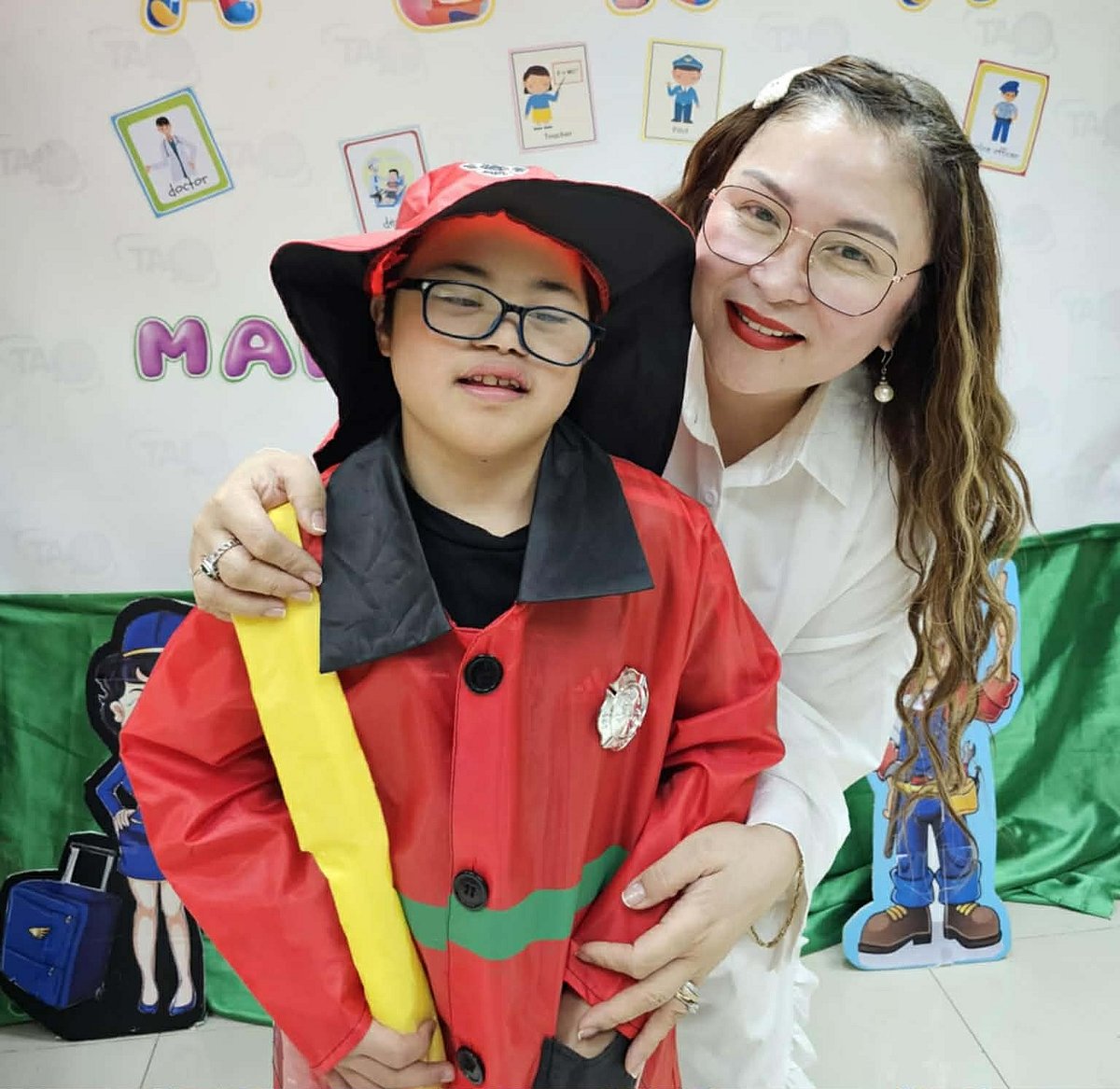
From being a cancer survivor to advocating autism awareness, this Filipina engineer in the UAE opens her doors to families who need it most
Supplied
Dubai: For many parents in the UAE, the first signs of developmental delay in a child can bring uncertainty and often, hesitation.
This Autism Awareness month, Abu Dhabi-based Filipina expatriate Lilac Schonberg is working to remove that hesitation by offering free applied behaviour analysis assessments to families this April, ensuring early support is within reach regardless of financial circumstances.
Get updated faster and for FREE: Download the Gulf News app now - simply click here.
A personal mission shaped by experience
For Schonberg, her advocacy is not just professional but is deeply personal. An engineer and a breast cancer survivor, her journey has been shaped by both her work with children and her own life challenges.
"Facing cancer does something to your sense of urgency. You stop postponing the things that matter. The cancer didn't create my advocacy, but it stripped away every reason I had to hold back," recalled Schonberg.
That sense of urgency has driven her to act, especially when it comes to early intervention for children on the autism spectrum.
Opening doors to early diagnosis
The initiative has been aimed at families who may have noticed early signs of developmental differences but have not yet sought professional evaluation.
High costs, limited access, and uncertainty often prevent parents from taking the first step. Through these free assessments, families have been set to receive clear and easy to understand feedback, along with guidance on the next steps tailored to their child’s needs.
Schonberg's goal is not just diagnosis, but empowering parents with knowledge and direction.
Breaking the stigma
In the UAE’s multicultural society, cultural perceptions around developmental conditions can delay action.
According to Schonberg, many Filipino and Asian households struggle with the idea of seeking a formal diagnosis.
"A diagnosis is not a label. It is a map," said Schonberg.
She added, "Don't wait for a crisis. Don't wait until school becomes impossible. If something feels different about your child's development, seek an assessment. That is the single most powerful thing a parent can do."
Use of 'social robots'
Schonberg has been originally trained in robotics and engineering. Given this experience, she has developed the use of "social robots" as an innovative therapeutic tool for children in the spectrum.
"A social robot is consistent. It won't get frustrated. It won't look away. Because of that consistency, the child feels safe enough to engage," explained Schonberg.
However, she has emphasised that, "It's not a replacement for human therapy. It's a bridge."
In documented sessions, it has been revealed that children who were non-verbal began initiating communication with the robot, then with therapists, and followed with peers.
The approach is integrated into structured storytelling exercises, emotion recognition tasks, and physical interaction modules, with measurable outcomes tracked throughout
Supporting families
Apart from clinical care, the Filipina engineer has also organised an outreach, where she and her team is set to distribute 500 grocery packs to families of all nationalities this April 25, prioritising those raising children on the autism spectrum.
It is an effort that recognises the broader challenges families face, where financial pressures and caregiving responsibilities come hand in hand. For parents across the UAE, Schonberg has advised fellow parents to act early.
In a country steadily advancing support for people of determination, initiatives like this ensures that no family is held back by cost, stigma, or lack of awareness.
Network Links
GN StoreAbout Gulf NewsTerms & ConditionsReach by GNSitemapContact usPrivacy PolicyGN FocusHave your sayWork with usAdvertise with usGulf News epaperPrinting Services
Download our app
© Al Nisr Publishing LLC 2026. All rights reserved.