No extortion: UAE rejects Iran's transit fees in Strait of Hormuz
Gulf states and US unite to condemn Iranian mining and transit fees in Strait of Hormuz
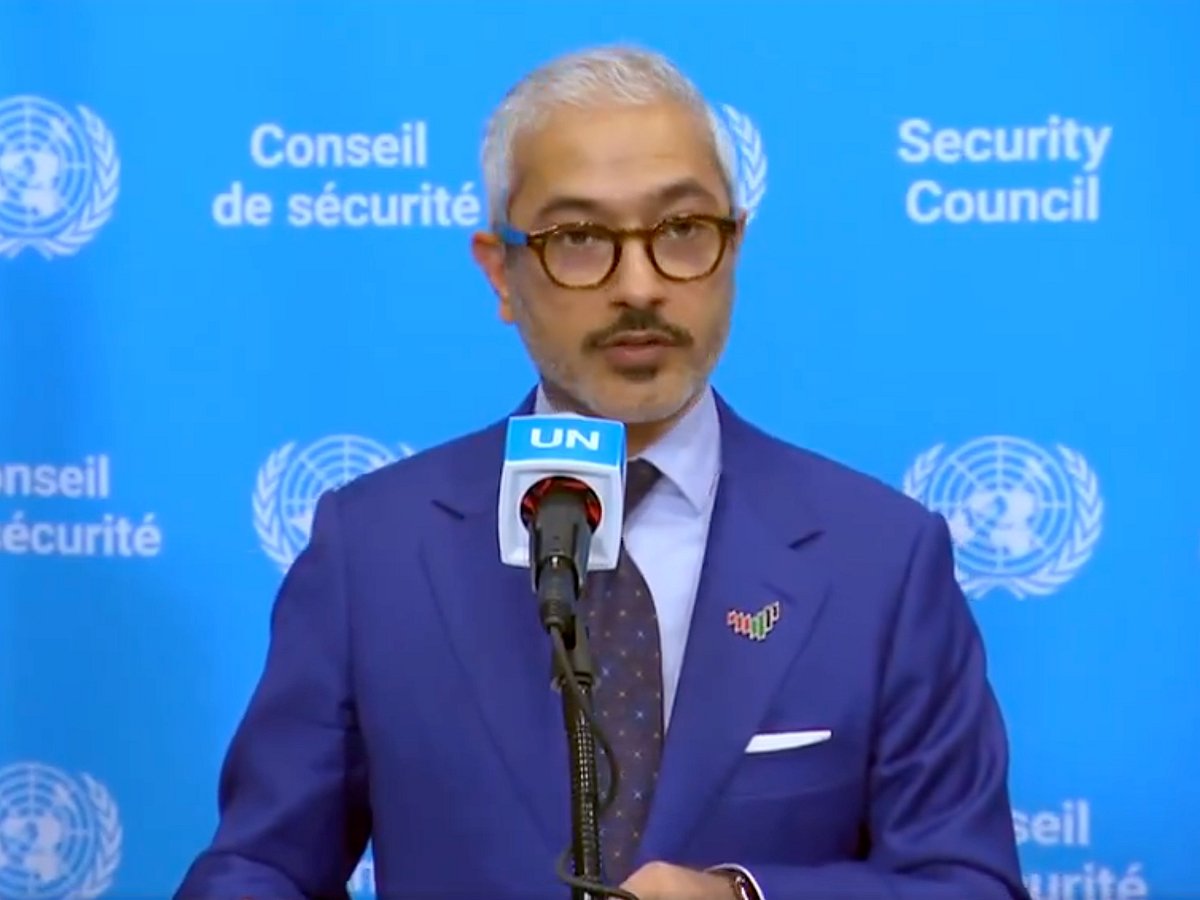
Abu Dhabi: The UAE has rejected any attempt to impose transit fees on vessels passing through the Strait of Hormuz, as Arab states and the United States intensified diplomatic efforts at the United Nations to safeguard freedom of navigation in one of the world’s most strategically vital waterways.
Speaking during a media briefing in New York on a joint Gulf-US draft resolution at the UN concerning the Strait of Hormuz, Mohamed Abushahab, Permanent Representative of the UAE to the United Nations, said the UAE opposed the imposition of any charges on ships transiting the strait.
Get updated faster and for FREE: Download the Gulf News app now - simply click here.
“We reject the imposition of any fees for passage through the Strait of Hormuz. These international maritime corridors must not be subjected to extortion,” he said.
Abushahab accused Iran of laying mines and imposing transit fees in the waterway, adding that Iranian threats and attacks in the Strait of Hormuz had continued unabated.
He said the proposed resolution included provisions calling for the removal of mines from the strait, describing the measure as essential to ensuring the freedom and safety of maritime navigation.
The UAE envoy added that the draft resolution also supported the establishment of a humanitarian corridor to guarantee the passage of aid, food supplies and fertilisers through the strait, amid what he described as escalating Iranian attacks in the area.
Abushahab said the resolution was of critical importance because it prioritised international law, protected international waterways and recognised the impact any disruption in the strait could have on global food security and economies dependent on the shipping route.
Arab envoys at the United Nations also expressed unified opposition to any Iranian control over the Strait of Hormuz, warning that any closure of the passage would have severe consequences for energy markets and global supply chains.
Jamal Fares Al Rowaie, Bahrain’s Permanent Representative to the United Nations, stressed the importance of keeping the Strait of Hormuz secure and open to international shipping traffic, expressing his country’s hope of working constructively with member states to finalise the draft resolution.
Meanwhile, Alya Ahmed bin Saif Al Thani, Qatar’s Permanent Representative to the United Nations, called for keeping the strait open and warned that any closure would affect the energy sector and global supply chains. She also stressed the importance of achieving a ceasefire between parties involved in the regional conflict.
Saudi Arabia’s representative to the United Nations, Abdulaziz Alwasil, warned that closing the Strait of Hormuz could trigger humanitarian crises, noting that the draft resolution emphasised the need to ensure aid reaches those in need.
He described the strait as a critical artery for global trade, saying any threat to its security would raise widespread international concern.
The US representative to the United Nations, Mike Waltz, also voiced concern over developments in the Strait of Hormuz, warning that global freedom of navigation was at stake and that any violation would set a dangerous precedent.
Waltz said Iranian actions in the strait constituted violations of several international resolutions and called on Tehran to remove mines, stop threatening maritime navigation and refrain from imposing transit fees on vessels.
He reiterated the importance of safeguarding maritime routes and ensuring the free movement of international trade.
Earlier this week, Waltz said the United States and Gulf countries were working on a UN Security Council draft resolution condemning Iran over the closure of the Strait of Hormuz in response to the US-Israeli war, according to Reuters.
He said negotiations over the draft resolution would continue this week, after Russia and China, both permanent members of the Security Council, blocked a previous resolution last month that Washington had hoped would help restore freedom of navigation in the strategic maritime corridor.
Network Links
GN StoreDownload our app
© Al Nisr Publishing LLC 2026. All rights reserved.