National Emergency Response Forum launched in Abu Dhabi to build frontline competency, readiness
UAE invests over Dh100m annually in advanced training for first responders
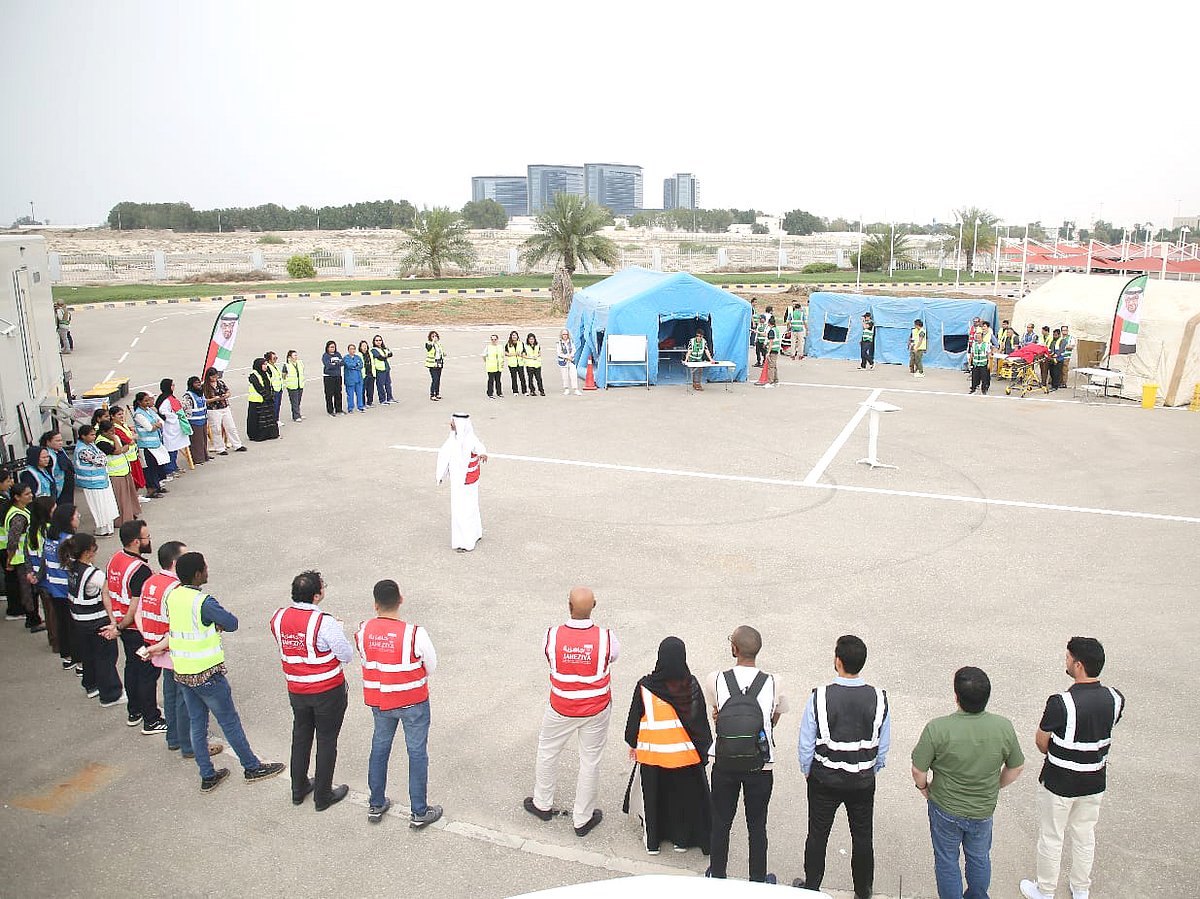
The UAE National Programme for Preparedness and Response (Jaheziya) has launched the National Emergency Response Forum under the National Unified and Integrated Preparedness and Response System, with wide participation from healthcare, security, civil defence and vital sector entities.
The forum forms part of national efforts to enhance institutional integration, unify operational concepts and strengthen the efficiency of emergency and crisis response systems in line with international best practices.
Get updated faster and for FREE: Download the Gulf News app now - simply click here.
The event brought together officials, experts and first responders from healthcare institutions, ambulance services, civil defence, police and other critical sectors involved in managing major incidents.
During the forum, first line of defence personnel from the Jaheziya Programme, Istijaba Programme and the UAE National Medical Reserve and Volunteer Programme were honoured in recognition of their role in safeguarding the community and strengthening national health security.
A report on the National Unified and Integrated Preparedness and Response System was presented, highlighting key achievements, including emergency preparedness programmes for healthcare and non-healthcare staff, training for first responders, institutional preparedness initiatives and community awareness programmes.
The forum featured panel discussions, workshops and technical presentations showcasing national and international experiences and emerging trends in emergency preparedness and response, aimed at enhancing the competencies of first responders.
Programmes are based on a comprehensive training framework combining theoretical and practical components, including simulation exercises and multi-agency response scenarios delivered under an internationally accredited methodology.
These initiatives are implemented in collaboration with leading academic institutions and training centres from the United States, Europe and other regions, supported by annual investments exceeding Dh100 million.
Dr Adel Al Shamry Al Ajami, CEO of Zayed Giving Initiative, President of Emirates Doctors Initiative and CEO of Jaheziya, said, “The forum represents a national training platform aimed at strengthening coordination and integration among entities involved in managing major incidents and mass casualty events.”
He added, “The strong participation reflects a shared commitment across government, private and non-profit sectors to enhance collaboration, exchange expertise and equip first responders with practical skills based on a unified and internationally accredited framework.”
Dr Al Ajami noted that the forum supports coordination between national institutions and international partners, highlighting the importance of advanced technologies, including artificial intelligence, in addressing current and future challenges.
He said, “The National Unified and Integrated Preparedness and Response System follows the vision of the leadership in enhancing preparedness, transforming challenges into opportunities and advancing sustainable development through investment in human capital.”
Professor Roberto Mugavero, President of the European Center for Disaster Medicine, praised the UAE’s advanced capabilities, noting that its model represents a global benchmark in institutional integration and capacity building.
Forum sessions addressed key themes including emergency management strategies, command and control systems, multi-agency readiness and best practices in life-saving operations.
Participants also discussed global trends in disasters, the increasing complexity of emergencies and the importance of proactive, training-based approaches to risk reduction, alongside challenges related to communication systems, supply chains, infrastructure integration, patient triage and service continuity.
The forum highlighted the importance of strengthening governance frameworks, integrating national programmes and ensuring regulatory alignment to enhance preparedness and response capabilities.
It serves as a platform to strengthen partnerships, exchange expertise and launch initiatives aimed at achieving the highest levels of readiness, safeguarding the community and ensuring continuity of vital services.
Network Links
GN StoreDownload our app
© Al Nisr Publishing LLC 2026. All rights reserved.