Middle East war: 10 things UAE residents need to know today, October 28
Israel election, Iran blockade, $47.1b war cost and UAE flight disruptions
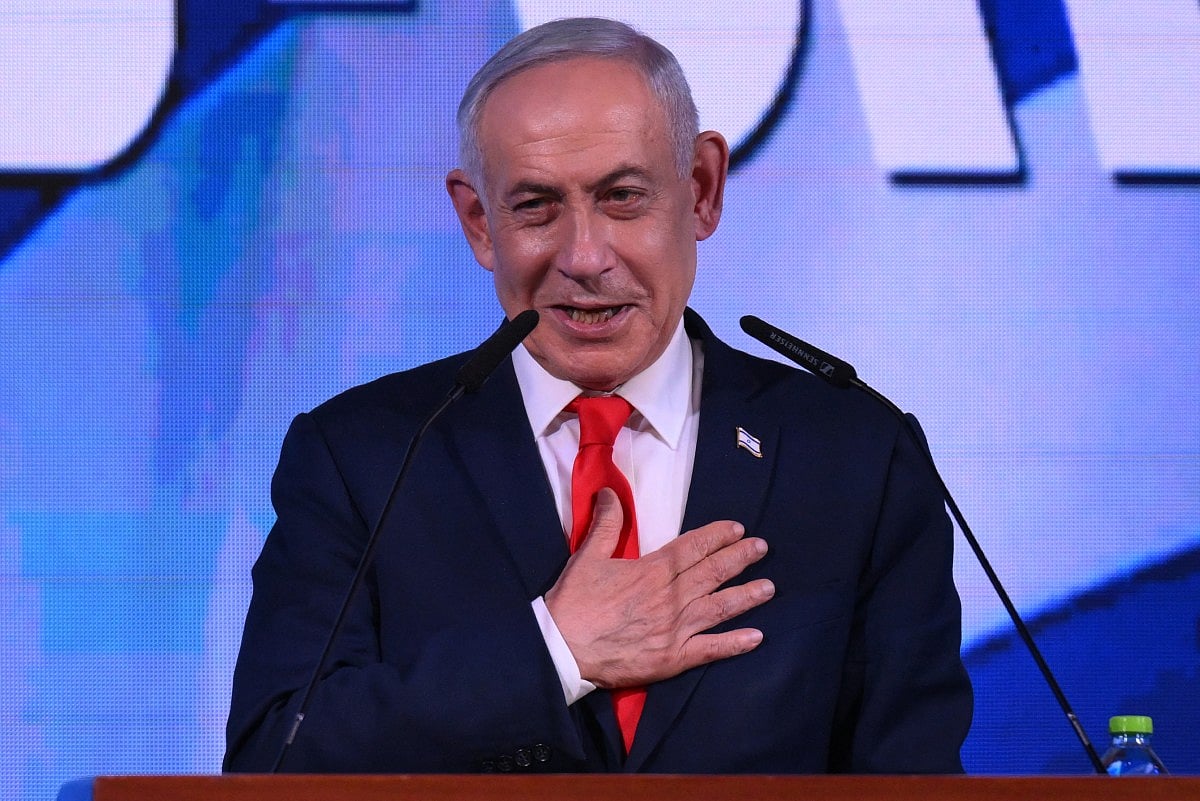
Dubai: Israel faces uncertainty over its next government after an inconclusive election, while Prime Minister Benjamin Netanyahu has raised the prospect of renewed cooperation with US President Donald Trump against Iran.
Diplomatic efforts are continuing, with Qatar presenting Tehran with a new peace proposal. At the same time, the United States is enforcing a blockade of Iranian ports, and shipping restrictions around the Strait of Hormuz remain a concern.
Get updated faster and for FREE: Download the Gulf News app now - simply click here.
For UAE residents, the developments come alongside renewed calls for regional restraint, higher oil prices and continuing flight cancellations and delays.
Here are 10 key developments to know on Wednesday, October 28.
1. Israel election ends without clear winner as Netanyahu eyes Trump partnership
Israel’s parliamentary election has produced no clear winner, according to exit polls, leaving Prime Minister Benjamin Netanyahu and opposition rival Gadi Eisenkot seeking enough support to form a government.
Neither political bloc was projected to secure the 61 seats needed for a majority in the 120-seat Knesset. Eisenkot claimed victory, while Netanyahu’s Likud was projected to remain the largest individual party.
The results are not final, and coalition negotiations could take weeks.
On Wednesday, Netanyahu said Israel had an opportunity to work with Trump to eliminate what he described as the threat posed by Iran. His remarks come amid concerns over another round of military escalation.
2. Qatar presents Iran with new proposal to avert further conflict
Qatar has submitted a new peace proposal to Iran to prevent another major military confrontation.
Reuters reported that Qatari mediators delivered the draft agreement in Tehran on Sunday, citing an official briefed on the negotiations.
Iran is expected to respond by the end of the week.
The diplomatic effort comes as Trump continues to leave open the possibility of further strikes against Iran, while regional countries seek a negotiated settlement.
No agreement has been announced.
3. US enforces blockade of Iranian ports as vessels face inspections
The United States is enforcing a blockade of Iranian ports and coastlines, according to a maritime advisory shared by the United Kingdom Maritime Trade Operations (UKMTO) on October 28.
The restrictions apply to vessels regardless of nationality or ownership.
Neutral ships travelling between ports in the Gulf of Oman and the Strait of Hormuz may be questioned, boarded or searched by US forces to establish their destinations.
Vessels have been advised to avoid unnecessary journeys through the area, maintain radio contact and prepare for possible delays.
The advisory does not mean every vessel passing through the Strait of Hormuz is prohibited from sailing.
4. Iran war costs US $47.1 billion, Pentagon tells Congress
The Pentagon has estimated that US military operations connected to the Iran war cost $47.1 billion as of October 16, according to figures reported by The Hill.
The amount represents a $3.5 billion increase since early September and is more than 25 per cent above projections made in July.
About $29 billion was allocated to replace munitions, $6.1 billion to lost equipment, and nearly $12 billion to additional operational expenses.
The estimate excludes repairs to military bases damaged in Iranian attacks, meaning the overall cost could be higher.
5. Tehran security talks end without agreement
Talks in Tehran involving Iran, Saudi Arabia, Turkey and Pakistan ended without an announced agreement on the war, the Strait of Hormuz or Iran’s nuclear programme.
The discussions brought together Saudi Defence Minister Prince Khalid bin Salman, Pakistani army chief Asim Munir and Turkish intelligence chief Ibrahim Kalin.
Reuters quoted a Pakistani official as saying a proposal had been presented to Iran as part of efforts to find a diplomatic way forward.
The countries agreed to continue discussions, but they have not publicly disclosed details of the proposal.
6. Iran warns South Korean shipping firm over Hormuz crossings
Iran has warned that vessels belonging to South Korean shipping company Sinokor could face legal action from November 1 over alleged violations of restrictions in the Strait of Hormuz.
Iran’s Gulf Strait Authority accused the company’s vessels of recording the most crossing violations in the previous three months, according to Reuters.
The authority said it had already taken action against at least seven vessels.
The warning did not explicitly threaten missile attacks against the company’s entire fleet.
7. Oil prices climb above $115 a barrel
Oil prices rose on Wednesday as traders kept a close eye on developments in the Middle East and the risks facing regional shipping.
Brent crude futures increased by $1.48, or 1.3 per cent, to $115.36 a barrel at 01:40 GMT.
US West Texas Intermediate crude rose by $1.22, or 1.22 per cent, to $101.12 a barrel.
The Strait of Hormuz remains a major concern for energy markets because it is a key route for global oil shipments.
The figures are from early Wednesday trading and are not live prices.
8. Syria reopens Jordan border after deadly air strikes
Syria reopened its main border crossing with Jordan on Wednesday after diplomatic efforts to ease tensions following Jordanian air strikes in southern Syria.
The strikes were carried out in retaliation for a deadly attack on a church in Jordan.
Damascus condemned the military operation as a violation of Syrian territory, while Jordan said it had targeted militant fighters.
Jordan subsequently expressed regret over civilian casualties and sought to reassure Syria about relations between the two countries.
The reopening restores an important route for passengers and commercial traffic.
9. UAE’s Gargash calls for restraint and political solutions
Dr Anwar Mohammed Gargash, Diplomatic Adviser to the UAE President, has reaffirmed the country’s commitment to dialogue and diplomacy as uncertainty continues across the region.
In a statement posted on X, Gargash said the UAE’s position remained focused on wisdom, balance and political solutions despite speculation about possible further escalation.
He called for restraint, flexibility and rational decision-making, warning that military confrontation would create additional crises.
Gargash said diplomacy remained the most effective way to protect regional security and achieve lasting stability.
10. UAE flight updates: Cancellations and delays continue
Flights across the UAE remain affected by regional tensions, with cancellations, delays and schedule changes on several routes, particularly to Saudi Arabia.
Emirates, Etihad Airways, flydubai and Air Arabia have reported disruptions to selected services. Some flights have resumed, but schedules remain subject to change.
Passengers are advised to confirm their flight status directly with their airline before travelling to the airport.
Flight status alert: Always check official airline websites for real-time updates, as flight schedules and conditions can change rapidly.
Sign up for the Daily Briefing
Get the latest news and updates straight to your inbox
Network Links
GN StoreDownload our app
© Al Nisr Publishing LLC 2026. All rights reserved.