Your liver can be 80 per cent damaged and still feel fine: UAE doctors explain the silent disease
Experts explain why liver disease stays hidden and how early screening can save lives
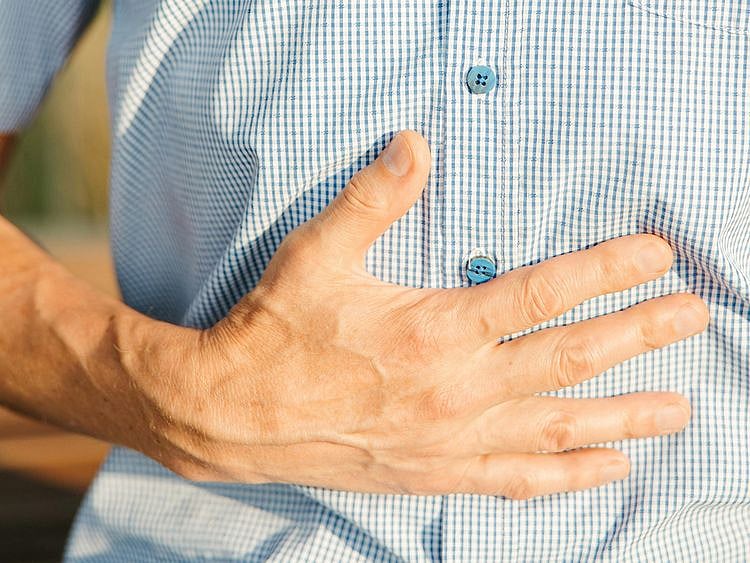
Dubai: Your liver does not have pain receptors. It also keeps working when most of it has stopped being healthy tissue. Put those two facts together and you get a disease that can run for two or three decades without producing a single thing you would notice.
That is roughly the situation a large share of adults in this country are in right now, according to the specialists treating them. Most of them feel completely fine.
What doctors are seeing
The most striking number comes from Dr Vinod Hegade, Consultant Hepatologist at Medcare Hospital Sharjah. "Estimates suggest that up to 30 per cent to 40 per cent of the UAE's adult population may be suffering from fatty liver disease," he says.
The condition was renamed a couple of years ago. It is now Metabolic Dysfunction-Associated Steatotic Liver Disease, or MASLD, having previously been known as NAFLD, and the rebrand reflects what doctors now understand to be driving it.
Get updated faster and for FREE: Download the Gulf News app now - simply click here.
"MASLD can progress to severe liver inflammation, fibrosis, cirrhosis, and liver failure," Dr Hegade continues. "Indeed, cirrhosis caused by MASLD is becoming the leading cause for liver transplantation."
"Yes, there is a substantial increase in the cases of liver diseases in the UAE, especially chronic diseases like MASLD, chronic hepatitis, acute on chronic hepatitis, early age onset liver disease due to obesity, overweight and metabolic syndrome," says Dr Jaspreet Kaur, Specialist Internal Medicine, from RAK hospital.
Early age onset. This is no longer something that arrives in your sixties.
At Burjeel Medical City, the trajectory is described as a chain reaction, one condition dragging the next along behind it. "Fatty liver cases are increasing alongside the prevalence of obesity and type 2 diabetes," says Consultant Hepatologist Dr Olithselvan Arikichenin. "With the increase in fatty liver cases, serious liver conditions such as cirrhosis and advanced decompensated cirrhosis will also increase."
Why you would not feel a thing
Here is the mechanism that makes all of this so hard to catch in time.
"Fatty liver disease, and most liver diseases for that matter, is silent because the liver has a remarkable capacity to adjust and carry on its functions even if it is 70 to 80 per cent damaged," Dr Arikichenin explains. "Fatty liver disease does not produce any symptoms, and symptoms only occur when the liver has failed, by which time it is usually difficult to treat medically."
There is an anatomical reason on top of that resilience, and Dr Kaur spells it out. "Fatty liver is often labelled as a silent killer because it can quietly progress to advanced fibrosis and cirrhosis over a span of 10 to 30 years without producing a single overt symptom. Why it happens is due to lack of pain receptors in the liver in addition to excellent compensatory capacity of the liver."
Ten to 30 years. An entire window in which something could have been done, passing unnoticed.
When early symptoms do surface, they are the sort of thing nobody books an appointment for. Fatigue. Low energy. A bit of discomfort under the ribs. As Dr Hegade puts it, "when symptoms do occur, they may be vague and easily overlooked, such as fatigue, reduced energy levels or mild discomfort in the upper abdomen."
Who is most at risk
Type 2 diabetes and obesity sit at the top of every list, and the overlap with diabetes in particular is enormous.
"A study showed that about 60 per cent of people with type 2 diabetes had fatty liver," says Dr Arikichenin.
Dr Kaur's list runs wider. "The people with diabetes mellitus, obesity, dyslipidemias, metabolic syndrome, chronic intake of alcohol and with sedentary lifestyle choices are at increased risk of developing it."
None of that makes for a reliable filter, though, which is the warning Dr Hegade wants readers to take away. "It is important to recognise that fatty liver can also occur in individuals who are not overweight, particularly if there is a family history, poor dietary habits or limited physical activity."
The people who assume they are fine
"In internal medicine, we frequently encounter patients who don't drink alcohol, maintain a normal Body Mass Index, and consider themselves active, yet they have metabolic liver injury or elevated liver enzymes," says Dr Kaur.
One of the causes she names will surprise the gym-going crowd. "The main reasons responsible for it is the intake of increased dietary sugars, over the counter intake of supplements, especially the younger population going to gym taking supplements for muscle building, people with obesity or metabolic syndrome having sleep apnea, diabetes, prediabetes."
Diet is only part of it. Sleep, stress and sitting still all feed into the same metabolic problem, according to Dr Hegade, who says: "Regular consumption of highly processed foods, sugary drinks and diets rich in saturated fats can gradually lead to fat accumulation in the liver. Chronic stress, inadequate sleep and prolonged sedentary behaviour may also indirectly affect metabolism and contribute to weight gain."
The supplement cabinet gets a mention from him too. "The overuse of certain supplements, unregulated herbal products and unnecessary medications can sometimes place additional strain on the liver."
The bluntest line of the three interviews belongs to Dr Arikichenin, and it is the one worth reading twice. "People with fatty liver develop liver disease and liver complications in exactly the same way as people who drink alcohol excessively. Unhealthy lifestyle habits carry the same risk of liver disease as alcohol."
The signs that should send you to a clinic
Because the early stage is silent, most symptoms that do appear are signalling that things have already moved along.
Dr Hegade divides them into two tiers. The first is easy to dismiss. "Persistent fatigue, unexplained weight loss, reduced appetite, abdominal discomfort or swelling and persistent nausea should not be ignored."
The second tier is not. "More concerning symptoms include yellowing of the skin or eyes, dark-coloured urine, pale stools, swelling in the legs, easy bruising, confusion or changes in mental alertness."
Much the same list comes from Dr Kaur, with a few additions. "The early warning signs of liver diseases usually can start from very vague symptoms of fatigue, persistent malaise to right upper abdominal pain, yellowish discoloration of the eyes, skin, urine, itching over the skin, bleeding from the mouth, in the stool, or in the vomitus. Altered sensorium can point towards more serious symptoms and should never be ignored."
Symptoms should not be used as a diagnostic tool at all, in Dr Arikichenin's view. "Symptoms of liver disease in the early stages are not specific and cannot be used to diagnose liver disease," he says. "Symptoms such as jaundice, leg swelling, worsening abdominal swelling, and easy bruising of the skin suggest that the liver is not functioning well."
Which comes down to this: waiting until you feel something is not a strategy.
The sudden kind
Separate from the slow version is acute liver failure, which arrives fast and counts as an emergency.
Medications are the biggest culprit, alongside viruses. "Common causes include viral infections, adverse reactions to certain medications, excessive use of medications such as paracetamol, exposure to toxins and, in some cases, underlying autoimmune liver diseases," says Dr Hegade.
Roughly half to 60 per cent of cases can be prevented, Dr Kaur estimates, though the rest cannot. "Up to 50 to 60 per cent of the cases are preventable if they reach the medical facility on time and management is promptly started. However, still there are 40 per cent of the people suffering from non-preventable causes."
Some of the viral causes have a straightforward defence, as Dr Arikichenin points out. "Some viruses, such as hepatitis B and A, can be prevented through vaccination."
Beyond that, most of the prevention advice is about restraint. "Ensuring medications are taken exactly as prescribed, avoiding self-medication, being cautious with herbal supplements and seeking medical advice before combining different medications can substantially reduce the risk," says Dr Hegade.
How far it has to go before a transplant
cA liver transplant is needed when the liver fails to function normally and produces complications such as jaundice, swelling of the abdomen with fluid, confusion, and vomiting blood," says Dr Arikichenin.
The more useful point is that arriving there is not a foregone conclusion.
"Progression from metabolic steatosis or early compensated cirrhosis to decompensation is not inevitable," Dr Kaur says. cEarly intervention can halt and reverse hepatic fibrosis to some extent by taking care of the lifestyle, the triggering factor causing it, along with regular checkups as advised by the doctor."
A good deal of the damage is recoverable, and Dr Hegade lists what actually moves the needle. "Weight management, controlling diabetes and cholesterol, treating underlying liver conditions and making sustainable lifestyle changes can often slow, halt or even reverse some forms of liver disease."
What to ask your doctor for
Since none of this announces itself, testing is the only way to know where you stand.
Two things do the work: bloods and a scan. "Routine blood tests that evaluate liver function, alongside fibroscan and imaging studies such as an abdominal ultrasound when clinically indicated, can help identify liver disease at an early stage," says Dr Hegade.
It is a smaller undertaking than most people assume. "This usually involves a simple blood test and a special liver scan called a FibroScan, which can be performed in an outpatient setting within a few minutes," Dr Arikichenin says.
An annual round of checks is what Dr Kaur recommends for anyone with risk factors. "Getting an annual check by the doctor for liver function, ultrasound scans, diabetes check, lipid profile check can prevent the progression of the symptoms."
Her advice on daily habits is characteristically short. "Eliminating added sugars, planned exercise, avoiding overuse of gym or herbal supplements, pain killers."
And the closing thought comes back round to where the whole thing started, from Dr Hegade. "The key message is that liver disease is often preventable and, in many cases, manageable when detected early. Being proactive about metabolic health and attending regular health screenings can go a long way in protecting long-term liver health."
The liver will not tell you when something is wrong. That is the point. Someone else has to look.
Network Links
GN StoreDownload our app
© Al Nisr Publishing LLC 2026. All rights reserved.