Dusty weather in the UAE: Here's how to protect your lungs, eyes, and family
Doctors explain why desert dust can pose health risks, simple steps to stay safe
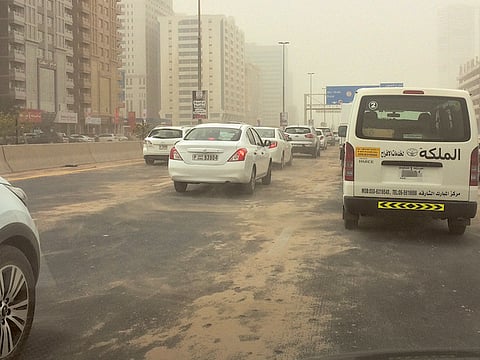
Dubai: As dusty weather sweeps across parts of the UAE, doctors are urging residents to take extra precautions to protect their health, especially during sandstorms and periods of poor air quality.
While most people experience temporary discomfort such as itchy eyes, sneezing, or a sore throat, prolonged exposure to fine dust particles can trigger asthma attacks, worsen allergies, and even lead to breathing difficulties in vulnerable groups.
Medical specialists have noted that children, older adults, pregnant women, and people living with asthma, chronic lung disease, or heart conditions face the highest risks.
Get updated faster and for FREE: Download the Gulf News app now - simply click here.
Limit outdoor exposure
According to Dr. Maria Thomas, specialist pulmonologist at Medcare Royal Hospital, one of the most effective ways to stay safe is to reduce exposure when dust levels are high.
"Whenever dust levels are high, it is sensible to limit unnecessary outdoor activities, particularly strenuous exercise, as increased breathing can draw more dust particles deep into the airways," Thomas told Gulf News.
If going outdoors is unavoidable, she has recommended wearing a well-fitted face mask, washing the face and hands after returning home, changing clothes to remove dust particles, and staying well hydrated.
Inside the home, keeping windows and doors closed and using air conditioning or air purifiers with suitable filters can help improve indoor air quality. Families should also ensure asthma inhalers and other prescribed medications are easily accessible.
Poor air quality
Highlighting the local impact of seasonal weather, Dr. Prabhu Prasad N.C., specialist pulmonologist at RAK Hospital, has bared that sandstorms and shamal winds can cause air quality to deteriorate within hours.
"We frequently see an increase in asthma exacerbations, allergic flare-ups, and sinus-related complaints in emergency and outpatient settings during prolonged dust episodes," shared Prasad.
He has advised residents to monitor the air quality index, avoid outdoor activities when air quality is poor, and use vehicles in recirculation mode with windows closed.
Prasad has mentioned that HEPA air purifiers can further reduce indoor dust levels, while showering and changing clothes after outdoor exposure helps remove fine particles that continue to irritate the airways indoors.
Allergies and asthma
Dust has been a common trigger for allergic rhinitis, sinusitis, and asthma.
Dr. Vishal Prasad, specialist ENT at Prime Medical Centre Ajman, has highlighted that dust particles irritate the nose, throat, and lungs, leading to sneezing, blocked noses, coughing, wheezing, and breathing difficulties.
He has advised patients with asthma and allergies to continue taking prescribed inhalers, antihistamines, and nasal sprays without interruption. Saline nasal rinses can also help clear dust from the nasal passages.
"Older adults, young children, and people with chronic lung disease should avoid unnecessary outdoor exposure," stated Prasad.
Know when symptoms become serious
Doctors have stressed that while mild irritation is common, worsening symptoms should never be ignored.
Dr. Amjed Almufty, consultant ENT and head and neck surgeon at Aster Hospital Qusais, has pointed out that persistent cough, chest tightness, or shortness of breath despite medication requires prompt medical attention.
"I recommend staying indoors as much as possible during heavy dust, keeping windows and doors closed, staying well hydrated, and wearing a well-fitted mask if you need to go outside," exclaimed Almufty.
Eye protection
The eyes have been particularly vulnerable because tiny dust particles can easily become trapped on the eye's surface.
Dr. Archana Sood, specialist ophthalmologist at RAK Hospital, has advised wearing wraparound sunglasses or protective goggles outdoors, especially during windy weather or when working in dusty environments.
"If dust gets into the eye, do not rub the eye. Blink several times to encourage natural tears to wash out the particle. Rinse the eye with clean water or sterile saline solution," explained Sood.
People who wear contact lenses should consider switching to glasses on particularly dusty days, as particles trapped beneath lenses can increase irritation.
Artificial tears may also help keep the eyes lubricated and flush away small particles.
When should you see a doctor
Doctors have recommended seeking medical advice immediately if eye irritation does not settle after rinsing or if symptoms such as persistent redness, significant eye pain, blurred or reduced vision, light sensitivity, swelling or discharge, a sensation that something remains stuck in the eye, breathing difficulties that worsen despite medication, or persistent wheezing, chest tightness, or severe shortness of breath develop.
Specialists have underscored that these symptoms could indicate a more serious eye injury, infection, or respiratory complication requiring prompt treatment.
Simple precautions
Although sandstorms cannot be avoided in the UAE, doctors have agreed that planning ahead can significantly reduce health risks.
Monitoring weather forecasts and air quality updates, limiting outdoor activities during dusty conditions, using masks when necessary, keeping indoor air clean, and continuing prescribed medications can help residents stay safe.
For families with children, elderly relatives, or members living with asthma or allergies, these simple preventive measures can make the difference between temporary discomfort and a medical emergency.