UAE: 5 rules to follow when driving in dusty conditions, sandstorm
Motorists urged to slow down and follow safety rules amid unstable UAE weather
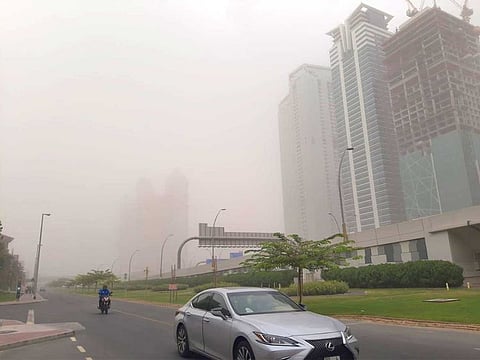
Dubai: Parts of the UAE are experiencing moderate rain, dust and reduced visibility as unstable weather conditions continue across the country, according to the latest forecast from the National Centre of Meteorology (NCM). An advisory, in place until 8pm, warns of fresh to strong winds that could stir up blowing dust and further reduce visibility, particularly in Dubai, Abu Dhabi and Sharjah.
With challenging road conditions expected, motorists are advised to adjust their driving and take extra precautions. Here are five essential rules to follow to stay safe on the roads during rainy and dusty weather.
1. Before you drive - check the car’s headlights
As dust storms can drastically reduce visibility, it is important to ensure that your car’s headlights are working.According to the RTA, before driving in dusty conditions, make sure all your vehicle’s headlights are functioning properly. Exercise caution while driving in such weather and slow down, especially when changing lanes, to protect your safety and that of other road users.
2. Slow down
Dust from vehicles coming towards you may hide unexpected hazards, such as other vehicles, a dip or a corner. Dust thrown on to windows can also stop you from being able to see. Slow down and keep a safe distance from the vehicle in front. Drive at a speed that is safe for the road conditions, because you may need longer time to come to a stop.
3. Do not take pictures or videos while driving
When driving in conditions of reduced visibility, it is also extremely important to not be distracted. In the past, authorities have advised motorists to stay focussed when driving, particularly when driving in conditions of reduced visibility.
4. Do not use your hazard lights
You should avoid using hazard lights when driving in low-visibility conditions. Instead, use your standard headlights and tail lights, slow down, and keep a safe distance from other vehicles. Using hazard lights in such situations can mislead other drivers and obscure your turn signals, making your actions on the road harder for them to anticipate.
5. Pull up the windows
Drivers are advised to keep their windows closed and use the air conditioning during dusty conditions. Doing so helps stop dust and sand from entering the vehicle, which can irritate the eyes and make breathing difficult, while the AC’s filters help maintain cleaner air inside the cabin.
Keeping the windows shut also limits distractions and enables motorists to concentrate on driving when visibility is already reduced.


