Can unstable weather make you sick? Common illnesses and how to avoid them
Colds, allergies, skin, gut issues, doctors explain how unstable weather affects health
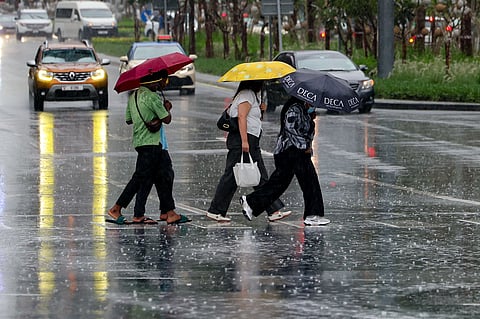
Dubai: It’s raining across parts of the UAE and though some enjoy the seldom downpour, unstable weather conditions can actually take a toll on your health. Doctors have noted that these changes often trigger common illnesses.
Gulf News has spoken to different medical experts to give light on these common illnesses, how inclement weather affects the body, and simple steps to stay healthy.
Stay updated: Get the latest faster by downloading the Gulf News app now - it's completely free. Click here for Apple or here for Android. You can also find it on the Huawei AppGallery.
What are the common health problems during unstable weather?
According to Dr. Abdalkarim Nassar, consultant pulmonary and internal medicine at Medcare Shaikh Saqr Al Qasimi Hospital in Sharjah, periods of rain, strong winds, dust, and fluctuating temperatures, can increase respiratory issues.
“These include colds, sore throats, cough, and sinus congestion, along with flu-like symptoms,” Nassar told Gulf News.
Similarly, Dr. Mohammed Zaquot, consultant internal medicine at Prime Hospital, has echoed these observations.
“During rainy and unstable weather, the most frequently reported health concerns are respiratory infections, including the common cold, flu, sore throat, and bronchitis. Sudden exposure to cooler and damp conditions can make individuals more susceptible to viral infections,” said Zaquot.
On the other hand, Dr. Sneha Susan Kuriachan, specialist internal medicine at Aster Clinic in Muteena, Deira, has bared that non-respiratory issues may also arise during these period.
“The most common illness due to this unstable weather are seasonal flu, common cold, sinus infection, conjunctivitis, chronic allergies, hay fever, and the more severe respiratory syncytial virus infection/pneumonia, skin infections like eczema, gastroenteritis, bronchitis, and seasonal affective disorders,” explained Kuriachan.
How does unstable weather affect the body?
Doctors have mentioned that at times, the body struggles to adapt to sudden environmental changes, most especially in a country where people frequently move between outdoors and air-conditioned indoor spaces.
“Unstable weather particularly when there is a mix of cooler temperatures, humidity, dust, and wind can place added stress on the body’s natural defence mechanisms,” stated Nassar.
Moreover, Zaquot has pointed out that viruses thrive in such conditions.
“Rainy conditions influence the body through multiple mechanisms. Increased humidity creates an environment where viruses and bacteria can survive and spread more easily,” said Zaquot.
Additionally, Kuriachan has highlighted that environmental factors play a role in infections.
“The change in temperature often leads to plants releasing pollens, which act as allergens, and certain bacteria and fungi emerging from dormancy. This poses a threat to the body and weakens the immune system,” shared Kuriachan.
How can you protect yourself?
Meanwhile, doctors have underscored that simple precautions can go a long way in preventing illness.
Nassar has advised that staying well hydrated and maintaining a balanced diet supports overall immunity. Dressing in layers also allows better adjustment to changing temperatures.
Zaquot has added that changing into dry clothes promptly if soaked in the rain is important, as well as keeping a good hand hygiene to prevent infections.
For her part, Kuriachan has warned against self-medication.
“Avoid antibiotics until medically justified by your treating doctor. Most illnesses are viral infections or allergies, hence, antibiotics only help if a secondary bacterial infection develops, which a doctor must diagnose.”
As the UAE experiences unstable weather conditions, doctors have said that awareness and simple preventive steps can help keep you healthy and safe. Staying prepared, maintaining good habits, and seeking medical advice when needed can help residents avoid falling sick during these times.