UAE rains 2026: How to deal with allergies, wheezing, and persistent coughing
Rainfall can temporarily change how allergens behave in the environment
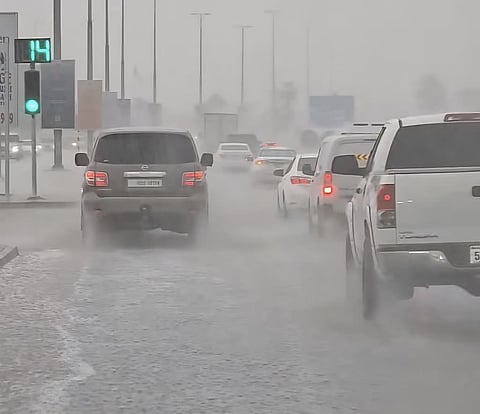
It's raining and pouring, and your allergies are back in full glory.
Sigh, yes, we get it.
It's time for the UAE rains: Cooler air, clearer skies and a brief pause from dust. Yet for people living with allergies and asthma, rainy spells can bring an unexpected surge in coughing, wheezing and throat irritation. According to ENT specialists, it’s not the rain itself but what it does to the air that makes breathing harder for some.
It's true: "Rainfall can temporarily change how allergens behave in the environment,” explains Dr Venus Rawat, ENT specialist at Medcare Hospital, Sharjah. “While light rain may wash away some pollutants, sudden or heavy rain can actually worsen respiratory symptoms in susceptible individuals.”
How rain changes the allergy landscape
According to the Asthma and Allergy Foundation of America (AAFA), rain can be both a relief and a trigger for people with allergies — depending on what they are allergic to.
For those sensitive to tree pollen, rain can bring temporary relief. Trees tend to release more pollen during drier periods, and low humidity allows pollen grains to stay light, airborne and travel long distances. When rain arrives, it weighs these particles down and washes them out of the air, briefly reducing exposure.
But the story changes with grass and weed pollen. During heavy downpours, moisture can cause these pollen grains to rupture into much smaller particles. These fragments spread more easily and are more likely to be inhaled deep into the airways, worsening allergy and asthma symptoms.
Rainy weather also creates ideal conditions for mould and dust mites. Warm, humid environments allow mould to flourish and dust mite populations to grow, intensifying symptoms for people with indoor and moisture-related allergies.
In short, rain doesn’t affect all allergies in the same way. For some, it clears the air; for others, it makes breathing harder.
While light rain may wash away some pollutants, sudden or heavy rain can actually worsen respiratory symptoms in susceptible individuals

Why rain affects some people more than others
Environmental triggers alone don’t explain why some people struggle far more than others during rainy spells.
Hay fever, characterised by persistent sneezing, coughing and congestion — has long been viewed as an overreaction of the immune system to pollen. However, emerging research suggests the response may also be influenced by the body’s microbiome.
“The gut–nose axis highlights how closely connected our body’s microbial systems are,” Toni Zink, medical director at Nabta Health Clinic, had earlier told Gulf News. “When the gut microbiome is diverse and healthy, it promotes a balanced immune response. When this balance is disrupted, the immune system can overreact to environmental triggers like pollen.”
Studies have found that people with hay fever often have less diverse gut and nasal microbiomes, which may make their airways more reactive when allergen exposure rises — including during rainy weather, when pollen fragments and mould spores increase.
Why coughing and wheezing appear without an infection
One of the most confusing aspects for patients is developing a cough or chest tightness despite having no cold or flu.
“Rain often brings higher humidity and sudden temperature changes,” Dr Rawat explains. “This can make the airways more reactive, leading to narrowing of the bronchial passages or increased mucus production.”
In people with sensitive airways, this reaction alone without any infection can trigger coughing, wheezing or throat irritation. Medical research has consistently shown that humid air can worsen airway hyper-responsiveness, particularly in those with asthma or allergic rhinitis.
Conditions most likely to flare up during rainy weather
Rainy spells tend to aggravate certain chronic respiratory and allergic conditions more than others:
Asthma, especially allergic or exercise-induced asthma
Allergic rhinitis (hay fever)
Chronic sinusitis
Post-nasal drip–related cough
“Moist environments support mould growth and increase allergen exposure,” says Dr Rawat. “At the same time, humidity can make breathing feel more laboured for people with already inflamed airways.”
Symptoms you shouldn’t ignore
While mild irritation may settle on its own, some warning signs need medical attention.
“Persistent coughing, wheezing, shortness of breath, chest tightness, or nasal congestion lasting more than a few days should not be ignored,” Dr Rawat advises. “Night-time symptoms or breathlessness that interferes with daily activities are especially concerning.”
She adds that people with known asthma or allergies should seek medical evaluation if they notice a sudden worsening of symptoms during or after rain.
How to protect your airways during UAE rains
Doctors recommend simple preventive steps during rainy periods:
Keep windows closed during and immediately after rainfall
Use air purifiers indoors if prone to allergies
Avoid outdoor exercise when humidity is high
Continue prescribed inhalers or allergy medication consistently
Steam inhalation: It soothes the airways
Strengthen your immunity with everyday foods and habits that support respiratory health:
Vitamin C: Eat citrus fruits like oranges and lemons, along with Indian gooseberry (amla), to support immune defence.
Zinc: Pumpkin seeds, chickpeas and cashews help maintain immune function and aid recovery.
Probiotics: Homemade curd and buttermilk — lassi over cola, any day — nourish gut health, which plays a key role in regulating immune responses.
Other tips:
Track allergy forecasts: Use weather reports to monitor pollen and mould levels, and limit outdoor time when counts are highest.
Know your triggers: If you have a pollen allergy, identify which pollens affect you most and check peak times accordingly.
Clean up after being outdoors: Shower, wash your hair, and change clothes to prevent pollen and allergens from spreading indoors.
Protect yourself outdoors: Wear a certified N95 mask when gardening, mowing the lawn or doing other outdoor chores.
Medicate proactively: Take prescribed allergy medication before heading outside, especially on high-allergen days.
Use air conditioning: Cooling and dehumidifying indoor air helps reduce airborne allergens.
Dry laundry indoors: Avoid hanging clothes outside during periods of high pollen or mould counts.
Control indoor dampness: Clean damp areas with detergent and water and address moisture build-up promptly.
Reduce indoor humidity: Use a dehumidifier to limit mould growth.
Keep interiors clean: Regular dusting and vacuuming help minimise allergen build-up indoors.
(Courtesy Medical News Today)
“Early management makes a big difference,” Dr Rawat notes. “Recognising rain-related triggers helps prevent symptoms from escalating into severe attacks.”

