Dr Itedal Albani and Dr Renuka Ramasamy
UAE winter 2026: How to stay safe during coldest days of Al Shabt
Warm clothes, hot water not enough? Doctors share key safety tips for vulnerable groups
Last updated:
4 MIN READ
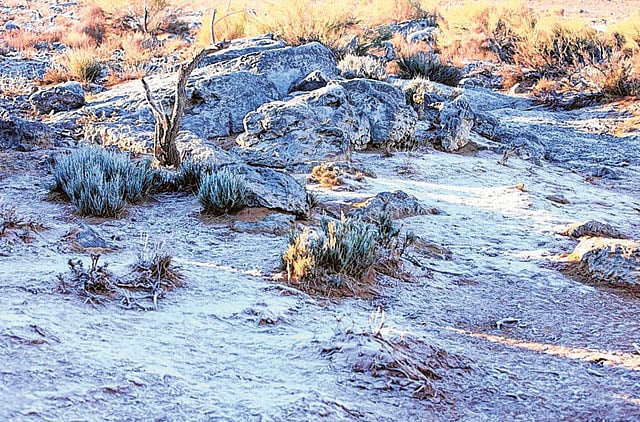
26 days of Al Shabt started on January 15, following early winter Murabba’aniya. The coldest stretch of winter 2026 is expected to end on February 10.
Photo courtesy: Ras Al Khaimah Police
Dubai: As the UAE has officially entered Al Shabt, the coldest stretch of winter running from January 15 to February 10, health experts are urging residents to take comprehensive precautions beyond simply wearing warm clothing and drinking hot beverages.
With temperatures dropping sharply during period, doctors warn that vulnerable groups including children, elderly people, pregnant women and those with chronic conditions need extra care to avoid health complications during what Gulf folklore describes as the season that "makes even the fox weep".
Dr Itedal Albani, general practitioner at Medcare Medical Centre, Dubai, says sudden temperature drops can catch people off guard, especially in a country where homes and routines are not designed for cold weather.
“Simple precautions make a big difference: dress in layers, particularly during early mornings and evenings; keep the head, neck, hands, and feet warm; stay well hydrated; and avoid sudden exposure to cold air," Dr Albani explained.
“Good hand hygiene, adequate rest at the first sign of symptoms, and flu vaccination are especially important, as respiratory infections tend to rise during cold snaps.”
Protecting vulnerable groups
According to Dr Renuka Ramasamy, specialist Family Medicine at International Modern Hospital Dubai, the most vulnerable groups during Al Shabt include elderly people, infants and young children, people with chronic illnesses such as asthma and other chronic lung diseases, heart disease and diabetes, pregnant women, outdoor workers, people with weak immune systems, and low-income or poorly housed individuals.
“In Gulf countries, the outdoor workers suffer during summer as well as during winter," Dr Ramasamy noted.
Dr Albani explained why these groups face higher risks: "Older adults may not sense the cold early and can become unwell quickly. Children lose body heat faster and have developing immune systems. People with conditions such as asthma, heart disease, or diabetes may see their symptoms worsen with cold exposure, increasing the risk of complications."
Essential health precautions
Both doctors emphasise that protection goes far beyond staying warm. “Avoid staying outdoors for long time especially at night and early morning. Avoid outdoor exercise,” advised Dr Ramasamy.
She reminded that maintaining immunity is crucial during this period. “Drink warm drinks, eat balanced diet, get enough sleep for boosting immunity.”
She also highlighted a safety concern for the motorists: “Drive slowly as cold weather can cause fog and slippery road. Use headlights.”
Preventing respiratory diseases is a top priority, as conditions such as influenza, flu and pneumonia become very common during cold weather. Dr Ramasamy recommends wearing masks, avoiding crowded places and avoiding close contact with sick individuals.
Specific advice for children
Children require particular attention during Al Shabt. Dr Albani advises that children should be dressed in layers, encouraged to eat well and drink fluids, and kept at home if unwell, even with mild symptoms.
Dr Ramasamy added specific guidance for parents of small kids: “Keep them well wrapped but avoid overheating. Use socks, caps and warm sleepwear. Avoid cold air exposure directly.”
For children with asthma and respiratory illnesses, she said: “Cover mouth and nose, keep prescribed inhalers ready as attacks can happen, avoid outdoor exercise."
Guidance for students
As school buses start very early in the UAE and buses are air-conditioned, Dr Ramasamy advises students should wear layers and keep jackets on. "Also switch off the AC," she recommended.
Other essential tips for students include washing hands regularly at school to avoid flu and cold, limiting outdoor activities at school, ensuring classrooms are adequately heated, and paying more attention to younger kids and children with medical conditions like asthma and heart diseases.
Dr Albani adds that students can protect their health by wearing appropriate clothing, avoiding iced drinks during cold weather, getting enough sleep, and maintaining a balanced diet. “Staying home when experiencing fever or flu-like symptoms is important, as early rest supports faster recovery and helps prevent spreading illness to others,” she said.
What parents should do
Parents play a crucial role in protecting children during Al Shabt. Dr Ramasamy advises parents to provide warm food and thermal boxes to school, make sure children wear warm school uniforms, jackets and socks, and keep children at home if they are sick.
The doctors urged parents to look out for symptoms like fever, cough and seek medical attention.
Dr Albani elaborated on warning signs parents should monitor—fever, persistent cough, breathing difficulty, poor appetite, or reduced fluid intake. “Medical advice should be sought urgently if there is a high or persistent fever, shortness of breath, worsening wheeze in children with asthma, excessive fatigue or any signs that symptoms are worsening rather than improving."
Elderly care tips
For older adults, Dr Albani stresses that indoor spaces should be kept warm especially at night while ensuring regular meals and medications are not missed.
Dr Ramasamy adds critical warning signs to monitor: “Monitor the signs of hypothermia [sudden dangerous drop of body temperature] like confusion, excessive sleepiness, slurred speech. Encourage regular medication and medical follow-up to prevent complications. Avoid air conditioning."
Special considerations
People with chronic conditions should take extra care to avoid cold exposure, monitor their symptoms closely, and seek advice early if there is any deterioration, according to Dr Albani.
For outdoor workers, Dr Ramasamy recommends taking frequent warm breaks, wearing thermal clothes and gloves if required, and adjusting working hours if possible.
Pregnant women should stay hydrated and warm while avoiding prolonged cold exposures, she advised.
Understanding Al Shabt
Al Shabt marks 26 days of peak winter chill in the UAE and other Gulf countries. According to Ibrahim Al Jarwan, Chairman of the Emirates Astronomical Society, the period is characterised by sharp temperature declines, particularly during its first half, when minimum temperatures often reach their lowest annual levels.
The term Shabt is believed to originate from Syriac, meaning “whipping,” a reference to the force of winds during this period. Traditional sayings suggest that while the earlier winter phase passed “without harm,” Shabt demands heavier food and stronger fuel.
The season's harsh conditions are vividly captured in Gulf folklore as "the month that rattles doors", highlighting its biting winds and sudden temperature swings that make outdoor conditions particularly challenging for residents.
Network Links
GN StoreAbout Gulf NewsTerms & ConditionsReach by GNSitemapContact usPrivacy PolicyGN FocusHave your sayWork with usAdvertise with usGulf News epaperPrinting Services
Download our app
© Al Nisr Publishing LLC 2026. All rights reserved.