Farida Al Ali
New rule: UAE targets more Emiratis for private healthcare jobs
Initiative requires half of Emiratisation quotas to be filled through specialised roles
Last updated:
3 MIN READ
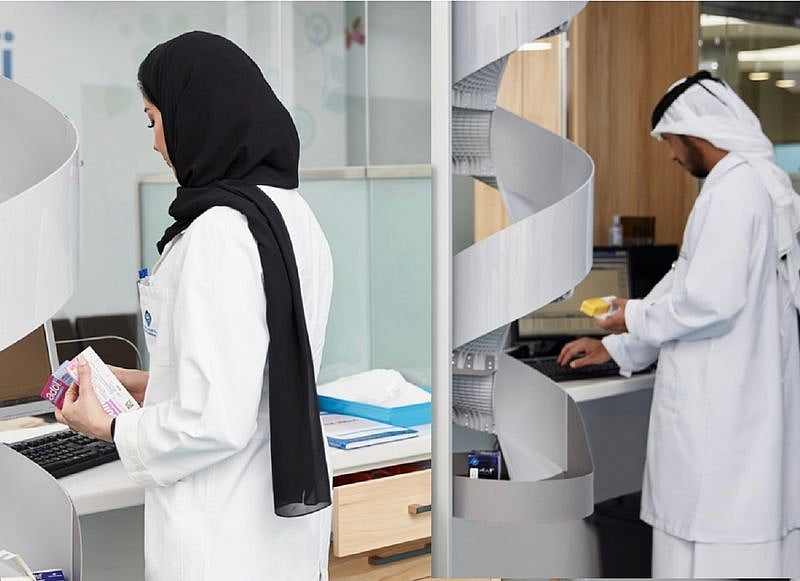
Companies with 50 or more employees are required to increase Emiratisation in skilled positions by 2 per cent annually. Photo for illustrative purpose only
Dubai: The UAE has introduced new Emiratisation requirements for the private healthcare sector, mandating that half of all annual Emiratisation targets be achieved through the hiring of Emiratis in specialised healthcare professions, in a move aimed at boosting national participation in one of the country’s fastest-growing industries.
The Ministry of Human Resources and Emiratisation (MoHRE), in coordination with the Ministry of Health and Prevention (MoHAP), announced that private healthcare facilities with 50 or more employees must now split their mandatory annual 2 per cent Emiratisation target equally between specialised healthcare roles and other skilled positions.
Review
The decision follows a comprehensive review of healthcare workforce needs and is designed to increase the number of Emirati doctors, nurses, pharmacists, therapists and other healthcare professionals working in the private sector.
Under existing regulations, companies with 50 or more employees are required to increase Emiratisation in skilled positions by 2 per cent annually, with half of the target to be met during the first six months of the year and the remainder by year-end. The new amendment retains the overall target but changes the composition of the jobs allocated to Emirati nationals.
Farida Al Ali, Assistant Undersecretary of National Talents at MoHRE, said the move reflects efforts to empower Emiratis and expand their presence in healthcare careers, while supporting the long-term sustainability and quality of private healthcare services.
She noted that specialised healthcare professions offer strong prospects for career development, stability and job security, making them attractive opportunities for UAE nationals. Al Ali urged healthcare providers to assess their workforce plans and ensure compliance with the revised targets, particularly those that have already achieved the first-half Emiratisation requirement for 2026.
Vacancies
She also encouraged healthcare facilities to advertise vacancies through the Nafis platform, which connects employers with qualified Emirati job seekers, and to ensure recruitment aligns with approved healthcare professions.
Commenting on the initiative, Abdullah Ahli, Acting Assistant Undersecretary for the Support Services Sector at MoHAP, said the measure reflects a unified government effort to build a sustainable healthcare ecosystem driven by highly qualified national talent.
Abdullah Ahli
He said allocating 50 per cent of Emiratisation targets to healthcare-specific roles forms part of a broader strategy to increase Emirati participation across the healthcare workforce while creating rewarding career opportunities in a sector known for its stability and growth potential.
Compliance
The ministry said compliance with the new requirement will be assessed beginning in 2027. Private healthcare establishments that fail to maintain an equal split between Emiratis employed in specialised healthcare and other skilled roles will face financial penalties.
The announcement comes as Emirati participation in private healthcare continues to grow. By the end of 2025, more than 8,800 Emirati professionals were employed across private healthcare facilities nationwide, with women accounting for 82 per cent of the workforce.
Officials said the latest measure supports the UAE leadership’s vision of expanding Emiratisation opportunities and aligns with the extension of the Nafis programme until 2040, reinforcing efforts to enhance the competitiveness of Emirati talent and increase their contribution to the country’s economic and social development.
Network Links
GN StoreAbout Gulf NewsTerms & ConditionsReach by GNSitemapContact usPrivacy PolicyGN FocusHave your sayWork with usAdvertise with usGulf News epaperPrinting Services
Download our app
© Al Nisr Publishing LLC 2026. All rights reserved.