UAE launches $3 million initiative to protect dugongs across five nations
How UAE's young conservationists are transforming marine protection across Asia
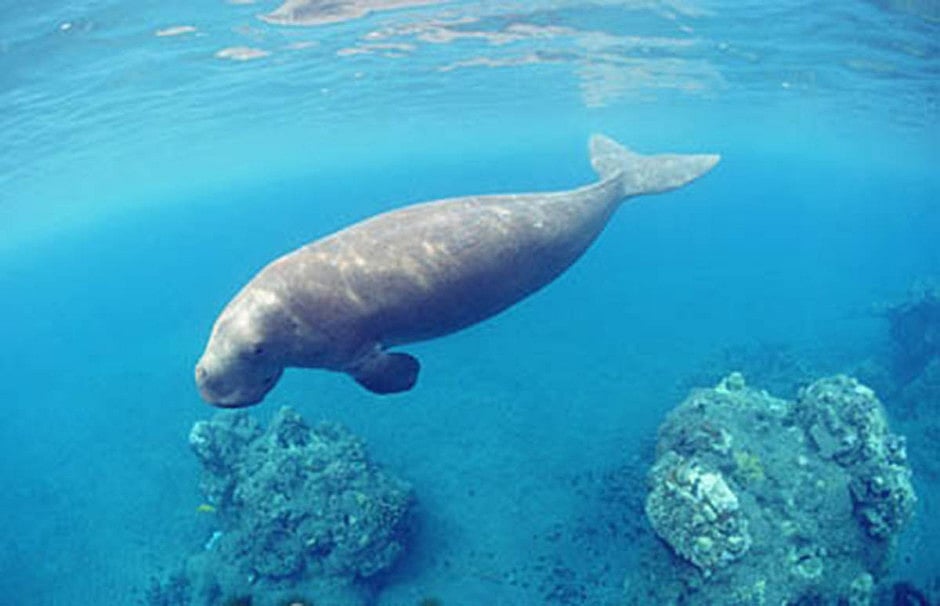
Dubai: A significant collaborative effort between the Mohamed bin Zayed Species Conservation Fund and Abu Dhabi's Mubadala has been announced, marking an ambitious expansion of environmental protection efforts across multiple regions.
The two-year collaboration will channel $3 million into various conservation programs, with a particular emphasis on protecting dugongs and their seagrass ecosystems. This initiative spans five nations: the United Arab Emirates, Indonesia, Malaysia, Timor-Leste, and Thailand.
Marine conservation efforts
The centerpiece of this partnership addresses the urgent need to protect dugong populations and their critical seagrass habitats. According to Razan Khalifa Al Mubarak, Executive Managing Director of the Fund, this work extends beyond simply ensuring species survival. The initiative recognizes seagrass meadows as important carbon storage systems while promoting innovative approaches to managing both marine and terrestrial resources.
This program builds upon foundations established by the GEF Dugong & Seagrass Conservation Project, which the Fund directed between 2015 and 2019. By including several nations that participated in the earlier project, the partnership strengthens international conservation relationships while simultaneously improving economic opportunities and biodiversity protection for coastal communities in the participating regions.
Developing local expertise
Within the UAE, the partnership introduces the Conservation Leaders programme designed to nurture emerging conservation professionals. This domestic initiative creates funding pathways for locally-based conservation work, following a model the Mohamed bin Zayed Species Conservation Fund has successfully operated globally for sixteen years.
The programme welcomes applications from people of all backgrounds working within the UAE, including students and experienced practitioners. Priority consideration goes to initiatives focused on fieldwork across diverse areas: hands-on conservation activities, scientific research and technology applications, strategic planning, policy development, community education, storytelling, and nature-based solutions.
A joint review panel from both organisations will evaluate proposals, with plans to award between six and ten grants annually.
Continuing international projects
Two conservation programs from the partnership's initial phase will receive extended funding. In Indonesia, work continues on protecting Sumatran tigers and smaller wild cat species, building on comprehensive camera trap research conducted across Sumatra. This project has already achieved measurable success in reducing destructive activities including snaring, poaching, and unauthorized logging.
Thailand's conservation efforts focus on Siamese crocodile populations and two otter species inhabiting the Petchburi River within Kaeng Krachan National Park. Continued support will enable local partners to pursue more ambitious conservation objectives.
Partnership impact
Homaid Al Shimmari, Deputy Group CEO at Mubadala, emphasised that this initiative demonstrates a strong dedication to developing local talent while forging meaningful partnerships for planetary protection. By supporting young conservation professionals and investing in species like the dugong, the partnership preserves biodiversity while establishing the UAE as a leader in environmental responsibility.
This marks the second collaboration between these organisations. Their first three-year partnership, which concluded in 2024, produced remarkable results: more than 300 expeditions across five countries, eleven projects implemented at sixty-three locations, and support for eleven endangered species. Local communities benefited from enhanced access to healthcare, education, employment, ecotourism opportunities, and alternative income sources. The partnership expanded scientific understanding, raised public awareness among thousands of people, and supported communities living in critical biodiversity areas.
Al Mubarak expressed enthusiasm about the possibilities ahead, both within the UAE and internationally, as the partnership enters this new phase.
Network Links
GN StoreDownload our app
© Al Nisr Publishing LLC 2026. All rights reserved.