Dubai's Geminids meteor shower 2025: Watch up to 150 shooting stars per hour
Al Qudra Desert to host two-night event by DAG with telescopes and expert guidance
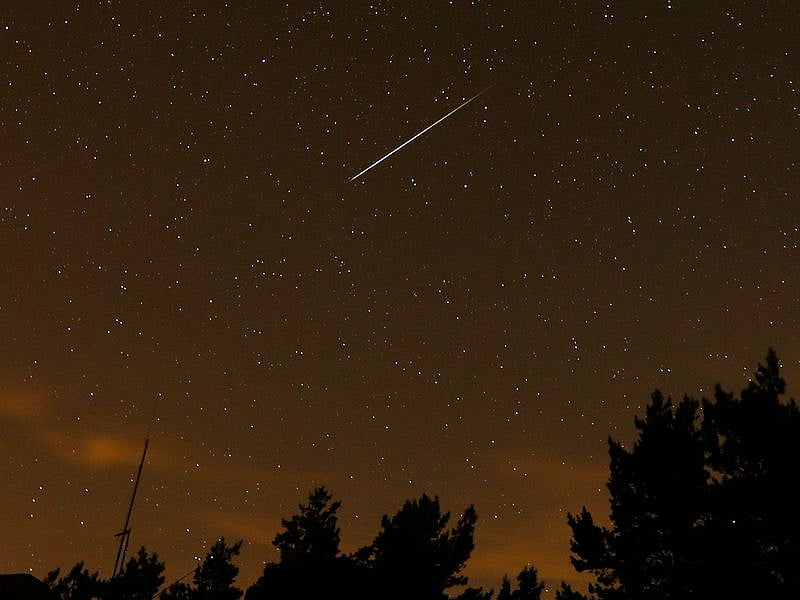
Dubai: Stargazers in the UAE are gearing up for one of nature's most spectacular celestial displays as the Geminids meteor shower reaches its peak this weekend, with two dedicated viewing events scheduled in Dubai.
The 2025 edition of the Geminids promises exceptional viewing conditions, with minimal moonlight interference creating darker skies that will allow observers to witness up to 150 meteors streaking across the heavens every hour under perfect conditions.
The Dubai Astronomy Group is hosting special stargazing sessions at Al Qudra Desert on both Friday and Saturday (December 12 and 13) nights from 10pm to 2am.
The event promises to offer astronomy enthusiasts and families a rare opportunity to experience in what is described as “one of the year's most reliable and breathtaking meteor showers” in the serene desert landscape, away from urban light pollution, alongside expert guidance and telescope observations.
Peak viewing window this weekend
Active from December 4 to 20, the Geminids will reach their spectacular peak on the nights of December 13 and 14. What sets this year apart is the absence of major moonlight interference, as the Moon rises very late in the night, leaving skies darker than usual.
"This makes 2025 one of the best Geminid viewing years," said Hasan Al Hariri, CEO of Dubai Astronomy Group, who emphasises that no special equipment is needed to enjoy the meteor shower.
The shower's name derives from the constellation Gemini, as meteors appear to radiate from near the bright star Castor. However, their true origin holds a fascinating distinction. Unlike most meteor showers that originate from comets, the Geminids come from the rocky asteroid 3200 Phaethon, making them one of the very few major meteor showers not born from a comet.
Understanding the cosmic display
Meteors form when small pieces of cosmic debris travelling at speeds of up to 70 kilometres per second enter Earth's atmosphere. As they burn up, they create bright streaks of light across the night sky, commonly known as shooting stars.
The Geminids often produce over 150 meteors per hour at their peak under perfect dark-sky conditions. While real city environments reduce visible numbers, the shower remains one of the brightest and most active of the year.
Al Hariri advises viewers to find a dark location away from city lights, bring warm clothing as December nights can get very cold in the desert, lie back comfortably and look up at the sky, and give their eyes 15 to 20 minutes to adapt to the darkness.
"Meteors can appear anywhere in the sky, not just in the Gemini constellation. The darker your surroundings, the more meteors you will see,” he noted.
Desert viewing experience
Both Geminids events at Al Qudra Desert are designed to accommodate large public interest while ensuring a quality learning and observing experience.
Each night will feature telescope observation of Jupiter, Saturn, and deep sky objects like galaxies and nebulae, sky mapping and constellation tours using laser pointers, expert explanations about meteors, the night sky, and the science behind the Geminids, and a family-friendly, peaceful environment in the desert.
Tickets for the event are priced at Dh175 to 200, with bookings available through the Al Thuraya Astronomy Centre website.
Network Links
GN StoreDownload our app
© Al Nisr Publishing LLC 2026. All rights reserved.