Emirati women dominate education, healthcare and leadership roles in private sector
MoHRE data shows strong female participation as Emiratisation gains momentum
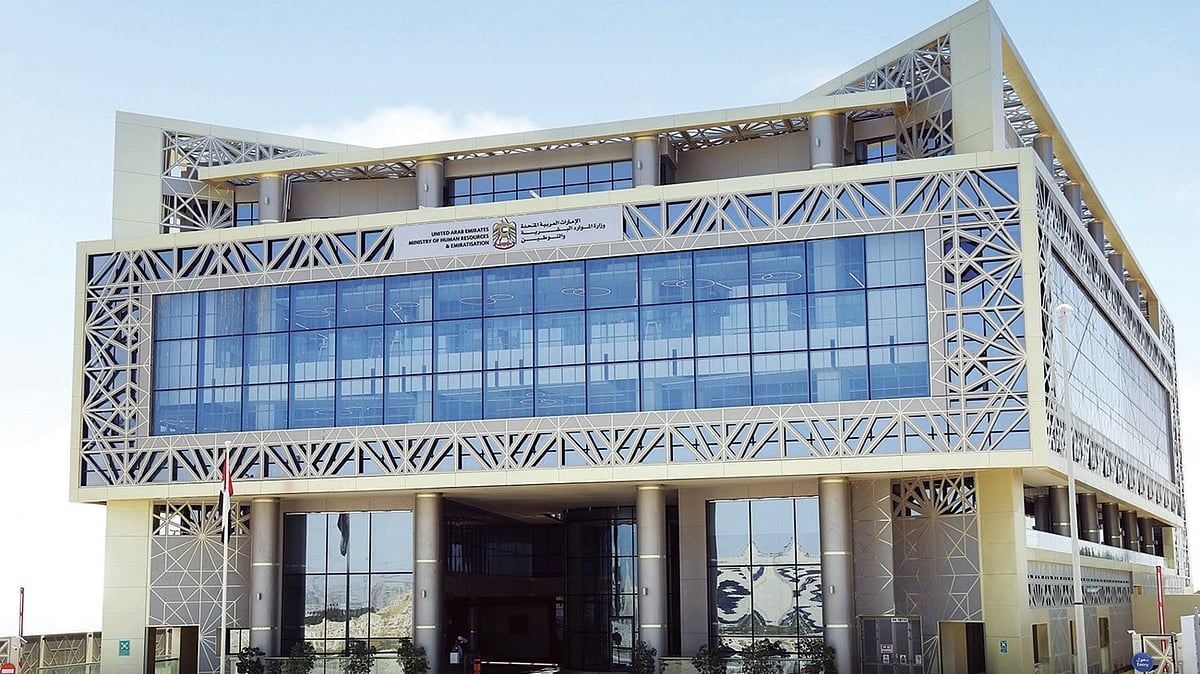
The UAE’s private sector is witnessing a sharp rise in Emirati participation, with women playing a leading role across education, healthcare and leadership positions.
According to the Ministry of Human Resources and Emiratisation (MoHRE), the number of Emirati citizens employed in the private sector reached 176,125 as of January 2026, since the launch of the Nafis programme. The growth highlights the impact of national Emiratisation policies and stronger private-sector engagement, supported by an integrated legislative and regulatory framework aimed at sustainable employment and talent competitiveness.
Recent figures from the Labour Market Observatory also showed that 31,663 private-sector establishments supported Emiratisation by the end of 2025, creating genuine employment opportunities for Emirati citizens. The progress has been driven by partnerships with the Emirati Talent Competitiveness Council (Nafis) and targeted development programmes designed to prepare nationals for long-term career paths.
Education sector
Emirati women accounted for 94.1% of all Emiratis employed in private-sector education roles in 2025, underlining their central role in strengthening the education system and developing national human capital.
Healthcare sector
In healthcare, 91.2% of Emiratis working in private-sector health professions in 2025 were women, reflecting the growing presence of national female talent in sectors that directly impact quality of life.
Leadership positions
Women held 54.9% of leadership roles occupied by Emiratis in the private sector, including legislators, managers and business executives, signalling continued progress in decision-making and senior management.
In addition, 71.2% of Emiratis working in technical and specialised private-sector professions in 2025 were women, pointing to expanding participation in high-value and specialised roles.
71% of Emirati women in the private sector are under 35
The data showed that 71.1% of Emirati women employed in the private sector in 2025 were aged 35 and under, highlighting the success of early-career attraction policies and efforts to encourage female graduates to enter the private labour market.
Emiratisation targets for mid-sized companies
From 2024, private-sector companies employing 20 to 49 workers in selected economic activities are required to meet Emiratisation targets by appointing at least one Emirati in 2024 and another in 2025.
The policy applies to establishments operating across 14 key economic sectors, including:
Information and communications
Financial and insurance activities
Real estate
Professional, scientific and technical services
Administrative and support services
Education
Human health and social work
Arts and entertainment
Mining and quarrying
Manufacturing
Construction
Wholesale and retail trade
Transportation and storage
Accommodation and hospitality services
Financial penalties for non-compliance
Private-sector establishments that fail to meet Emiratisation requirements will face annual financial contributions. Companies will be required to pay Dh96,000 for each Emirati not appointed from January 2025 for the year 2024.
A higher contribution of Dh108,000 will apply from January 2026 if companies fail to appoint two Emirati citizens in 2025.
Network Links
GN StoreDownload our app
© Al Nisr Publishing LLC 2026. All rights reserved.