(Photo used for illustrative purposes)
‘I’m going to fail’: Doctors share tips for UAE students coping with CBSE exam stress
Recognising warning signs early is key, say mental health and paediatric specialists
Last updated:
4 MIN READ
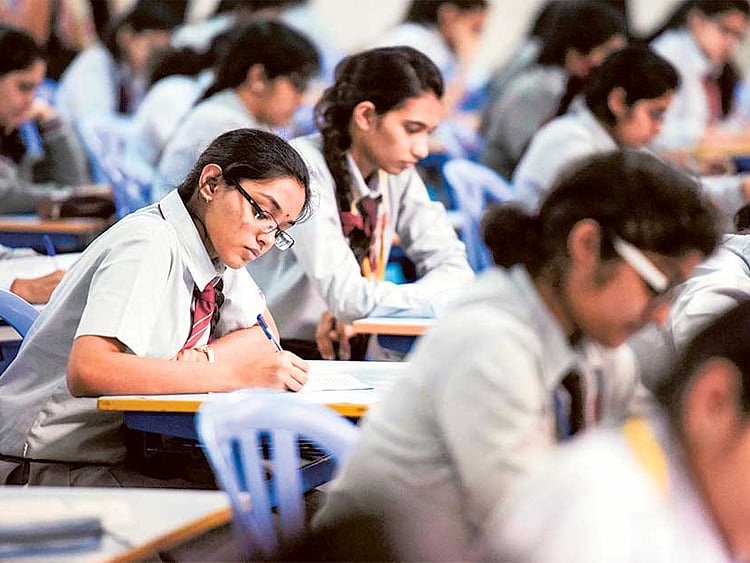
Students discuss the CBSE Class 10 question paper with their teacher. (Photo for representation purposes only)
Gulf News Archives
As CBSE board exams draw near, doctors in the UAE say a growing number of students can be struggling with intense anxiety, often expressing fears like “I’m going to fail.” While exam stress is common, mental health and paediatric specialists warn it should not be ignored, particularly when students feel overwhelmed or hopeless.
Increasingly, they note, exam pressure is affecting both mental and physical health, making early support from parents, schools and students themselves essential.
Experts say recognising warning signs early, adopting structured routines, and balancing study with rest and hobbies can help students navigate exams with confidence.
Recognising exam stress early
“Exams are a critical part of academic life, but for many students, they are also a major source of stress and anxiety,” Dr Rouba Manachi, Specialist Paediatrician at Prime Hospital, Al Garhoud, highlighted.
According to Dr Salman Kareem, Specialist Psychiatry at Aster Clinic in Jumeirah Lake Towers and Discovery Gardens, exam stress often shows up through clear physical and emotional signals.
“Watch for physical signs like frequent headaches, stomach aches, changes in appetite, trouble sleeping or constant fatigue,” Dr Kareem said. “Emotionally, parents might notice irritability, sudden mood swings, excessive worrying, withdrawal from family and friends, or feelings of hopelessness. Some students become unusually tearful or express thoughts like ‘I can't do this’ or ‘I'm going to fail’.”
Practical ways to manage pressure
Both doctors highlighted the importance of balance rather than relentless studying.
Dr Kareem recommended structured routines that allow the brain to rest.
“Don't study for hours on end. Use the 50-10 rule – study for 50 minutes, then take a 10-minute break to stretch or walk around,” he said.
Creating a realistic schedule is equally important.
“Plan your day, including study time, meals, exercise, and relaxation. Don't try to study every waking hour,” Dr Kareem underlined.
Dr Manachi advises students to use active learning techniques instead of passive cramming.
“Mind maps, flashcards, group discussions or teaching others improve retention and reduce passive cramming,” she said.
She also encourages students to protect time for hobbies.
“Even 20 minutes of music, sketching or reading daily can refresh the mind.”
Why sleep, diet and screen time matter
Lifestyle habits play a major role in how students cope with pressure, doctors said.
“Teenagers need eight to 10 hours of sleep,” Dr Kareem noted.
“Sleep deprivation impairs memory, concentration and emotional regulation – exactly what students need during exams. All-nighters usually do more harm than good.”
Regular, nutritious meals help stabilise mood and energy levels, while excessive caffeine and energy drinks can worsen anxiety and disrupt sleep.
Screen time is another concern.
“Endless scrolling on social media increases anxiety and wastes valuable time. Set boundaries – perhaps no phones one hour before bed and during study blocks,” Dr Kareem said.
How parents, teachers can support
Parents and teachers are often the first to notice changes in a student’s behaviour.
“Warning signs include sudden mood changes, avoidance of studies, excessive fear of exams, or frequent physical complaints,” Dr Kareem said. “Listen more than you lecture – create safe spaces where students can express their worries without judgment.”
Avoid comparing your child to others
Dr Manachi stressed that comparisons – whether with siblings or classmates – can intensify stress.
“Offering reassurance, not pressure, being emotionally present, and celebrating effort rather than results help children feel supported.”
Teachers, Dr Manachi highlighted, can play a role by keeping expectations realistic during exam periods, maintaining a calm classroom atmosphere and guiding students to seek help when needed.
When to seek professional help
Doctors urge parents not to delay seeking medical advice if symptoms escalate.
“It’s time to consult a professional if a student experiences panic attacks, persistent sadness, talks about hopelessness or self-harm, or is unable to sleep or function due to anxiety,” Dr Manachi said.
Effective interventions may include paediatric evaluation to rule out medical causes, cognitive behavioural therapy (CBT), school counselling, family therapy and, in some cases, short-term medication under specialist supervision.
Dr Kareem noted that early support can prevent long-term emotional difficulties and help students approach exams with confidence and balance.
“Mental health professionals can help students learn coping skills through counselling, relaxation techniques, and cognitive strategies to manage anxiety,” he added.
Sign up for the Daily Briefing
Get the latest news and updates straight to your inbox
Network Links
GN StoreAbout Gulf NewsTerms & ConditionsReach by GNSitemapContact usPrivacy PolicyGN FocusHave your sayWork with usAdvertise with usGulf News epaperPrinting Services
Download our app
© Al Nisr Publishing LLC 2026. All rights reserved.