New Meta smart glasses undercut rivals as company bets big on AI wearables
Meta’s new cheaper AI glasses: Price, availability, where to buy and what’s changed
Meta’s $299 AI glasses drop Ray-Ban branding to push in-house design
Last updated:
4 MIN READ
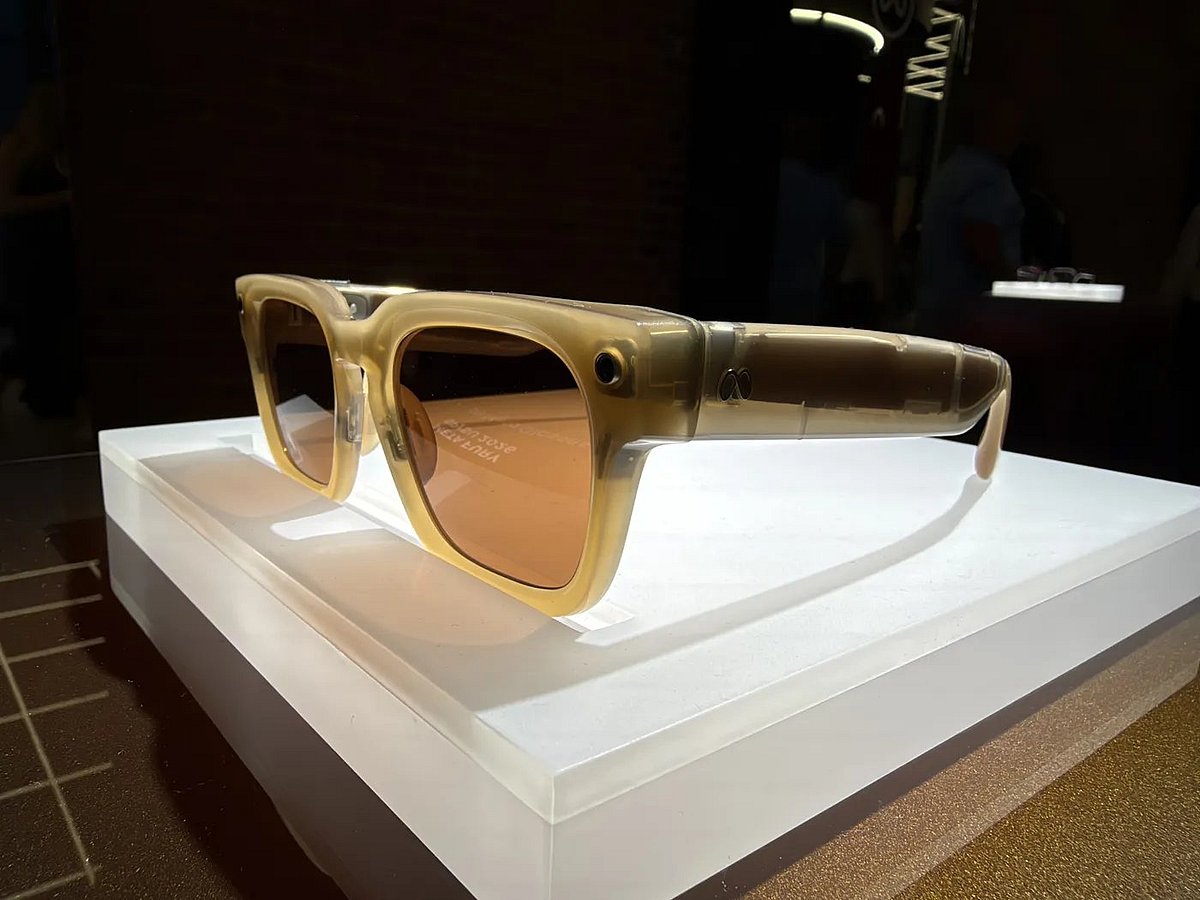
Screen-free Meta Glasses bring AI assistant, camera and open-ear audio to wearers
Meta has unveiled its latest generation of smart glasses priced at $299, marking a cheaper entry point into its growing artificial intelligence wearables lineup and undercutting its previous Ray-Ban Meta models.
The new device is part of the company’s broader strategy to scale AI-powered hardware, even as competition intensifies in the smart eyewear market.
Get updated faster and for FREE: Download the Gulf News app now - simply click here.
Ray-Ban branding dropped as Meta takes design control
The newly launched Meta Glasses are developed in partnership with EssilorLuxottica, the parent company of Ray-Ban, but for the first time they do not carry Ray-Ban or Oakley branding.
Meta said the move reflects a shift toward greater in-house design identity, while continuing to rely on EssilorLuxottica for lenses and manufacturing.
AI-powered features without a screen
The glasses do not include a display but come equipped with a built-in camera, open-ear speakers and Meta AI integration.
Users can use voice commands to:
Translate languages in real time
Get contextual answers about surroundings
Capture photos and record videos hands-free
Access calls, messages and music playback
Meta said the product is designed as a step towards more advanced augmented reality glasses with in-lens displays in the future.
New designs and personalisation options
The glasses are being launched in three frame styles: Meta Adventurer, Meta Fury, and a slim oval design branded as Meta Glasses by Kylie.
They come in multiple colours and lens options, including sun, clear, polarised and Transitions lenses, with support for prescription fittings.
The company said the goal is to position the product as both a fashion accessory and an AI-powered device.
Meta launches $299 AI smart glasses without Ray-Ban branding, targeting mass-market wearable computing
Price, availability and where to buy
The Meta Glasses are priced at $299, making them at least $80 cheaper than the company’s entry-level second-generation Ray-Ban Meta smart glasses.
They are available in the US, UK, Canada, Australia and several European markets including France, Germany, Italy and Spain.
Customers can buy them via Meta.com, Amazon, Best Buy, LensCrafters, Sunglass Hut, and other authorised retailers, as well as Meta Lab stores for in-person trials.
AI features and everyday use cases
Powered by Meta AI, the glasses enable hands-free interaction through voice commands and real-time visual understanding.
Key capabilities include:
Sports scores, news updates and local recommendations
Calendar, reminders and daily task management
Live translation in more than 20 languages
Hands-free photo and video capture up to 3K resolution
Music, calls and messaging via open-ear audio
Meta said the system is designed to respond based on what users are seeing in real time.
Meta targets everyday use with fashion-forward AI eyewear and long battery life
Software upgrades and future updates
Meta also outlined upcoming enhancements, including:
Dynamic Photo: captures multiple frames and selects the best shot
Pedestrian navigation: turn-by-turn walking directions for screen-free glasses
Expanded live translation support in 14 additional languages, including Hindi, Japanese, Mandarin and Korean
The company said regular updates will expand functionality over time.
Battery life, design and accessories
The glasses offer:
Over 8 hours of battery life per charge
Charging case with up to 40 hours additional power
New charging stand for desktop use
Adjustable nose pads and custom fit options
Open-ear audio for calls, music and podcasts
Meta said the device is designed for all-day use without requiring a smartphone in hand.
Zuckerberg doubles down on AI wearables
Meta has struggled to scale its virtual reality ambitions beyond gaming, but smart glasses have emerged as a stronger consumer product line as the company pivots toward artificial intelligence hardware.
Executives say the new devices are part of a long-term strategy to build a computing platform centred on AI assistants embedded in everyday wearables.
Growing competition in smart eyewear
Competition in the smart glasses market is accelerating.
Google is developing AI-enabled eyewear with Warby Parker using its Gemini model, while Snap has launched its high-end Specs glasses priced at $2,195, positioning them as a potential smartphone alternative.
Despite rising competition, Meta and EssilorLuxottica continue to dominate the segment, holding an estimated majority share with millions of units sold since 2021.
Meta’s long-term AI hardware push
Meta executives said smart glasses are central to the company’s shift toward AI-first computing, as virtual reality growth remains limited outside gaming.
The strategy focuses on building wearable devices that embed AI assistants into everyday life, reducing reliance on smartphones.
What to know about Meta smart glasses
What is the price?
$299.
Where are they available?
US, UK, Canada, Australia and several European markets via Meta.com and major retailers.
Do they have a screen?
No, they are screen-free and rely on audio, camera and voice AI.
How long does the battery last?
Up to 8 hours per charge, plus 40 hours with the charging case.
Do they support prescription lenses?
Yes, with single vision and progressive lens options within supported ranges.
Which languages does live translation support?
More than 20 languages, including English, Hindi, Arabic, Japanese and Mandarin.
Network Links
GN StoreAbout Gulf NewsTerms & ConditionsReach by GNSitemapContact usPrivacy PolicyGN FocusHave your sayWork with usAdvertise with usGulf News epaperPrinting Services
Download our app
© Al Nisr Publishing LLC 2026. All rights reserved.