Google’s first AI glasses aim to replace your phone — arriving 2026
Audio-first, display-equipped smart glasses could turn glasses into everyday assistants
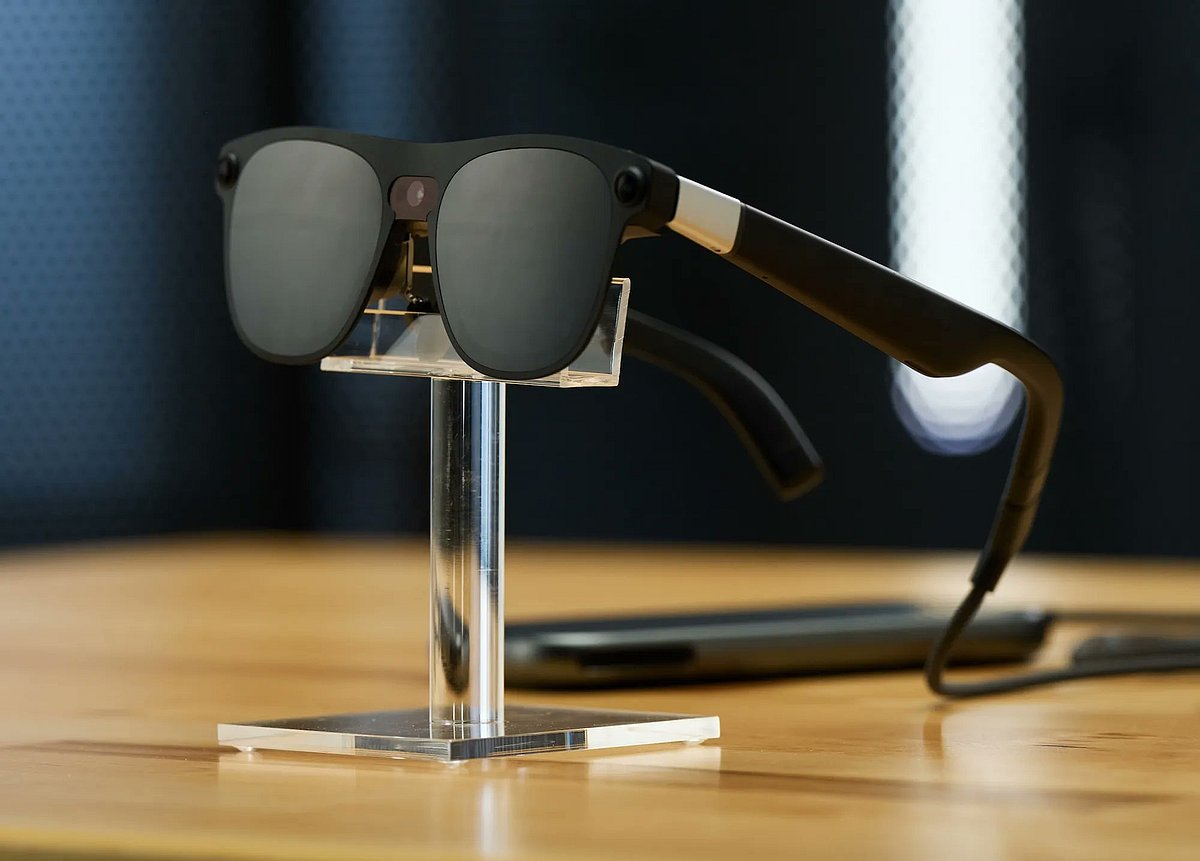
Google is preparing to launch its first generation of AI-powered smart glasses in 2026 — a move that could reshape wearable computing by blending artificial intelligence, augmented reality, and everyday eyewear.
The new glasses — born from collaborations with Warby Parker, Gentle Monster and Samsung — will reportedly come in two variants. One model prioritises a “screen-free” experience: audio-first, with built-in cameras, microphones and speakers to let the user interact with Google’s AI assistant Gemini hands-free. The other version will include an in-lens display, giving wearers discreet access to navigation prompts, translation captions, contextual notifications and more — all without pulling out a phone.
Google’s return to smart eyewear marks a significant shift. After the earlier stumble of Google Glass over a decade ago — criticised for bulky hardware and privacy concerns — the company now aims for a subtler design, with Android XR as the underlying platform and modern AI helping deliver real-world utility.
Analysts and industry watchers say the timing is strategic: the market for AI/AR glasses is heating up, with estimates showing rising interest in wearable smart eyewear as consumers seek alternatives to constantly reaching for smartphones.
If successful, Google’s AI glasses could accelerate a shift from screens in hands to information in sight — making navigation, real-time language translation, “always-on” assistance, and even photography as natural as blinking. But like all wearables, they will face scrutiny around privacy, usability and battery life.
Network Links
GN StoreDownload our app
© Al Nisr Publishing LLC 2026. All rights reserved.