Apple prepares iOS 27 rollout: Siri upgrade, camera updates, AI push and release timeline
iOS 27 prioritises performance improvements and battery efficiency
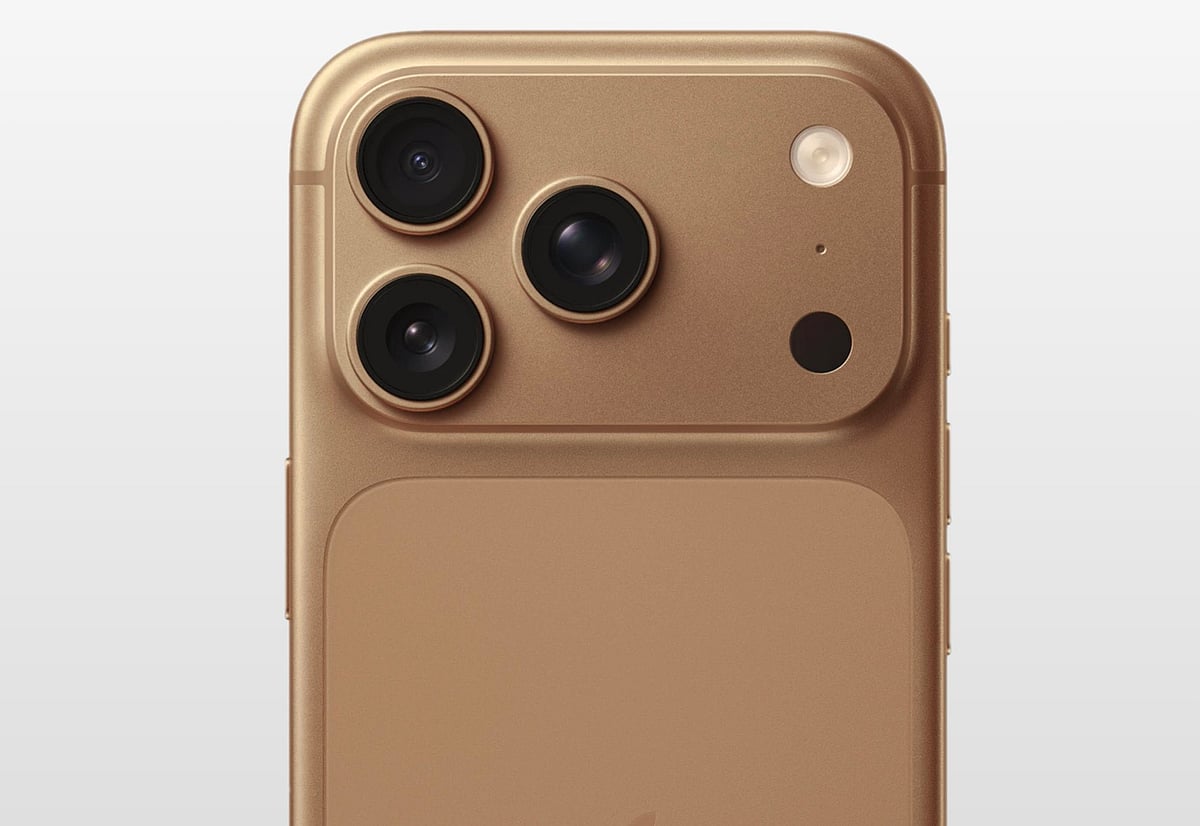
Apple’s next iPhone software update appears to be shaping up around refinement rather than reinvention, with early reports suggesting iOS 27 will prioritise performance, efficiency, and deeper AI integration across the system.
Instead of introducing another major visual overhaul like the 'Liquid Glass' design seen in iOS 26, the focus this time is expected to shift toward smoother responsiveness, improved battery life, and broader system-wide intelligence, according to Bloomberg.
The update is also expected to arrive as part of a wider software refresh across Apple’s ecosystem, including iPadOS, macOS, watchOS, tvOS, and visionOS.
Early details compiled from industry reporting and leaks, including MacWorld, point to a clearer picture of Apple’s direction for iOS 27 ahead of its official unveiling at WWDC 2026.
A staged rollout following Apple’s usual release cycle
Apple is expected to follow its standard development timeline for iOS 27:
Developer beta: released immediately after the WWDC keynote
Public beta: expected in July 2026
Final release: scheduled for September 2026
Siri becomes the centrepiece of Apple’s AI strategy
The most significant change in iOS 27 appears to be a rebuilt version of Siri. Reports suggest Apple is integrating generative AI capabilities into the assistant through its partnership with Google’s Gemini models.
This shift is expected to move Siri from a command-based tool to a more conversational system capable of handling contextual, multi-step interactions.
Siri redesign changes how users interact with iPhone
The assistant’s interface is also expected to change significantly. The traditional bottom-screen orb may be replaced by a Dynamic Island-based experience with new animations aligned to WWDC 2026 branding.
Apple is also reportedly testing a new “Search or Ask” interface, accessed via a downward swipe from the top of the screen. This unified hub would combine Siri suggestions, search functions, recent activity, notes, and app shortcuts.
A standalone Siri app enters the picture
For the first time, Siri is expected to exist as a standalone application. The move positions it closer to AI chatbot platforms such as ChatGPT and Claude.
The app is reportedly designed to support longer conversations, file and image uploads, and additional privacy features, including auto-deleting chat history.
Memory and proactive intelligence features
A key upgrade in iOS 27 is expected to be Siri’s ability to retain conversational context. This would allow the assistant to reference past interactions and provide proactive suggestions.
For example, Siri could use calendar data and previous behaviour to suggest leaving early for travel based on expected traffic conditions.
AI search enters Apple’s ecosystem
Apple is also expected to introduce an AI-powered web search experience within iOS 27. The feature is designed to offer conversational search results and is seen as a direct competitor to emerging platforms such as Perplexity.
iOS 27 expected to address iOS 26 complaints
According to MacWorld, iOS 27 is expected to take a more corrective approach following mixed feedback on iOS 26. While Apple has not officially acknowledged widespread issues, reports and user feedback have pointed to concerns around performance, including laggy animations, occasional system crashes, overheating on some devices, and increased battery drain linked to the visually heavy “Liquid Glass” interface.
The website also noted that some users have also reported bugs affecting core functions such as the keyboard, Face ID responsiveness, and general interface stability. At the same time, questions have been raised about the pace of Apple’s “Apple Intelligence” rollout, with certain features demonstrated earlier yet to fully materialise for users.
Against this backdrop, iOS 27 is expected to prioritise stability and optimisation over major design changes. Early reports suggest Apple is focusing on smoother performance, improved efficiency, and a more consistent user experience across the system.
A key area of attention is expected to be Siri, which is reportedly set for a significant upgrade as part of Apple’s broader AI strategy. The overhaul is seen as central to improving the company’s generative AI capabilities and addressing gaps in its current feature set.
Overall, iOS 27 is being positioned as a refinement update aimed at improving reliability and addressing concerns raised after iOS 26.
iOS 27 built with foldable iPhone support in mind
According to Bloomberg, iOS 27 has been developed with Apple’s first foldable iPhone in mind, expected to launch in September 2026. The device is rumoured to feature a 7.8-inch internal display and a 5.5-inch external screen.
To support this form factor, iOS 27 is expected to introduce enhanced windowing capabilities, including side-by-side multitasking and redesigned app layouts optimised for larger displays.
Older devices may lose compatibility
Accoding to MacWorld, a leak shared by well-known tipster 'Instant Digital' (also referred to as “Momentary Digital”), suggests that several older iPhones may be left out of the iOS 27 update.
In a post on Weibo, the leaker claims that the iPhone 11, iPhone 11 Pro, and iPhone 11 Pro Max (all released in 2019), along with the iPhone SE (2nd generation) from 2020, will not be compatible with the upcoming software.
While Apple has not confirmed the list of supported devices, the possibility is not unexpected. The company typically provides major iOS updates for around seven years before phasing out older models.
Adding to that, the iPhone 11 Pro and iPhone 11 Pro Max have already been placed on Apple’s vintage device list, which further signals that their software support window is nearing its end.
The update is expected to drop support for several older models, including:
iPhone 11
iPhone 11 Pro and iPhone 11 Pro Max
iPhone SE (2nd generation)
System-wide upgrades across apps and tools
Beyond AI and interface changes, iOS 27 is expected to introduce several functional updates:
Writing tools
A more advanced grammar-checking system is expected, allowing users to accept or reject individual suggestions, pause corrections, and navigate flagged edits. New features such as “Write with Siri” and “Help Me Write” may also be integrated directly into text fields.
Shortcuts
Automation is expected to become more accessible, with users able to create shortcuts using natural language descriptions instead of manual configuration.
Camera
The camera app may become fully customisable, allowing users to rearrange interface elements. Visual Intelligence is also expected to be integrated directly into the camera for real-world tasks such as reading labels.
Photos
Three AI-powered editing tools are expected: Extend (expanding image backgrounds), Enhance (automatic quality and lighting improvements), and Reframe (adjusting composition and perspective).
Wallet
New features may include the ability to create digital passes from physical cards and split bills within group payments.
Calendar
A major redesign of the Calendar app is reportedly in development, although details remain limited.
Visual and interface adjustments
While the 'Liquid Glass' design language is expected to remain, Apple may introduce a new control slider allowing users to adjust the intensity of its visual effects.
In addition, Apple is reportedly expanding its generative design tools, with AI-powered wallpaper creation integrated into system settings through text prompts.
Network Links
GN StoreDownload our app
© Al Nisr Publishing LLC 2026. All rights reserved.