Available in a 6.1-inch display size, iPhone 16e features breakthrough battery life. The iPhone 16e directly replaces both the discontinued iPhone SE (3rd generation) and iPhone 14 Plus as Apple's entry-level and larger-screen non-Pro options.
Apple discontinues older iPhone models: Know your upgrade options
Move clears inventory for newer models, marking mid-year phase-out of mainline iPhones
Last updated:
3 MIN READ
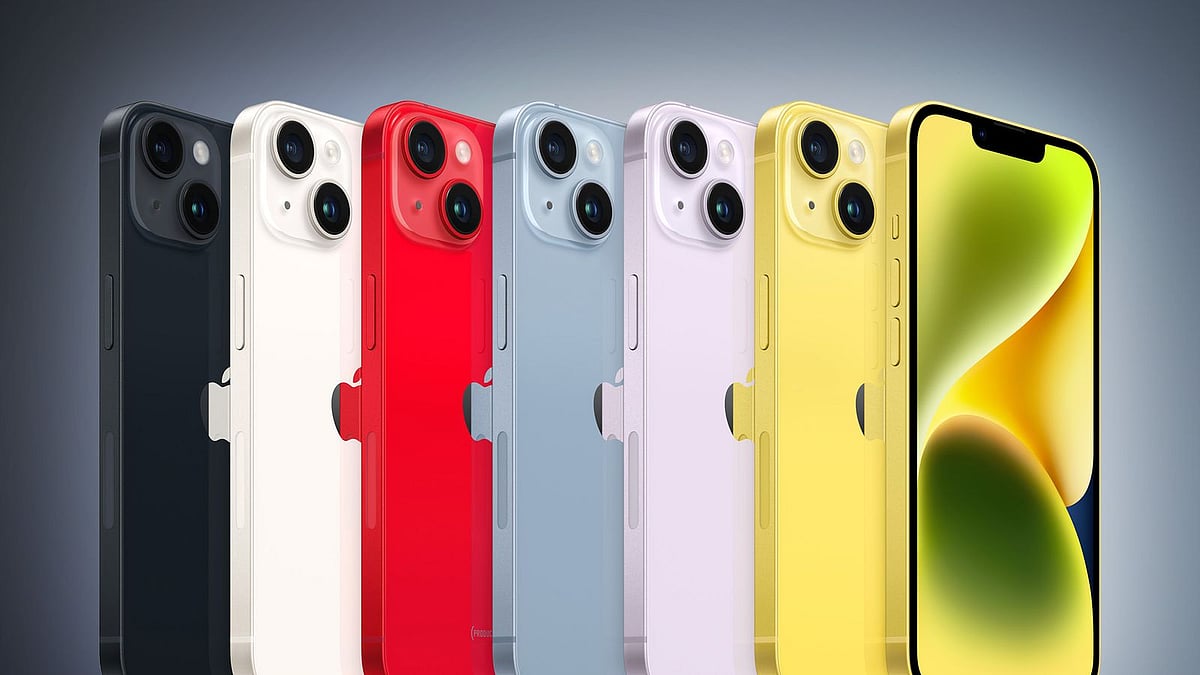
Production and selling of iPhone 14/14 Plus launched in September 2022 with A15 Bionic chips, Crash Detection, and Photonic Engine cameras has been discontinued by Apple.
Apple
Apple has discontinued the iPhone 14, iPhone 14 Plus, and iPhone SE (3rd generation), shortly after announcing the iPhone 16e, tech industry media reported.
What this means: Apple’s discontinuation of the iPhone 14, 14 Plus, and iPhone SE (3rd gen), means these models are no longer sold new directly from Apple or its official stores worldwide.
Dropped in September 2022, the iPhone 14 and 14 Plus were introduced as the standard models in Apple's annual smartphone refresh, positioned below the higher-end Pro models.
Immediate availability changes
Stock vanished instantly from Apple’s website and retail outlets post-iPhone 16e announcement on February 19, 2025, Macrumors reported.
Limited units may linger via carriers, resellers, or third-party retailers like Amazon at discounted prices (e.g., iPhone 14 at ~$599, down from $799 launch).
Since no new production occurs, this would accelerate the phase-out, as per 9to5mac.
Support and software lifespan
This doesn't mean Apple would drop support for the discontinued lineup. Full iOS updates, security patches, and services (iCloud, App Store) continue for 5-7 years minimum — expect support through at least 2029-2030.
Emergency SOS via satellite
Features like Crash Detection and Emergency SOS via satellite remain active while repairs are available via Apple until parts deplete, then third-parties, Macrumors reported.
Buyer impacts
Current owners: No changes — devices fully functional. Trade-in values drop slightly (~$200-300 for iPhone 14).
New buyers: Entry-level shifts to iPhone 16e ($599) — a pricier SE successor with A18 chip, OLED, Face ID, USB-C, but notch (no Dynamic Island) and no ultrawide camera. Larger screens now cost more (iPhone 15 Plus+).
SE fans: Ends Touch ID, Home button, Lightning era; all new iPhones are Face ID/USB-C enabled.
Strategic move
Rare mid-year mainline cut (iPhone 14/Plus launched 2022) streamlines lineup to iPhone 16e/15/16 series, boosts 16e sales as budget iPhone, and complies with EU USB-C mandates (banning Lightning sales).
As resellers clear inventory; expect deals into mid-2025 and 2026.
What to know
iPhone 14 & 14 Plus: Removed from Apple's site at $599/$699 (down from $799/$899); no USB-C contributed to EU sales ban by late 2024.
Remaining stocks | software support: They persist via partners, with software support ongoing like older models, according to Apple Insider.
iPhone SE: Replaced directly by $599 iPhone 16e, despite higher price than SE's $429; lacks MagSafe, UWB, ultrawide camera.
Alternatives: Users are directed to iPhone 15/15 Plus, iPhone 16/16 Plus, or iPhone 16e for non-Pro options, all supporting Apple Intelligence.
Replacement details
Announced in February 2025 alongside the phase-out, the iPhone 16e offers a 6.1-inch display, A18 chip, and modern features like Apple Intelligence support, positioning it above the SE's compact design while absorbing the 14 Plus's role.
Users seeking Plus-sized alternatives can opt for iPhone 16 Plus or 17 series, while remaining 14/14 Plus stock via retailers.
Sign up for the Daily Briefing
Get the latest news and updates straight to your inbox
Network Links
GN StoreAbout Gulf NewsTerms & ConditionsReach by GNSitemapContact usPrivacy PolicyGN FocusHave your sayWork with usAdvertise with usGulf News epaperPrinting Services
Download our app
© Al Nisr Publishing LLC 2026. All rights reserved.