How much will F1 lose from Bahrain, Saudi Arabia race cancellations?
With these cancellations, teams and drivers face unexpected break of nearly five weeks
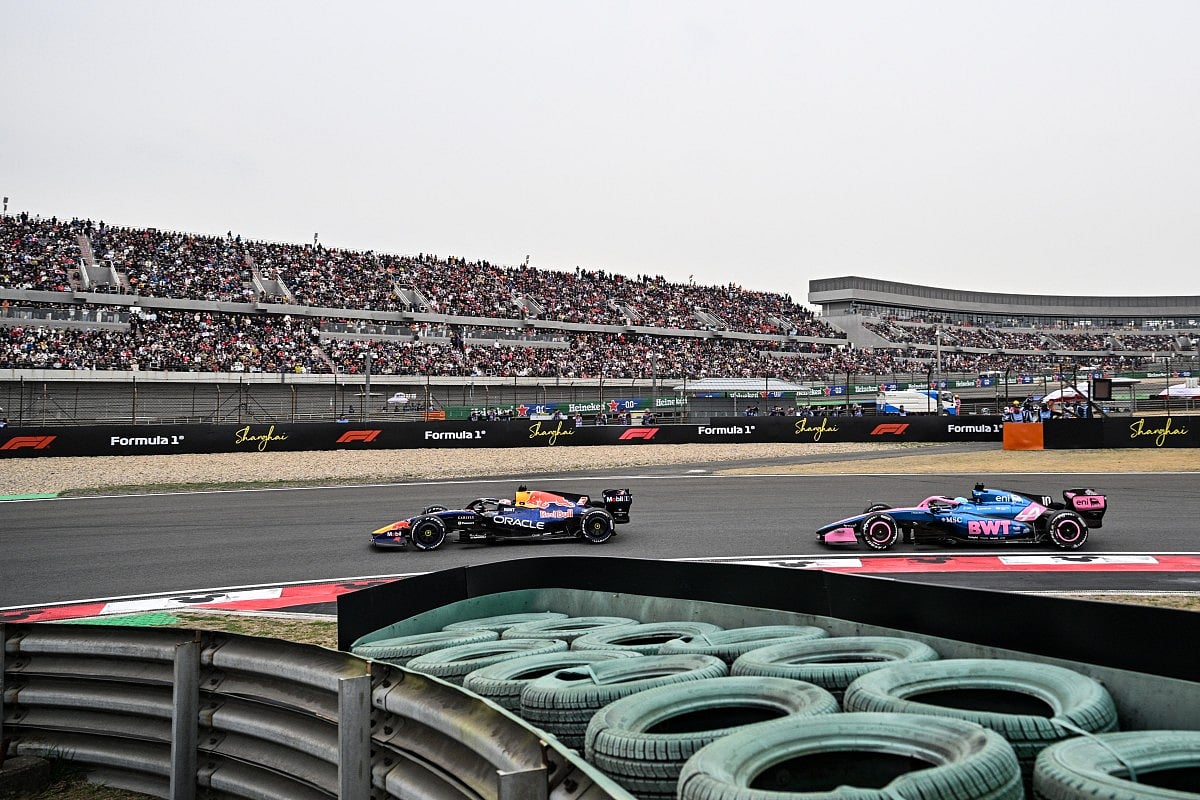
Dubai: Formula One announced the cancellation of its April races in the Middle East due to escalating tensions in the region.
The race weekend at the Bahrain International Circuit, originally scheduled from April 10 to 12, and the following week’s event in Jeddah from April 17 to 19 will no longer take place.
With these cancellations, teams and drivers now face an unexpected break of nearly five weeks between the Japanese Grand Prix on March 29 and the start of the Miami Grand Prix race weekend on May 1.
The long break poses challenges for teams already adapting to sweeping technical regulation changes and new car designs. Many had planned to introduce key upgrades during the Bahrain and Saudi races, but the cancellations mean they will lose six practice sessions and two races’ worth of valuable on-track data.
But it does offer a small advantage: engineers and drivers will have more time behind the scenes, using simulators and development tools to better understand the sport’s evolving technical landscape.
Beyond the sporting implications, the cancellations could also have a financial impact on the championship.
According to a report from Guggenheim Partners, Formula One could lose roughly $200 million in annual revenue and about $80 million in earnings before interest, taxes, depreciation and amortisation (EBITDA).
The figures are significant but manageable for the sport. In 2025, Formula One generated approximately $3.9 billion in total revenue and reported operating income of $632 million.
Lucrative regions
The most immediate financial hit would come from promoter fees — the payments made by circuits, cities, or governments for the right to host a race. These fees represent one of Formula One’s most stable and predictable revenue streams, with contracts often agreed years in advance.
Logistics have already been affected by the conflict. Teams have encountered travel disruptions, with charter flights required to navigate closed airspace in parts of the region.
Promoter fees have grown substantially since Liberty Media acquired Formula One in 2017 for $4.7 billion.
In 2018, those fees totalled $503 million, representing 34% of the championship’s primary revenue streams, which also include media rights and sponsorship deals. By 2025, promoter fees accounted for nearly 27% of primary revenue, totalling approximately $824 million.
The Middle East has become one of the most lucrative regions for these agreements. According to Guggenheim estimates, Bahrain and Saudi Arabia together pay around $115 million annually to host their races — revenue that Formula One would forgo if the events are cancelled.
The contract with Bahrain runs through 2036, while the Saudi Arabian race agreement extends until 2030.
For now, the remainder of the season remains unaffected. Formula One does not return to the region until the Azerbaijan Grand Prix in September, held in Baku. The championship traditionally concludes with races in the Middle East, including the Qatar Grand Prix and the Abu Dhabi Grand Prix, and by then organisers hope things would get better.
Network Links
GN StoreDownload our app
© Al Nisr Publishing LLC 2026. All rights reserved.