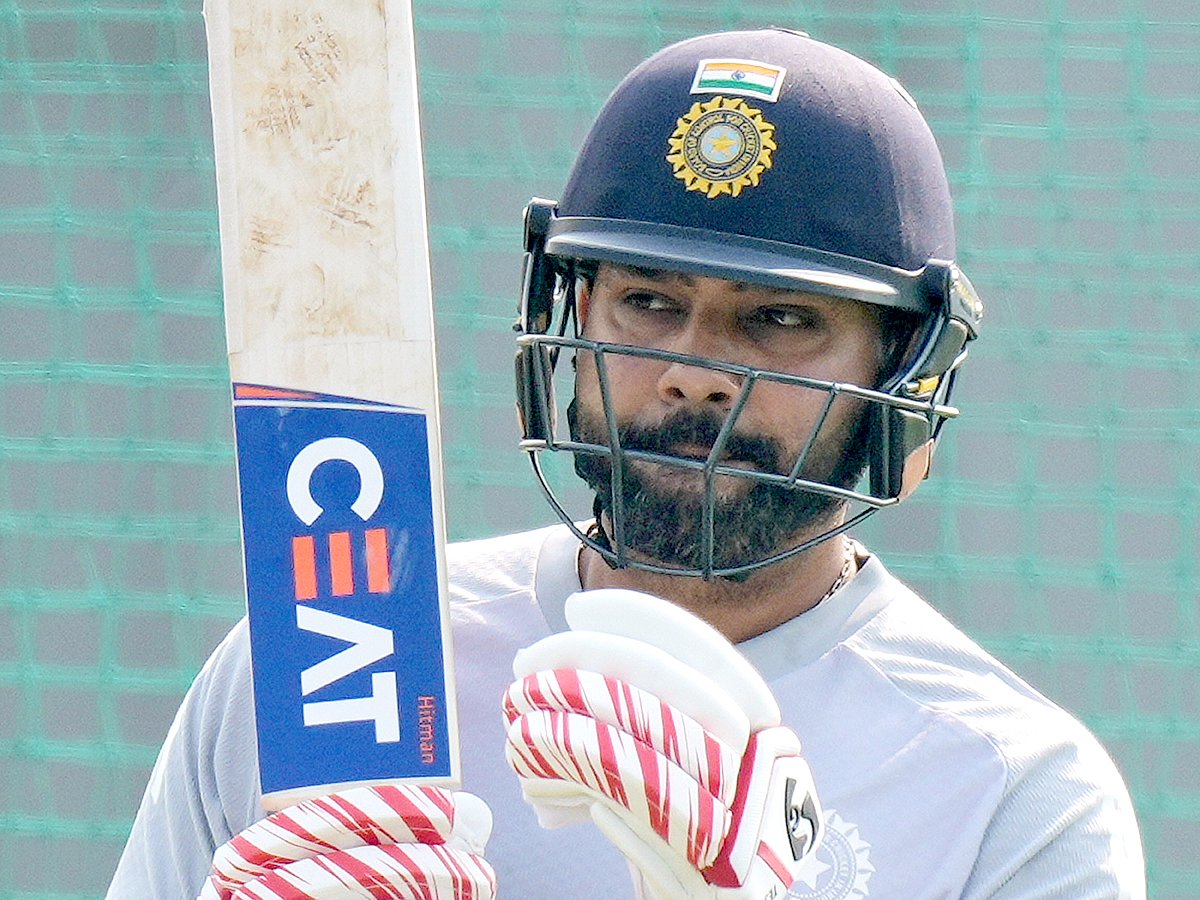
Former India captain Rohit Sharma has revealed that the 2019 ICC Men’s Cricket World Cup in England and Wales was a turning point in his career. Despite scoring heavily, India failed to win the tournament, and Rohit said that experience forced him to rethink his approach to batting.
Speaking on JioStar’s show “Captain Rohit Sharma’s Roadmap for T20 World Cup,” Rohit said the 2019 World Cup taught him that personal runs mean little if the team does not win. From 2020 onwards, he changed his mindset, choosing to bat with more intent, joy and fearlessness.
From runs to impact: A new approach
Rohit admitted that his big run tally in 2019 felt hollow without a title to show for it. He said the experience made him question the value of individual statistics when the team fails to succeed.
“The 2019 World Cup was a big lesson for me. I scored so many runs there, but we did not win the World Cup. So I asked myself, what is the use of this? What will I do with these runs?” Rohit said.
He explained that this realisation led him to play differently from 2020. Over the next two years, he worked on a new style of batting and fully embraced it by 2022 and 2023. Instead of focusing on personal milestones, he began to value performances that genuinely helped the team.
“I realised that I had to play with intent and without any fear. Otherwise, it does not matter how many times I got out in the 40s or in the 90s,” he said. “It never bothered me at all.”
Ending India’s ICC trophy drought
Rohit also reflected on India’s long wait for ICC success. The team went 13 years between World Cup wins, from 2011 to 2024, or 11 years if the 2013 Champions Trophy is included. He admitted the drought was longer than he expected.
“I always believed that when the tide is going down, it’s not going to stay down forever. It will come up at some stage. But I didn’t think it would take 13 years,” Rohit said.
He added that despite doing the right things, India lacked something crucial. He believed the team might have been held back by a fear of failure.
Confidence and clarity
To overcome that fear, Rohit said the leadership focused on giving players freedom and clarity. He stressed the importance of one-on-one conversations, where roles and expectations were clearly explained.
“We wanted to remove that fear. And how do you do that? By giving everyone freedom and clarity,” Rohit explained. “By telling them, ‘You are the guy, you are going to do the job for me, and no matter what happens, we will back you.’”
He believes this approach built trust and allowed players to perform without hesitation. When a player knows the captain and coach have confidence in him, Rohit said, he will take responsibility without fear.
Network Links
GN StoreDownload our app
© Al Nisr Publishing LLC 2026. All rights reserved.