Beyond a ceasefire: What the Gulf expects from Iran talks
A lasting deal requires regional guarantees and accountability, not just temporary relief
Despite the lack of clarity regarding the vision and strategic foundations underpinning the Islamabad negotiations scheduled for Friday between the United States and Iran, the Gulf Cooperation Council (GCC) countries — foremost among them the United Arab Emirates — view the agreement between Tehran and Washington, mediated by Pakistan, on a temporary two-week truce as a positive step. This stems from their firm commitment to de-escalating military conflicts and ensuring security and stability in the Middle East.
It is certain that these negotiations represent a critical historical turning point for the region and the world for one fundamental reason: all scenarios remain open and equally plausible between the “political” and the “military” tracks. The likelihood of a resumption of war remains comparable to the chances of reaching a final agreement — an outcome that many specialists and observers deem unlikely due to the divergence in strategic visions and the depth of differences in interests, objectives, and the ceiling of demands and conditions between the Iranian and American sides. This is because the 40-day war did not produce a decisive strategic reality that would compel either side to concede, soften its position, or respond to the conditions — and perhaps dictates — of the other.
Victory based on differing criteria
Thus, each side claims victory, albeit based on differing criteria and assessments: on the one hand, a military/structural perspective that highlights the destruction of approximately 80% of Iran’s military capabilities following the targeting of more than 13,000 military sites, in addition to significant human losses, including the deaths of over 100 senior leaders of the Iranian regime — both military and political — headed by Supreme Leader Ali Khamenei; and on the other hand, political claims that disregard the scale of confirmed human and material losses, focusing instead solely on the survival of the regime — regardless of the individuals, capabilities, and infrastructure destroyed — as the primary variable in assessing victory and defeat.
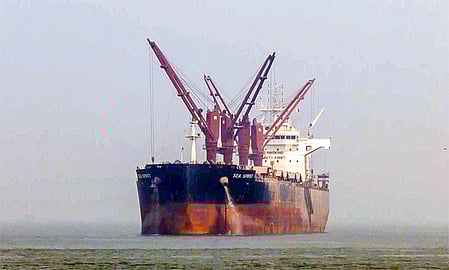
Ultimately, the Islamabad negotiations are formally commencing in an environment marked by a complete lack of trust and an extremely complex and unfavourable strategic context. This is due to several factors, including Iran’s continued closure of the Strait of Hormuz and its defiance of international will, as well as the ambiguity surrounding certain aspects of the ceasefire understandings themselves. Chief among these concerns is Iran’s continued criminal attacks against some GCC countries, in blatant disregard of the agreement, alongside the promotion of absurd claims regarding decentralised decision-making within the Islamic Revolutionary Guard Corps — claims that fail to conceal the regime’s hostile intentions toward its regional neighbours.
Lack of clarity
The negotiations are also taking place amid a lack of clarity regarding the situation in Lebanon, which was notably excluded from the de-escalation arrangements, reflecting the self-serving approach of the Iranian leadership and its disregard for the interests of those it claims as allies within the so-called “Axis of Resistance.”
From a Gulf perspective, the ceiling of Iranian demands presented for negotiation appears disastrous — even if compromises are reached — particularly regarding Iran’s continued control over the Strait of Hormuz, which contradicts both international law and rational logic. Accordingly, GCC countries should have been a fundamental party to these negotiations, as they are directly affected stakeholders bearing the heavy cost of a war in which they have no direct involvement. Moreover, regional security cannot genuinely stabilise or mature without taking into account the perspectives of GCC states and ensuring the availability of security and stability guarantees within any prospective agreement.
Nuclear agreement flaw
Notably, this was one of the most serious flaws of the nuclear agreement (the Joint Comprehensive Plan of Action – JCPOA), which was signed by the six major international powers with Iran in 2015. The agreement failed to achieve its objectives and yielded nothing but an expansion of Iranian assertiveness and nuclear threat, ultimately leading us to the current situation more than a decade after that ill-fated agreement concluded under the Obama administration.
In reality, the success of any negotiations under the prevailing conditions requires several fundamental elements.
First, due consideration must be given to United Nations Security Council Resolution 2817 (11 March 2026), which strongly condemned Iran’s crimes against its neighbours and demanded their immediate cessation. This necessitates the provision of robust guarantees through strict monitoring mechanisms to prevent the recurrence of such crimes, without relying on the intentions of a deceptive regime that has flagrantly disregarded all rules of international law.
Second, there must be the establishment of a precise and transparent framework for accountability and compensation for the violations and terrorist acts committed by Iran, including the launch of more than 2,820 ballistic missiles and drones; for impunity inevitably leads to repeated misconduct.
Unconditional reopening of Strait of Hormuz
Third, Iran must commit to the full and unconditional reopening of the Strait of Hormuz to international navigation, while excluding all formulas and proposals related to transit fees, revenue-sharing arrangements, or their presentation in manipulative forms designed to circumvent international law and extract gains outside the framework of established norms, legal principles, and international legitimacy. Such measures constitute an infringement on the rights of neighbouring states to safe and unrestricted passage through international waters and maritime routes, effectively rendering the international strait a hostage to Iran and subject to its dictates, objectives, and fluctuating intentions.
Fourth, the solution must be comprehensive, based on the premise that any political handling or settlement of the crisis must address the Iranian threat in a holistic and integrated manner. This specifically includes sensitive and critical issues such as the future of Iran’s nuclear and missile programs, as well as the financing, arming, and sponsorship of militias and terrorist proxies, where there can be no acceptance of bargaining, postponements, or partial solutions.
Fifth, attention must be paid to the risk of Iran evading its obligation to respect the rights of neighbouring states to compensation for the damages resulting from its crimes, while simultaneously seeking to obtain compensation from the United States through legally questionable mechanisms such as transit fees in the Strait of Hormuz and similar arrangements. This constitutes a malicious attempt to circumvent the rights of neighbouring countries and deprive them of the opportunity for reciprocal treatment.
Comprehensive political settlement framework
The Islamabad negotiations should not aim solely at permanently de-escalating the war between the United States and Iran; rather, they must fundamentally seek to establish a comprehensive political settlement framework that constitutes a solid foundation for regional security and stability, ensuring the avoidance of repeating the mistakes of previous agreements concluded with Iran, as well as preventing the clerical regime from once again expanding its influence and continuing to threaten Middle Eastern states.
Regional security system
Accordingly, it is essential that the negotiations move away from any bilateral solution framework between Washington and Tehran and instead lay the groundwork for an integrated regional security system that neither postpones consideration of nor ignores the concerns of the Gulf Cooperation Council states. These concerns, perspectives, and interests must be fully taken into account in any prospective agreement, while also recognizing the Iranian negotiator’s extensive accumulated experience in exhausting the negotiating capacities of others and gradually pushing them toward accepting arrangements that serve its strategic interests (the “carpet-weaving” negotiation approach), as was the case in 2015.
The Gulf Cooperation Council states must not remain a battleground for wars and ideological adventures by authoritarian regimes, nor should perpetrators escape accountability for their violations and crimes in the absence of international deterrence and justice. What has occurred has taught our countries a harsh lesson, underscoring the necessity of firmly upholding national interests without yielding to emotional rhetoric or populist slogans used by some to pressure others. It has become clear that while strategic interests may intersect, they certainly do not fully align.
Dr Mohamed Abdulla Al Ali is CEO, TRENDS Group
Sign up for the Daily Briefing
Get the latest news and updates straight to your inbox
Network Links
GN StoreDownload our app
© Al Nisr Publishing LLC 2026. All rights reserved.