Dubai regulates how enforcement officers use cameras to document violations - here's what you need to know
Who can record, where, and who sees it - Dubai's new enforcement rules, broken down
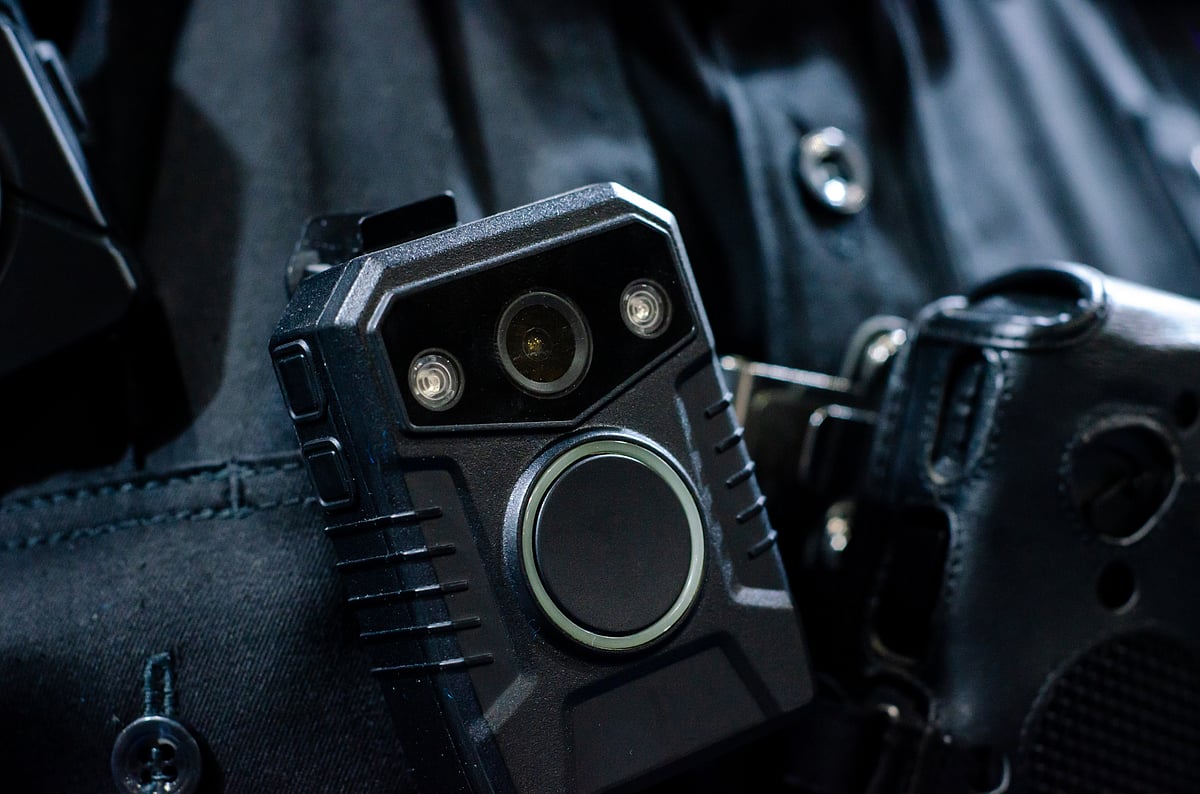
Dubai: In an age where cameras are ubiquitous, Dubai has moved to define exactly when, where, and how its enforcement officers may record and who gets to see that footage afterwards.
On June 2, Sheikh Hamdan bin Mohammed bin Rashid Al Maktoum, Crown Prince of Dubai, Deputy Prime Minister, Minister of Defence, and Chairman of The Executive Council of Dubai, implemented a new legal resolution in Dubai to oversee how enforcement officers utilise recording devices during official procedures.
This regulation seeks to boost professional transparency and accountability whilst ensuring that the privacy rights of individuals are strictly protected.
What changes under the new resolution
Executive Council Resolution No. 13 of 2026 sets out clear rules for how enforcement officers in Dubai record, store, and share footage during official procedures. In brief, the law covers four key areas:
Recording - Officers are banned from filming in sensitive locations, including homes, places of worship, and changing rooms. Individuals must also be informed when a recording is taking place.
Storage - All footage must be stored in secure, encrypted systems that comply with Dubai Electronic Security Centre (DESC) standards. Recordings must be protected from tampering and unauthorised access at all times.
Access - Only authorised personnel may view recordings, and written approval is required before footage can be used or shared. Access levels must be clearly defined by the relevant government entity.
Confidentiality - Footage cannot be shared for personal use or any unauthorised purpose. It may only be shared with the representative government entity or other approved persons, in line with Dubai law.
Get updated faster and for FREE: Download the Gulf News app now - simply click here.
Where is recording prohibited under the new law?
Under the new law, recording is strictly prohibited in highly private places, specifically including:
Homes
Places of worship
Changing rooms
In addition to these location-based prohibitions, the resolution mandates that individuals must be informed when a recording is taking place. Enforcement officers are also restricted to using cameras solely for official purposes and must act in accordance with the specific instructions provided by their authority.
Furthermore, the law prohibits officers from:
Copying, storing, or transferring any recordings onto personal devices or unauthorised systems.
Using recordings for any personal or unlawful purpose.
Who does the law apply to?
Enforcement officers - The resolution primarily regulates the conduct and responsibilities of enforcement officers who have been granted judicial enforcement powers
Government entities - It applies to all Dubai government entities that oversee these enforcement officers and are responsible for managing the recording systems and databases
Private contractors - companies contracted by government entities to carry out relevant functions.
Authorised users - any staff granted access to recording databases, who must comply with the resolution's privacy and security standards.
Network Links
GN StoreDownload our app
© Al Nisr Publishing LLC 2026. All rights reserved.