A hacker accessed sensitive UAE-linked systems then demanded $5m
Attacker threatened to leak stolen data on the dark web after breaching key systems
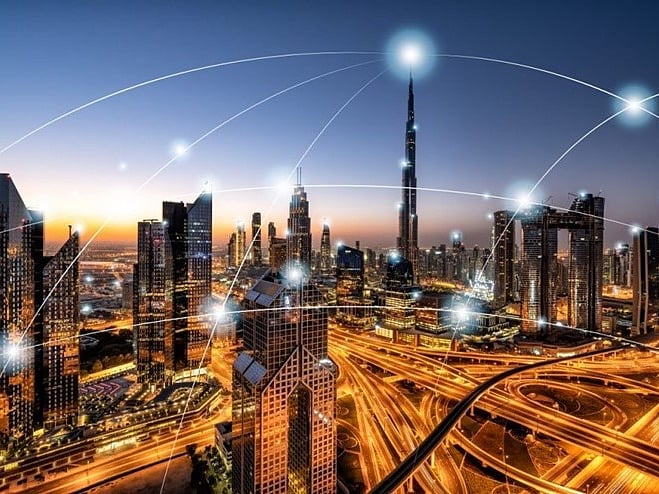
Dubai: A hacker who breached systems belonging to a private-sector organisation supporting a UAE government sector demanded $5 million and threatened to publish stolen data on the dark web, the country’s cyber security chief has revealed.
Dr Mohammed Al Kuwaiti, Head of Cyber Security for the UAE Government at UAE Cyber Security, said the incident was one of the most serious cyberattacks to target critical infrastructure in the country.
Get updated faster and for FREE: Download the Gulf News app now - simply click here.
Speaking during a session titled Media and Fifth-Generation Warfare at the Arab Media Summit in Dubai, Al Kuwaiti added that the attacker managed to penetrate the private-sector organisation, gain access to its systems and data, and later make contact with a demand for payment.
The hacker sent messages claiming to have mapped the organisation’s systems and identified how to enter and navigate them, Al Kuwaiti said. The attacker demanded $5 million and threatened to leak the compromised data and publish it on the dark web if the payment was not made.
The breach was traced to a vulnerability that had not been addressed through the latest software updates, he said.
Co-operation between the private sector and local and international organisations helped contain the attack and prevent the data from being leaked, according to Al Kuwaiti.
The episode underscored the changing nature of cyber threats facing governments, businesses and critical infrastructure, he said. Cyberattacks are no longer limited to attempts to disrupt services or temporarily take systems offline.
Al Kuwaiti noted that the UAE had confronted around 640,000 cyberattacks in a single day, targeting major sectors including critical infrastructure and operational technology, electricity, water and the economy.
He stated that the evolution of the fifth-generation warfare had made threats increasingly decentralised. A single person armed with a deepfake, fabricated information or a carefully circulated rumour could potentially influence events, he said.
That shift has made public awareness increasingly important at a time when people are exposed to an unprecedented volume of information from different sources.
Al Kuwaiti also highlighted the human consequences of digital manipulation, recounting a case involving students in which bullying and blackmail were carried out using filters and digital manipulation techniques to alter photographs of a female student.
The psychological effects were severe enough that the student left school for more than a year while undergoing psychological rehabilitation before eventually returning, he said.
The case demonstrated that the consequences of manipulated digital content do not remain confined to the online world, Al Kuwaiti said, but can affect children, their families, education and social lives.
He warned that fifth-generation warfare could target more than systems and data. Ideas, values, loyalties, customs and traditions could also become targets, while online platforms could be exploited to spread extremist ideas capable of contributing to terrorism and loss of life.
Al Kuwaiti described “cyber terrorism” as one of the major challenges requiring greater preparation, public awareness and stronger capabilities to counter attempts to influence society.
Artificial intelligence and other emerging technologies could help identify rumours and respond to them more quickly, he said, but human judgement would remain critical in drafting, reviewing and strengthening the credibility of those responses.
He also called for media organisations to be used as a central line of defence against disinformation campaigns.
The Cyber Security Council and other official institutions provide a shield against rumours by issuing statements and verified information, he said, stressing the importance of ensuring that credible information reaches the public quickly.
Al Kuwaiti concluded with three recommendations for social media influencers: rely on and verify information from official sources; uphold the UAE’s customs, traditions, cultural heritage, values of tolerance and Islamic values; and strive for the highest possible level of accuracy and truthfulness when sharing information with audiences.
Network Links
GN StoreDownload our app
© Al Nisr Publishing LLC 2026. All rights reserved.