Why energy drinks may be making UAE summer fatigue worse and what to do instead
Your 'quick fix' might not be fixing much at all, it could make your fatigue worse
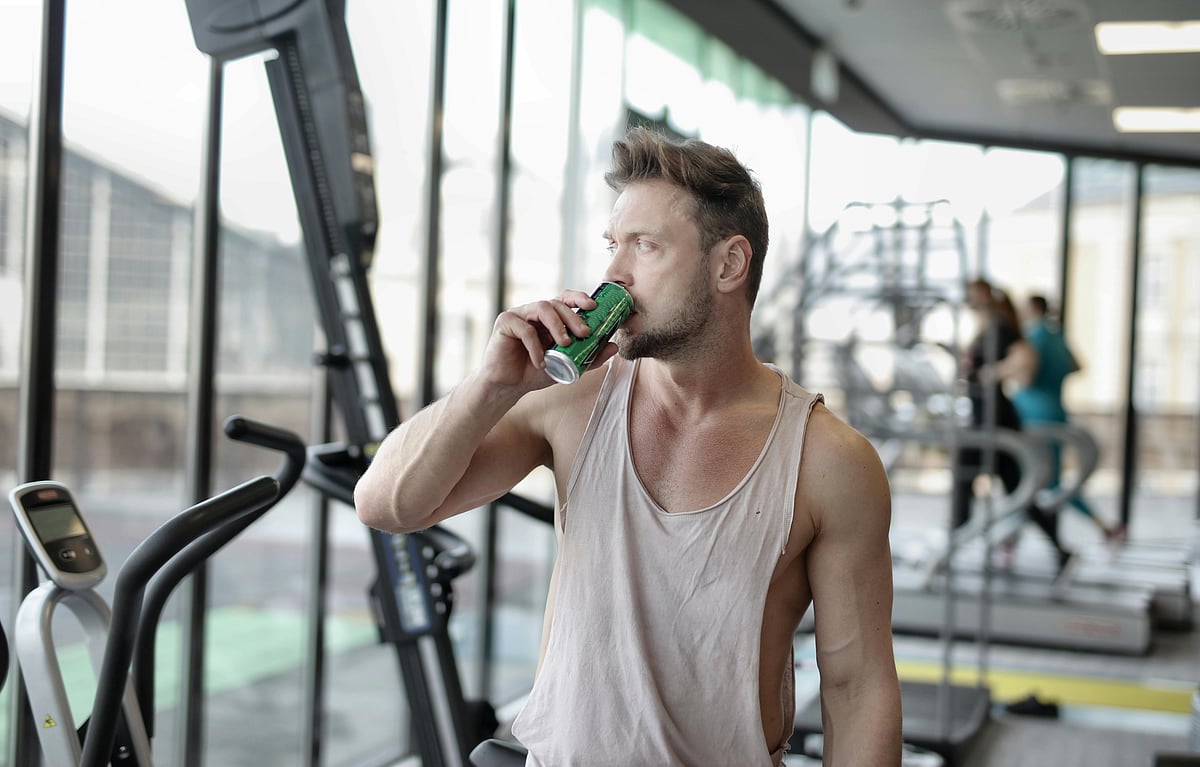
It’s only 2pm, but your brain packed up at 9 am. You’ve already had two energy drinks, and you’re eyeing a third.
But here’s the not-so-good news: The 'quick fix' might not be fixing much at all. In fact, it could be setting you up for an even harder crash.
Energy drinks promise instant relief from heat-induced fatigue, but in extreme summer temperatures, the boost can quickly turn into a short-lived spike followed by an even deeper slump. So, behind the flashy branding and buzzwords like 'performance,' 'focus,' and 'recharge,' there’s a more complicated physiological story to note, one that dieticians say is often misunderstood.
The 'energy' illusion: Why energy drinks can backfire in heat
In hot weather, the body is already working overtime to regulate temperature through sweating and increased circulation. When you consume caffeine, sugar, and stimulants, the system gets pushed further.
Rahaf Altowairqi, clinical dietician, explains that the initial lift many people feel is often misleading. “Many people assume energy drinks will help them stay alert in the heat, but in reality they can sometimes worsen dehydration and fatigue," she explains.
The ingredients, such as caffeine and high amounts of sugar may increase fluid loss or place additional strain on the body, especially during very hot weather. "While a person may initially experience a short burst of energy, this is often followed by tiredness, headaches or an 'energy crash.' During summer, the body is already working harder to regulate temperature, so relying on energy drinks instead of proper hydration may leave people feeling more exhausted rather than refreshed.”
This 'crash' is not just subjective fatigue; It’s tied to how the body responds to rapid spikes in caffeine and sugar, followed by a rebound dip in energy levels.
What’s actually inside the can
Energy drinks are rarely just caffeine in isolation. They often combine multiple stimulants and additives, creating a compounded effect, especially risky in extreme heat.
Rahaf points out that caffeine is the primary concern for health professionals, particularly in hot environments where dehydration risk is already elevated. As she explains, the high sugar content is also a concern as sugary drinks are not ideal for rehydration, and may leave people feeling even more thirsty.
She adds, "Some energy drinks contain additional stimulants such as guarana or high amounts of taurine, which may place extra stress on the cardiovascular system when combined with heat exposure. The effects can vary between individuals, but moderation is always important.”
The issue isn’t just what’s inside, but how those ingredients interact under heat stress. When the body is already sweating and losing fluids, stacking stimulants can amplify strain rather than relieve fatigue.
The caffeine gap: Why people underestimate intake
One of the biggest misconceptions is how much caffeine energy drinks actually contain.
According to Harvard Health Publishing, in 2025, Consumer Reports testing of 27 energy drinks found caffeine levels ranging widely from 6 mg to 242 mg per serving, with some products containing more than one serving per can. This means a single drink can sometimes deliver far more caffeine than expected.
For context:
A cup of coffee typically contains around 100 mg of caffeine
A 12-ounce cola has about 50 mg
This variability matters because consumers often don’t realise how quickly caffeine intake can stack up, especially when combined with coffee, iced teas, or pre-workout supplements.
Even more importantly, Harvard Health notes that while caffeine can create a temporary sense of alertness, it does not replace actual hydration or recovery. The result can be a cycle of stimulation followed by fatigue, particularly in hot climates.
What studies say
A 2023 review published in Nutrients examined what happens in the body when energy drinks are consumed regularly or in excess, especially among young adults and athletes. Rather than focusing on a single experiment, the researchers pulled together findings from multiple human cases and clinical reports to build a broader picture of risk.
At the core of the findings is caffeine, the main active ingredient in most energy drinks, often combined with other legal stimulants such as taurine, guarana, and L-carnitine. These ingredients are designed to increase alertness and reduce fatigue, but they also stimulate the cardiovascular and nervous systems. In simple terms, they don’t just 'wake you up', they speed up body functions like heart rate and blood pressure.
The review found that while mild side effects are relatively common, such as anxiety, nervousness, stomach discomfort, dehydration, and a racing heart, there are also documented cases of far more serious outcomes. These include seizures, acute kidney injury, abnormal heart rhythms, stroke, and in rare but significant cases, cardiac arrest, including fatal incidents.
One of the key concerns raised is how variable energy drinks are in strength. Caffeine content can range widely, from about 50 mg to over 500 mg per can, sometimes exceeding what you would get in a standard cup of coffee. This inconsistency makes it easy for people to consume far more caffeine than they realise, especially when multiple cans or other caffeinated products are combined.
The review also highlights a worrying trend: Increasing energy drink use among adolescents and young adults, alongside a rise in emergency room visits linked to these beverages. While not everyone experiences severe effects, the study stresses that the risk increases with high intake, heat, physical exertion, or underlying heart conditions.
Overall, the researchers conclude that energy drinks are not harmless 'energy boosters.' Instead, they are stimulant-heavy beverages that can place measurable stress on the heart and nervous system, and in some cases, contribute to serious medical emergencies.
Who is most at risk in summer heat?
Energy drinks affect people differently. In extreme temperatures, certain groups are significantly more vulnerable to their effects.
Rahaf stresses that younger consumers and those exposed to heat for long periods face higher risks. For instance, certain groups should be cautious with energy drinks, especially teenagers and young adults who might be more sensitive to a high caffeine intake. "Outdoor workers and athletes already lose significant fluids and electrolytes through sweating. Replacing water or proper rehydration drinks with energy drinks may increase the risk of dehydration or heat exhaustion," she adds.
However, people with heart conditions, high blood pressure, anxiety, sleep disorders or certain medical conditions should also avoid or limit these drinks, as stimulants can sometimes trigger unwanted symptoms.
In practical terms, this includes anyone spending extended hours outdoors, construction workers, delivery riders, athletes, and even commuters in peak summer heat.
When 'energy' becomes a warning sign
One of the most overlooked issues is how easily symptoms of dehydration or heat stress can be mistaken for normal fatigue,or temporarily masked by caffeine.
Rahaf highlights several warning signs that suggest the body is struggling rather than benefiting:
Excessive sweating
Nausea
Headaches
Dry mouth
Muscle cramps
Feeling shaky, anxious or light-headed
Moreover, in more serious cases, confusion, chest discomfort or fainting should never be ignored and require immediate medical attention. "If someone feels worse rather than more energised after consuming these drinks, it is important to stop, rest in a cool environment and focus on proper hydration," she says.
The key distinction is simple but critical: Stimulation is not the same as recovery. Feeling 'awake' does not necessarily mean the body is adequately hydrated or safe from heat strain.
Reading the label: Where the real risk hides
The marketing on energy drinks rarely reflects what matters most, caffeine load, sugar levels, and stimulant combinations.
Rahaf advises consumers to look beyond branding and focus on composition. You need to watch for multiple stimulants combined in one product, such as guarana, ginseng, or other added caffeine sources. "During summer, it is generally advisable to avoid drinks that are very high in sugar or stimulants, particularly during outdoor activities or prolonged heat exposure. Water, electrolyte solutions and balanced hydration remain the safest and most effective options for coping with high temperatures," she says.
Network Links
GN StoreDownload our app
© Al Nisr Publishing LLC 2026. All rights reserved.