Divya Tilani, artist & co-founder of Design Dome, says the key is ease that still feels celebratory.
What are Eid Al Adha fashion trends? Kaftans to co-ords, UAE designers say comfort is the new luxury
The old fashion dilemma, comfort or glamour has packed up and left
Last updated:
6 MIN READ
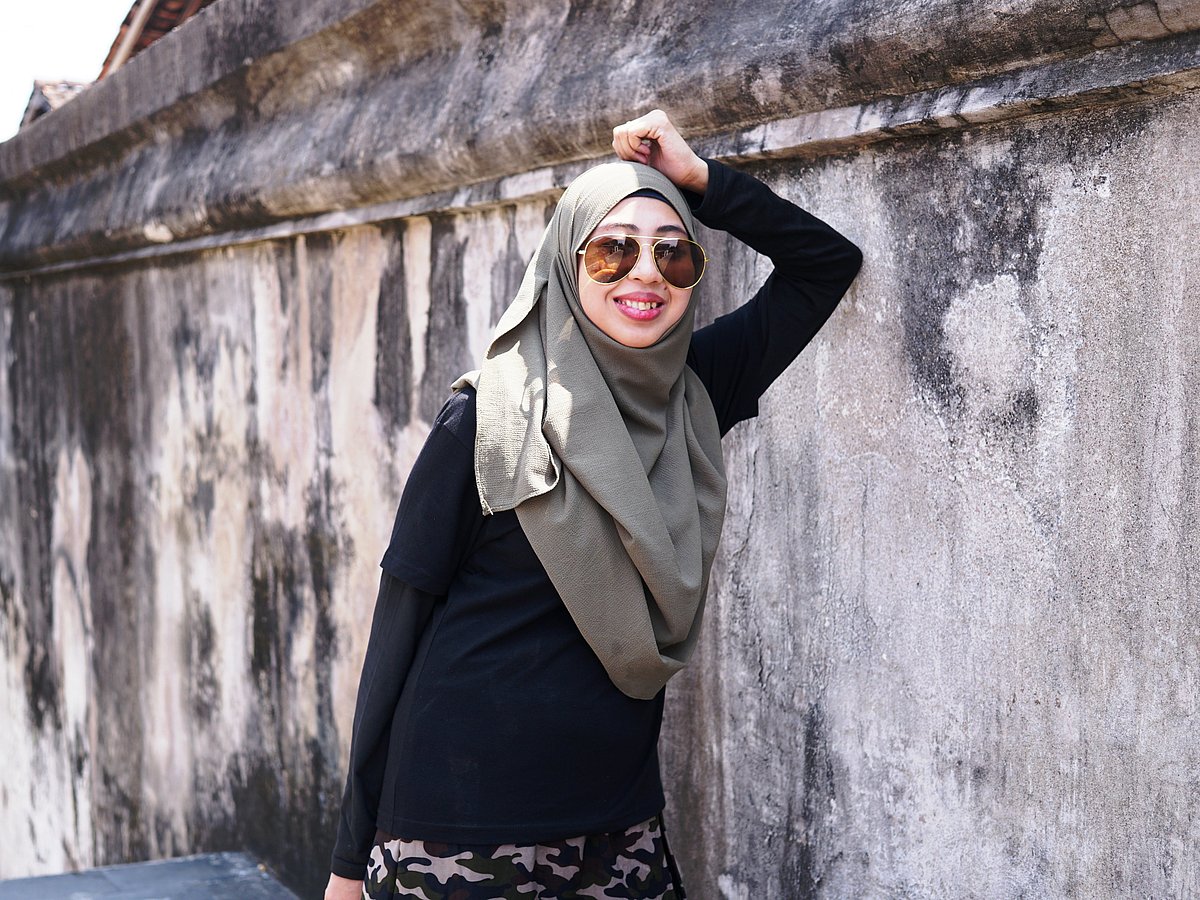
Rather than one-off statement outfits, shoppers are investing in versatile wardrobe pieces that can reappear in different settings
Shutterstock
It’s Eid. That means one of two things: You’re either planning your best-dressed moment of the year, or mentally negotiating how long you can survive in something beautiful but mildly unforgiving.
Turns out, you don’t actually have to choose.
As designers point out that the old fashion dilemma, comfort or glamour has packed up and left. In its place is a new aesthetic language that does both, without asking for compromise. Across the GCC, wardrobes are shifting away from heavy occasionwear and toward pieces that can carry the full rhythm of Eid: from morning visits and long lunches to late evening gatherings, all in the same outfit. You don't need to have a last-minute rush to change outfits.
That shift, says Máire Morris - Founder of Morris Global Consulting, isn’t about dressing down at all. It’s about dressing with a little more nuance.
“Comfort fashion for Eid in 2026 is less about dressing down, and more about dressing intelligently. Consumers across the GCC are still very much interested in looking polished and elevated for Eid, but they are no longer willing to sacrifice comfort to achieve that.”
The result is a softer, yet sharper version of luxury (yes that word again), —where fluid silhouettes and breathable fabrics replace heavily structured, restrictive occasionwear.
Get updated faster and for FREE: Download the Gulf News app now - simply click here.
An economical choice?
So, now what we see, isn’t minimalism for its own sake, but what industry insiders are calling 'refined glamour', pieces that feel special without feeling heavy or overworked.
Rather than one-off statement outfits, shoppers are investing in versatile wardrobe pieces that can reappear in different settings. Máire explains that this shift is also economic and practical:
“I would not say consumers are choosing comfort instead of glamour, they are actually expecting both simultaneously now. Instead, shoppers are investing in versatile luxury pieces that feel elegant and wearable beyond Eid itself.”
That means Eid wardrobes are now built around longevity, kaftans that double as dinner wear, abayas that layer over office looks, and co-ords that transition far beyond the holiday itself.
Silhouettes that move with you
The biggest visual change this Eid is in shape. Volume is still present, but it is sharpened. You don't need the drama.
Máire describes the shift as a move toward structure that still breathes: "The dominant silhouettes for Eid 2026 are fluid, elongated and softly structured. We are seeing a strong preference for relaxed luxury kaftans with subtle architectural tailoring… straight-cut silk or crepe suits with wide-leg or cigarette trousers, flowing maxi dresses with minimal but strategic embellishment.”
Across collections, there’s a clear preference for garments that feel fluid in motion, pieces that don’t need constant adjustment or styling, but naturally fall into place.
That same mood is reflected in how people are actually styling themselves for Eid gatherings. Divya Tilani, artist & co-founder of Design Dome, says the key is ease that still feels celebratory.
“Comfort dressing means choosing outfits that feel polished and festive. That means breathable fabrics, relaxed silhouettes, soft colours, and pieces you can comfortably move in all day.”
Furthermore, comfort is influencing every styling decision, from tailoring to footwear.
To stay comfortable during Eid:
•wear lightweight fabrics
•choose loose tailoring
use lightweight outerwear like a relaxed abaya, kimono, or oversized shirt
keep accessories minimal
wear low heels, sandals, or sneakers
•focus on overall simple, elegant styling
You don’t need heavy embellishments to look festive. A clean silhouette, rich fabric, and a few statement accessories can feel just as elevated. I’d say, stick to: monochrome looks, satin or linen textures, simple jewelry, tailored sets, and effortless layering.Remember, that on a few occasions, less styling feels more luxurious...
Divya Tilani artist & co-founder of Design Dome
Fabrics first
The focus is shifting toward breathability, movement, and long-wear comfort. According to Máire, fabric awareness is now much more intentional: “Crepe continues to dominate because it drapes beautifully while remaining practical for long wear… there is a huge focus on rayon, tencel or cupro blends. Linen blends are also extremely popular in 2026… Consumers are becoming much more educated about fabric quality now.”
The emphasis is no longer just visual texture, but how a fabric behaves over hours of wear, how it breathes, how it falls, and how it feels in real-life Eid settings.
This appreciation for texture is also showing up in styling choices. Divya notes that people are embracing rich-looking fabrics over heavy embellishment. “You don’t need heavy embellishments to look festive. A clean silhouette, rich fabric, and a few statement accessories can feel just as elevated.”
Instead of overloaded looks, she points toward a softer, cleaner approach to Eid dressing: “I would say, stick to: monochrome looks, satin or linen textures, simple jewelry, tailored sets, and effortless layering.”
The Eid colour board
Colour trends this year are almost split in two wardrobes within one celebration. Daytime Eid dressing is leaning into soft neutrals and muted tones, sand, sage, ivory, dusty pink and powder blue. These shades reflect the wider 'quiet luxury' movement and, as Máire notes, are also highly photogenic in natural light.
Evenings, however, shift into more vivid colours: Emerald greens, burgundy, royal blue and metallic accents return for a more celebratory mood. The difference is restraint. Even richer colours are being paired with understated textures rather than heavy embellishment.
From occasionwear to everyday pieces
Perhaps the most significant shift is how Eid clothing is being designed and worn beyond Eid itself. The idea of 'once-a-year outfits' is fading fast.
As Máire notes, functionality is now central to design thinking: “Traditional Eid dressing is becoming significantly more versatile and lifestyle driven. Today’s consumers want garments that fit seamlessly into their everyday wardrobes rather than pieces worn once and forgotten.”
Design details are being softened and reworked, lighter embroidery, easier silhouettes, and fabrics that adapt to both indoor air-conditioning and outdoor heat. The Eid outfit is no longer a standalone moment; it’s part of a longer wardrobe cycle.
Heritage but with modern ease
I always saw how personal clothing can be, especially in South Asian culture, where an outfit is often connected to memory, family, celebration and identity. The time and the skill that goes into hand embroidery is something you cannot fully appreciate until you see it being created piece by piece...
Farah Hussaini Founder FARAH another story
Even as Eid fashion leans toward cleaner tailoring and softer silhouettes, heritage continues to shape the way many people dress for the occasion. Across the region, there is growing interest in pieces that preserve traditional craftsmanship, but feel lighter, more versatile and easier to wear beyond a single celebration.
Farah Hussaini, the founder of a homegrown brand FARAH Another Story, connects that shift to her own upbringing around bridal and formal wear. “The brand was born out of Almirah, a brand led by my mom for Pakistani bridal and formal wear. As a young girl, watching her become someone else’s hero made her mine. That stayed with me into adulthood.”
But instead of recreating heavily formal occasionwear, the direction now leans toward softer dressing that still carries cultural detail and handwork.
“FARAH is my way of carrying that legacy forward, paying homage to the Pakistani ‘kaarigar’, embroidery and storytelling, while adding a more modern, effortless touch for women today.”
This balance between tradition and wearability mirrors a broader Eid fashion movement this year, where embroidery, tailoring and craftsmanship are appearing in more understated ways. “Our pieces are designed in the UAE and hand-stitched in Pakistan, reflecting both the place I call home and the culture that shaped me.”
And moreover, the focus is on clothing designed for movement and repeat wear, rather than one-time occasion dressing.
Network Links
GN StoreAbout Gulf NewsTerms & ConditionsReach by GNSitemapContact usPrivacy PolicyGN FocusHave your sayWork with usAdvertise with usGulf News epaperPrinting Services
Download our app
© Al Nisr Publishing LLC 2026. All rights reserved.