Low testosterone? UAE doctors warn men against relying on supplements for a quick fix
The trouble often starts before the purchase, with a self-diagnosis
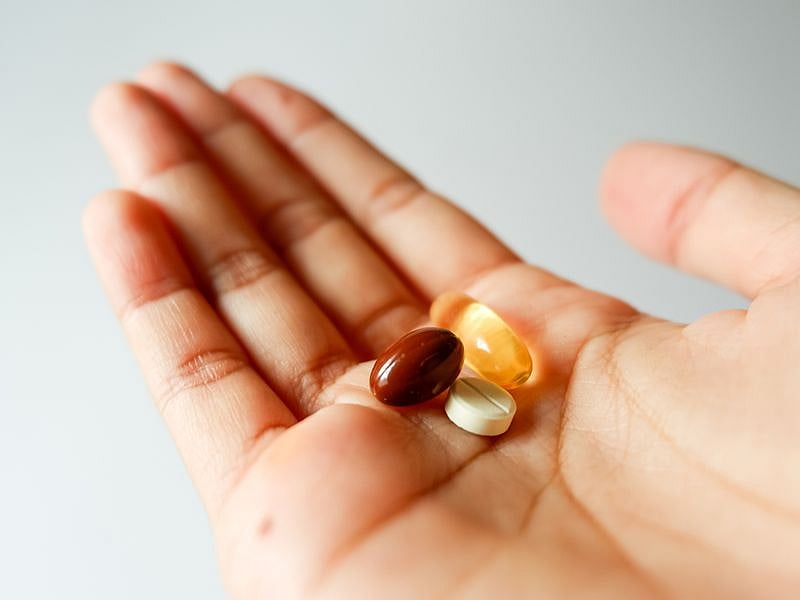
The pitch reaches men everywhere: Between workout clips, under fitness influencers’ posts, in the supplement aisle beside the protein powders. A capsule of zinc, a scoop of ashwagandha, a blend with an exotic botanical name, each promising more energy, more muscle and more drive.
The sales are strong, however, the science behind them might be rather weak.
Dr. Syed Imtiaz, a consultant urologist at Medcare Hospital Al Safa notes the growing awareness around men's health, fitness and hormone levels, with men looking for ways to improve their energy and physical performance.
However, social media and aggressive marketing have promoted these products as quick solutions for fatigue and declining performance, as he and Dr Vinodh Kumar Manoharan, a consultant urologist at RAK Hospital explain.
The appeal is easy to understand. A bottle costs less than a specialist visit, needs no prescription and carries no stigma. Dr. Ankitesh Kumar, a specialist endocrinologist at Aster Clinic in Bur Dubai, said men are drawn by 'the desire for a cheaper, easily accessible fix.'
However, the comfort of a 'natural' label can be misleading. “Marketed as safe because they rely on ‘natural’ constituents,” he said, “the reality is starkly different.”
A diagnosis in a bottle
The trouble often starts before the purchase, with a self-diagnosis. A man feels tired, sees his gym progress stall, and concludes that his hormones are to blame.
“Tiredness does not automatically indicate low testosterone, and products marketed as natural are not necessarily safe,” Dr. Manoharan said.
Dr. Imtiaz described two misconceptions that feed each other. “One common misconception is that low energy, reduced muscle mass, automatically indicate low testosterone,” he said. “Another is that increasing testosterone will necessarily improve strength, mood and overall health.”
Many other things can produce the same symptoms, including poor sleep, stress, obesity and diabetes. That is why, Dr. Imtiaz said, “Testosterone levels cannot be assessed based on symptoms alone.” Real testosterone deficiency is diagnosed with blood tests, usually taken in the morning and repeated, not by guesswork.
What’s actually in the bottle
When researchers at the University of Southern California analysed 50 popular 'T booster' products for a 2020 study in The World Journal of Men’s Health, they found that 90 percent claimed to raise testosterone. Only about a quarter of the ingredients had published data showing such an effect, and roughly 10 percent contained components with evidence suggesting they might lower it.
Dr. Kumar said the findings match what he sees in the field. “Most of these supplements lack rigorous scientific backing, and their compositions vary wildly,” he said. He went through the ingredients that appear most often on labels, one at a time.
Tribulus terrestris, a staple of many 'booster' blends, fared worst. “Data fails to show any reliable benefit for healthy or infertile men,” he said. “High doses have been linked in various studies to liver toxicity, kidney issues, and neurological problems.”
The research supports him. A 2014 review in The Journal of Dietary Supplements concluded that the herb appears ineffective at raising testosterone in humans and that the marketing claims are unsubstantiated. A 2025 review in the journal Nutrients reached the same verdict, though the trials it examined did not focus on men with clinically low testosterone.
Fenugreek has a more respectable research record, but it still falls short where it matters. “While small-scale studies show minor increases from baseline, they fail to demonstrate significant improvements when compared to placebo,” Dr. Kumar said. The most recent pooled analysis, published in August in Frontiers in Nutrition, found a small positive effect on total testosterone across six trials. Its estimate for free testosterone, the portion the body can actually use, was imprecise and inconsistent.
Ashwagandha, the adaptogen featured in countless wellness videos, has the most supporting research. A meta-analysis of 23 trials, published this year in Planta Medica, found that it raised testosterone in men by an average of about 57 ng/dL. Even so, the authors called for larger, more standardized studies. A bump on a lab report, Dr. Kumar cautioned, is not the same as feeling better. “Some clinical trials show modest improvements in testosterone, but they fail to show any tangible improvements in vigor or fatigue,” he said. “Given the lack of long-term safety data, it cannot currently be recommended as a reliable therapy.”
Dr. Imtiaz agreed that the evidence on both herbs is real but limited. Ashwagandha and fenugreek may help with some aspects of men’s health in some people, he said. “However, the findings are not consistent enough to establish them as reliable treatments for testosterone deficiency.”
Part of the problem is how the research is done. “Most studies involve small populations and short treatment periods, making it difficult to establish long-term effectiveness and safety,” Dr. Manoharan said.
When the basics backfire
The more familiar ingredients carry a different risk: taking too much of something the body needs in small amounts.
Zinc is a good example. “Zinc only boosts testosterone in men who are deficient in it,” Dr. Kumar said. Many products far exceed what the body can use. “Most boosters contain levels nearly 200% above FDA daily recommendations, which can interfere with copper and iron absorption and cause anemia and neurological issues.”
Vitamin D, one of the world’s most popular supplements, has a similar problem. While it has shown some improvement in total testosterone in some studies, there is no increase in free or bioavailable testosterone and excessive intake increases the risk of kidney stones, Dr. Kumar said. Moreover, taking too much vitamin D can result in elevated calcium levels in the blood, which may affect the kidneys and cause other complications, adds Dr Imtiaz.
Magnesium is often thought of as harmless, and the doctors said it can be harmful in excess, especially for some groups. “In excess, particularly for older adults with declining renal function, it can lead to cardiac and neurological complications,” Dr. Kumar said.
The danger increases when men combine products, often without realizing that several of them contain the same minerals. “Men should avoid combining multiple supplements without medical advice,” Dr. Imtiaz said. “It is best to identify whether a nutritional deficiency exists and use supplements only when needed, at appropriate doses.”
Some products contain ingredients that are not on the label. “Some herbal products can cause allergic reactions, liver injury and medication interactions,” Dr. Manoharan said. “There are also concerns about bodybuilding products containing undeclared pharmaceutical or steroid-like substances.”
The next step can cost more
When the capsules don’t work, some men move on to testosterone itself, bought online or passed around at the gym, without a doctor involved. The doctors described this as a much more serious risk, especially for men who want children.
“External testosterone can suppress the brain’s hormonal signals to the testes, reducing natural testosterone production and sperm development,” Dr. Manoharan said. “This can cause testicular shrinkage, severely reduced sperm counts and, in some cases, temporary or prolonged infertility.”
What actually helps
None of this means deficiencies don’t matter. It means the fix depends on finding out what’s actually wrong, and a pharmacy shelf can’t tell you that. A man who feels drained, unmotivated or out of sorts needs a blood test first. Sleep, exercise, a healthy weight and managing stress come next, along with treating conditions like diabetes that can drag hormone levels down. For men whose deficiency is confirmed, supervised therapy is available, and there are other options for those trying to preserve their fertility.
“Correcting nutritional deficiencies can support normal hormonal function, but taking additional supplements does not necessarily increase testosterone or treat diagnosed deficiency,” Dr. Manoharan said.
His advice comes down to a single sentence that most labels leave out: “Men should not chase higher testosterone levels through unregulated products.”
Network Links
GN StoreDownload our app
© Al Nisr Publishing LLC 2026. All rights reserved.