Low testosterone in men: How stress, poor sleep and excess weight affect hormone levels, UAE doctors warn
For men who suspect a problem, the instinct is to get a quick test and settle the matter
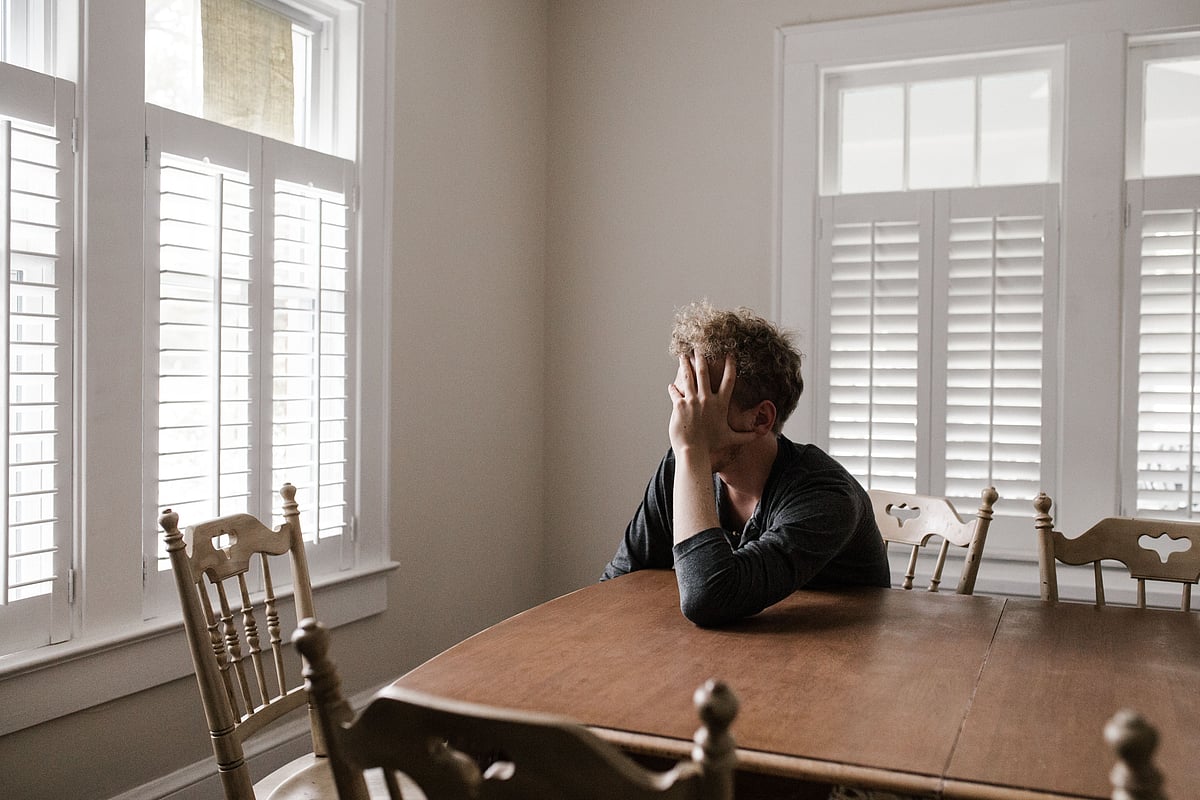
It rarely announces itself. There is the afternoon slump that a second coffee no longer lifts, the gym session abandoned halfway through, the evenings when desire seems to have wandered off and not come back. For a growing number of men, the explanation feels obvious, and so does the remedy: their testosterone must be running low, and something, whether a pill, a powder or a prescription obtained without too many questions, will top it back up.
As Dr. Fernando Porras, general practitioner and medical director at Dubai-based OMICS Precision Health explains, the danger is assuming these symptoms automatically indicate low testosterone. The same exhaustion and mental fog, he points out, may instead be linked to thyroid problems, metabolic conditions or nutritional deficiencies.
The real challenge is telling genuine low testosterone apart from the everyday exhaustion of stress, poor sleep and long hours.
More than a gym hormone
In popular imagination, testosterone is about muscle and bravado. Clinically, it does far more. Low testosterone, known medically as hypogonadism, occurs when the body does not produce sufficient amounts of testosterone, a hormone essential for men's reproductive and overall health, as Dr. Vinodh Kumar Manoharan, consultant urologist at RAK Hospital, explains. Most men expect the first signs to be a loss of energy and drive, and often they are.
What catches patients off guard is how much further the deficiency can reach. It often turns up in places men would never think to look, says Dr. Ankitesh Kumar, specialist endocrinologist at Aster Clinic, Bur Dubai. "The symptoms are often systemic: patients frequently suffer from unexplained low hemoglobin, reduced muscle mass, weaker bones, and even tender breast tissue growth."
The mind does not escape either. Anxiety, chronic stress and low mood often follow in the condition's wake, Dr. Kumar notes, setting up a loop in which the deficiency feeds the very stress that can make it worse.
That loop runs in both directions. "Chronic stress can disrupt the hormonal signals responsible for testosterone production," says Dr. Porras. Under prolonged pressure, the body's stress-response system stays switched on and keeps releasing cortisol. "Over time, this can interfere with the hormonal pathway that regulates testosterone production, potentially reducing the signals sent to the testes."
The effect is not only chemical. "Stress can also affect sleep, diet and exercise habits, compounding the problem," he adds, a chain reaction many men will recognise from their own working weeks. The early signs are easy to dismiss as a busy month: persistent fatigue, reduced motivation,"difficulty concentrating or declining physical performance.
That overlap is also why a rough patch, on its own, proves very little. For Dr. Syed Imtiaz, consultant urologist at Medcare Hospital Al Safa, the tell is time: "These symptoms can affect both physical and mental health, particularly when they persist over time."
A generation running on fumes
If more men feel depleted, the science suggests they may not be imagining it. Dr. Porras cites a 2026 systematic review of 345 studies covering nearly 170,000 men, which found that average testosterone among men under 30 was 22.1 per cent lower in studies from the 2020s than in those from the 1960s. He is careful to note that the review compares different groups of men rather than following the same individuals over decades, but the gap points to a potentially significant generational shift.
What is driving it? "There is unlikely to be one explanation," he says. Much of the suspicion falls on the texture of modern working life. Prolonged stress keeps the body's alarm system switched on and cortisol elevated. "Over time, this can interfere with the hormonal pathway that regulates testosterone production, potentially reducing the signals sent to the testes."
Sleep is the other casualty, and it rarely suffers alone. "Poor sleep and chronic stress frequently occur together, making it difficult to identify a single cause," Dr. Porras says. Night after night, the shortfall weighs on the hormone directly. "Testosterone production is closely linked to sleep, and research suggests that prolonged sleep restriction may produce measurable reductions in levels."
It also chips away at the body's ability to bounce back: "Insufficient or disrupted sleep can affect testosterone regulation, while also contributing to fatigue and impaired physical recovery." The men most exposed are easy to picture. "Men working long hours, night shifts or irregular schedules may be particularly vulnerable," he says.
Yet he cautions against assuming an early night is always the answer. "It is also important to consider underlying conditions such as sleep apnoea, which may require specific treatment rather than simply changes to bedtime habits."
Dr. Imtiaz makes the same case for looking beneath the surface: "Addressing underlying conditions such as obesity, diabetes or sleep-related problems may also help improve symptoms in some men."
That brings the conversation to body weight, which is regarded as the most overlooked lever of all. "Crucially, we must address the relationship between low testosterone and obesity, adds Dr Kumar. "For patients carrying excess weight, increased fat is associated with lower testosterone levels through various underlying mechanisms."
The relationship can also run the other way, with Dr. Manoharan listing increased body fat among the symptoms of the deficiency itself, so that each problem can feed the other. The encouraging news, Dr. Kumar argues, is that reducing body fat naturally restores hormone levels and should universally be considered the first line of management before any medical intervention is discussed.
Why a single blood test can mislead
For men who suspect a problem, the instinct is to get one quick test and settle the matter. Specialists say it is rarely that simple.
A part of the difficulty lies in chemistry. Most testosterone in the blood is bound to proteins, chiefly sex hormone binding globulin (SHBG) and albumin, and only a small free or bioavailable fraction does the hormone's actual work. "A standard total testosterone test might show falsely low levels if your SHBG levels are reduced," Dr. Kumar explains, which is why specialists calculate free or bioavailable testosterone using dedicated formulas.
Timing matters too, because levels peak in the early hours and fall through the day. "For an accurate reading, blood samples must be drawn between 7:00 AM and 10:00 AM in a fasting state," he says.
Even a carefully timed result is not enough on its own. "Diagnosis requires compatible symptoms and two separate blood tests showing consistently low testosterone levels," says Dr. Manoharan, who also orders tests for free testosterone, LH, FSH and prolactin to trace the cause. "Additional investigations, including blood counts, thyroid function and prostate assessment where appropriate, help determine whether treatment is safe."
Moreover, the evaluation should extend beyond the laboratory to the man's wider life. "Before considering treatment, doctors should assess the patient's overall health, existing medical conditions, medications and fertility plans," explains Dr Kumar.
The supplement aisle
Many men never make it to that appointment, turning instead to over-the-counter boosters promoted by fitness influencers and online advertising. Dr. Imtiaz traces the appeal to a pair of assumptions, the first being that low energy or flagging desire must mean low testosterone. "Another is that increasing testosterone will necessarily improve strength, mood and overall health."
Dr. Kumar explains about the products themselves, which are sold on the promise of natural ingredients: "Marketed as safe because they rely on 'natural' constituents, the reality is starkly different." The evidence behind most of them is thin, megadoses of familiar minerals and vitamins carry their own risks, and Dr. Manoharan raises a more troubling possibility still: "There are also concerns about bodybuilding products containing undeclared pharmaceutical or steroid-like substances."
The hidden price of doing it yourself
The greater danger, doctors say, comes when men move from supplements to testosterone itself, sourced online or prescribed without proper evaluation. The body reads the extra hormone as a signal to stand down. “External testosterone can suppress the brain’s hormonal signals to the testes, reducing natural testosterone production and sperm development,” Dr. Manoharan explains. Left unchecked, that shutdown can mean severely reduced sperm counts and, in some cases, temporary or prolonged infertility.
It is the part many men underestimate. The common assumption is that whatever the hormone switches off, stopping it will switch back on. Dr. Imtiaz is less sanguine: “This can affect fertility, and recovery after stopping treatment may take time and is not always predictable.”
And, reproduction is not the only system at stake. Dr. Kumar points to the strain that high doses can place on the prostate and on the blood itself: “High dose supplementation can also lead to prostate enlargement, and the thickening of the blood, which increases the risk of arterial blockages.”
Yet the same hormone that does harm in the wrong hands can help in the right ones. “If a true deficiency is found, treatment, whether via injectables, gels, or oral formulations, can profoundly improve metabolic and bone health,” Dr. Kumar says. The difference lies in who is treated and how closely they are monitored. For men who still hope to start or grow a family, the answer may not be testosterone at all. “Those wishing to preserve fertility may require alternative treatments,” Dr. Manoharan notes.
Back to basics
For most men, the most effective first steps are also the least glamorous. "Prioritise good-quality sleep, manage stress, stay physically active and include regular resistance exercise," Dr. Porras advises. If symptoms persist, the next step is a doctor's office, not a checkout page.
The afternoon slump, the lost drive and the sense of running on fumes are real, and they deserve to be taken seriously. They simply deserve a proper answer rather than a guess. As Dr. Imtiaz puts it: "The key message is that men's hormonal health should be approached with the same care as any other aspect of health."
Network Links
GN StoreDownload our app
© Al Nisr Publishing LLC 2026. All rights reserved.