The science is mostly on protein powders’ side—when paired with resistance exercise
Do protein powders actually work and do you need them? Here's the truth
Protein powders are concentrated forms of protein derived from various sources
Last updated:
5 MIN READ
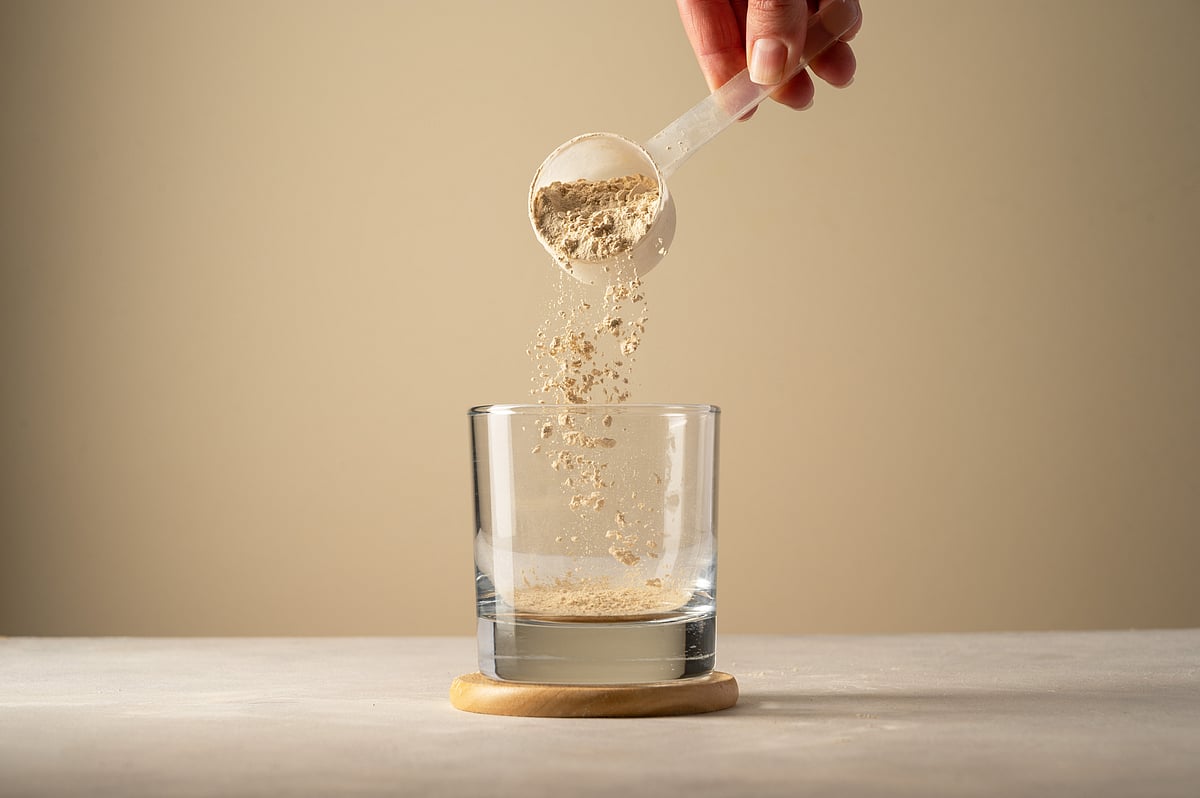
From aiding digestion to supporting immune defense, protein plays a crucial role in keeping you healthy and functioning.
Shutterstock
Walk into a gym or grocery store, and you're bound to spot shelves packed with tubs of protein powder. Fitness buffs mix it into shakes, aiming for muscle gains, while others are drawn to its health-boosting promise. But do we really need it? Or is it just another wellness trend with more hype than substance? Let’s break it down.
What is protein and why is it essential?
For starters, why is protein so essential? Protein is the powerhouse of your body, built from amino acids—the tiny building blocks that come together to form everything from muscles and skin to hair and tissues. But protein isn’t just about structure; it’s the fuel behind nearly every vital process in your body. From aiding digestion to supporting immune defense, protein plays a crucial role in keeping you healthy and functioning. Without it, your body would struggle to repair, grow, and perform even the most basic tasks, explains Mehul Jadhav, a sports nutritionist.
The Recommended Dietary Allowance (RDA) for protein is about 0.8 grams per kilogram of body weight for the average adult. But for athletes or people engaging in intense physical activity, this requirement can increase to between 1.2 and 2.0 grams per kilogram.
What are protein powders?
Protein powders are concentrated forms of protein derived from various sources, including plants (like soybeans, peas, rice, potatoes, or hemp), eggs, or milk (such as casein or whey). These powders often contain additional ingredients like sugars, artificial flavors, thickeners, and added vitamins and minerals.
Here’s a quick look at the options:
Whey protein: They digest quickly, and are packed with all essential amino acids. Ideal post-workout for muscle recovery.
Casein protein: A slow-digesting alternative that’s beneficial for overnight recovery.
Plant-based protein: Suitable for vegans, with options like pea, soy, and rice proteins.
Blended protein: Combines different sources, such as peas and rice, for a balanced amino acid profile.
Effectiveness and when they’re useful
The science is mostly on protein powders’ side—when paired with resistance exercise. For the most part, studies such as a US-based one published in the American College of Nutrition, support the idea that protein powders can help build muscle, as many claim. However, the key factor is that this only works when combined with resistance exercises, like weight training. Without exercising the muscles, the additional protein won’t have any impact.
A 2014 meta-analysis pooled data from 14 randomized controlled trials to get to the bottom of whether protein powders really help build muscle. In one study, half the group drank whey protein (which comes from the liquid left over when milk turns into cheese), while the other half had a placebo drink. The verdict? Protein powders do help increase lean body mass—but only when paired with resistance exercises, like weight training. Without the exercise, the protein didn’t have much of an impact.
One tricky part of comparing these studies is the difference in participants—some focused on obese individuals, others on older adults, and some on younger, active gym-goers—making it tough to apply the results across the board.
As Vibha Bajpaiee, Clinical Dietician, Aster Clinic, Bur Dubai, explains, “Protein powders can be a valuable addition to a balanced diet when used appropriately, offering benefits for muscle building, weight management, and meeting specific protein needs. Their effectiveness hinges on factors such as individual health goals, amino acid profile, digestibility, and bioavailability. To maximise their potential, it’s essential to consume them in appropriate amounts tailored to your requirements.”
A scoop of powder mixed into a smoothie or shake can provide a substantial protein boost without much prep time.
When consuming protein powders make sense:
Convenience and time-saving
If you're someone with a busy lifestyle who struggles to get enough protein from meals, protein powders can be a convenient and quick fix. A scoop of powder mixed into a smoothie or shake can provide a substantial protein boost without much prep time.
Fitness goals
Athletes or individuals who engage in intense physical activity, like weightlifting or endurance training, might need more protein to support muscle growth, repair, and recovery. Protein powders can help meet these increased demands when it's difficult to get enough from food alone. Studies show that protein supplementation, combined with resistance exercise, can increase lean body mass.
Recovery and injury
If you're recovering from surgery, injury, or intense exercise, additional protein can aid the healing process. It helps repair tissues and supports immune function, speeding up recovery.
Protein powders are generally safe when used appropriately and in moderation, particularly for those with higher protein needs.
The potential drawbacks
As Bajpaiee explains, “Protein powders are generally safe when used appropriately and in moderation, particularly for those with higher protein needs. They should be seen as a supplement to a balanced diet, not a replacement for whole food. It's important to ensure proper quality, dosage according to individual protein requirement, and variety in your overall nutrition.” You need to consider the protein source and avoid excessive intake to minimize the potential health risks.
Jadhav and Bajpaiee explain the possible risks:
Missing out on whole foods: While protein powder can be useful, it shouldn't replace whole foods in your diet. Whole foods offer additional nutrients like fibre, antioxidants, and healthy fats that protein powders don't provide. Consuming a variety of protein sources from real food ensures you're also getting these vital nutrients.
Excess protein:
As Bajpaiee explains, too much protein can strain your kidneys over time and may lead to other issues like dehydration or digestive discomfort. It's important to not rely solely on protein powder and to monitor your total protein intake.
Check for added ingredients
Some protein powders contain artificial additives, sweeteners, and preservatives. If you’re not careful, you might end up consuming more than just protein. Always check the label for unwanted ingredients, especially if you have allergies or sensitivities.
As both the experts maintain: Protein powders are great for packing in protein, but they often miss out on the other nutritional goodies that whole foods provide—like vitamins, minerals, healthy fats, and fibre. Over-relying on them might mean missing out on these essentials, leading to potential nutrient gaps. Plus, if protein shakes start taking over your meals, you could face imbalances that whole foods would naturally prevent. The key? A diverse, balanced diet packed with fruits, vegetables, grains, healthy fats, and lean proteins.
So, do we really need protein powders?
Do we really need that extra dose of protein? Or is it just a tad unnecessary?
In short: No, not necessarily. For most people, protein powder is not a requirement. If you maintain a balanced diet with enough protein-rich foods—such as meat, fish, dairy, eggs, legumes, and nuts—you are likely meeting your daily protein needs without any extra supplementation, explains Jadhav.
The verdict? Protein powders should be viewed as a supplement, not a replacement for whole foods. It's important to monitor protein intake to avoid overconsumption and maintain a balanced diet to ensure adequate intake of all essential nutrients.
Sign up for the Daily Briefing
Get the latest news and updates straight to your inbox
Network Links
GN StoreAbout Gulf NewsTerms & ConditionsReach by GNSitemapContact usPrivacy PolicyGN FocusHave your sayWork with usAdvertise with usGulf News epaperPrinting Services
Download our app
© Al Nisr Publishing LLC 2026. All rights reserved.