Actress Padmapriya Janakiraman
Why Revathy and Padmapriya gave up on reforming AMMA from within: ‘The faces changed, the structures remained’
What Revathy and Padmapriya’s exit reveals about Malayalam cinema’s power structures
Last updated:
4 MIN READ
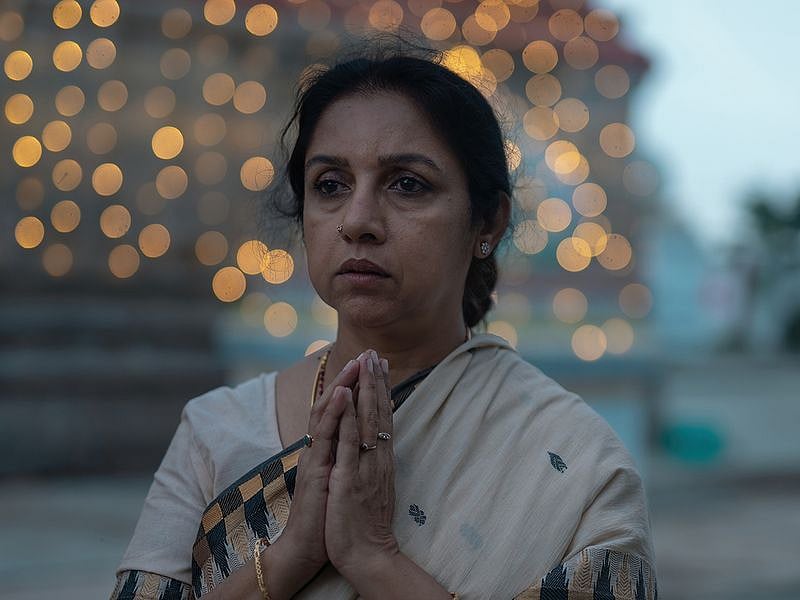
Revathi, in a still from her movie Navrasa, is one of South India's seasoned actors
Netflix
Dubai: When seasoned South Indian actors Revathy and Padmapriya Janakiraman announced that they were resigning from the Association of Malayalam Movie Artists (AMMA), it would have been easy to dismiss it as yet another chapter in the organisation's long history of controversy.
The two actors also anticipated that reaction.
"Some may see this as just one more chapter in the ongoing AMMA saga. It is not," they wrote in a joint statement.
They made it clear that this wasn't an impulsive decision or a response to one incident. Instead, it was the culmination of nearly a decade spent asking for what they described as the bare minimum: "safer workplaces, dignity, accountability and equal treatment."
Their resignation deserves to be read not simply as an act of protest, but as something far more sobering. It is the acknowledgement that they no longer believe AMMA is capable of becoming the organisation they once hoped it would be.
For years, Revathy and Padmapriya chose to stay and fight from within. Their statement speaks candidly about the personal cost of that decision. "We lost friends, colleagues and spaces that once felt like home," they wrote. Yet they continued because they believed those sacrifices would eventually lead to meaningful change.
That faith survived even the publication of the Hema Committee report.
When the report exposed the structural inequities and unsafe work environments that women in Malayalam cinema had spoken about for years, it felt like a watershed moment. There was public outrage, promises of reform and sweeping resignations within AMMA. Many believed the industry had reached a point of reckoning.
Revathy and Padmapriya believed that too. Looking back now, their resignation suggests that optimism was short-lived.
In their statement, they argue that the resignations that followed the Hema Committee report became "an escape from accountability." Once public attention shifted elsewhere, they write, "the same old patterns quietly returned." The faces changed, but "the structures remained."
That may well be the most damning line in their statement. It is not aimed at one office-bearer or one committee. It is an indictment of an institution that, in their view, changed its leadership without changing its culture.
Having covered Malayalam cinema for nearly two decades, I've had a front-row seat to how difficult these conversations have always been. Asking questions about workplace safety and sexual misconduct has often been met with discomfort, caution or silence.
I still remember interviewing Mohanlal when he described the MeToo movement as a "fad."
It was a remark that disappointed many women who hoped one of Malayalam cinema's biggest voices would recognise the courage it took to speak up. In another interview, I asked Mammootty about sexual misconduct in the industry. He chose not to engage with the question. Neither moment diminishes their extraordinary contribution to Malayalam cinema, but together they reflected an industry that too often found it easier to sidestep uncomfortable conversations than confront them.
AMMA has seen its share of controversies this year including multiple feuds among its actor members
That is precisely why Revathy and Padmapriya's persistence matters.
For nearly ten years, they continued asking for the same things, not power or privilege, but dignity, accountability, safer workplaces and equal treatment. They remained within AMMA long after many others might have walked away because they believed institutions are worth reforming from within.
Reading their statement, I wasn't struck by anger as much as weariness. There is resolve in refusing to remain part of an organisation that no longer reflects your values, but there is also profound sadness in accepting that years of effort have failed to produce the change you fought for.
Institutions don't fail only when elections become contentious or committees resign. They fail when the people who invested the most faith in reform finally conclude that their hope has been misplaced.
AMMA has undoubtedly lost two of Malayalam cinema's most respected actors. But it has lost something even more valuable.
Shweta Menon is the president of AMMA
It has lost two women who stayed when leaving would have been easier, who continued to believe after many had stopped believing, and who held on even after the Hema Committee report gave the industry what looked like its best chance at meaningful reform.
The saddest part of Revathy and Padmapriya's resignation isn't that they left AMMA. It's that they stayed for nearly a decade before deciding they had no reason left to.
As someone who has covered Malayalam cinema for years, I find myself returning to one uncomfortable thought. Revathy and Padmapriya did everything people often ask women to do. They stayed. They engaged. They argued for reform from within. They gave the institution time. If they have now concluded that there is nothing more to be gained by remaining in AMMA, perhaps the industry should stop asking why they left and start asking what it did to make two of its most committed reformers lose faith.
Network Links
GN StoreAbout Gulf NewsTerms & ConditionsReach by GNSitemapContact usPrivacy PolicyGN FocusHave your sayWork with usAdvertise with usGulf News epaperPrinting Services
Download our app
© Al Nisr Publishing LLC 2026. All rights reserved.