Taj Mahal diamond row: Why is Margot Robbie getting flak for wearing the $88m necklace?
Was it really for wearing it or for not properly acknowledging its provenance?
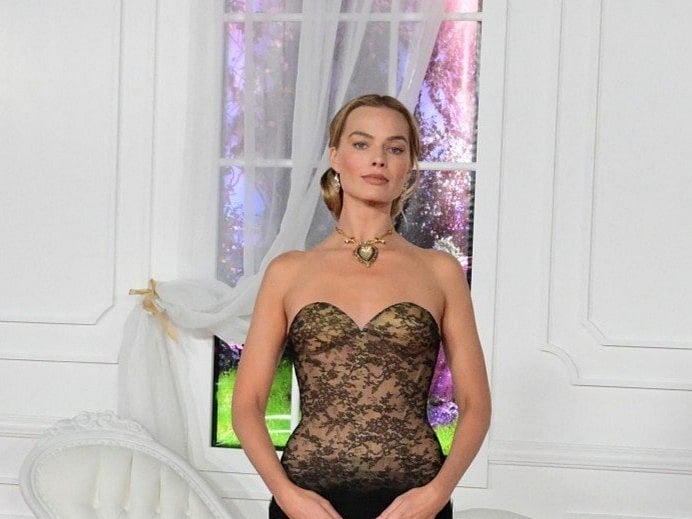
There were plenty of stars at Margot Robbie’s Wuthering Heights premiere in Los Angeles, but none shone as brightly as her heart-shaped necklace. (And none were so thoroughly embroiled in controversy after either.)
The jewellery comes dipped in history and Robbie was quick to confirm that it was indeed from the collection of Elizabeth Taylor’s collection – a piece given to her by Richard Burton. "It's the Taj Mahal diamond that Richard Burton gave to her. And I know there's something kind of Cathy and Heathcliff about Richard Burton and Elizabeth Taylor in mind,” she told media, referring to the tempestuous relationship between the two Hollywood greats.
And while she mentioned its provenance, it seemed a quick brush at the legacy: “And the history of the necklace is amazing. Like the woman who’s the Taj Mahal essentially buried. She’s buried there to essentially her grave and the diamond was her’s originally and anyway, it’s got a lot of romantic history."
The real story
The jewel, Taylor’s estate explained in a press note, was: “ "The pendant's surface bears an inscription in Parsee that reads, 'Love is Everlasting,' along with the name of Nur Jahan, the first woman to receive the jewel as a gift from her husband, Mughal Emperor, Shah Jahangir. The diamond was then passed down to their son, Shah Jahan, who gifted it to his most adored wife, Mumtaz Mahal. Four years later, when she died, the emperor commissioned the iconic Taj Mahal mausoleum as a tribute to her. The monument inspired the naming of the diamond, which found its way to Elizabeth and Richard.”
Because Robbie's words seemed offhand, without any real understanding about the depth of its meaning, offended netizens took to social media to school her. One comment read, “That’s Nur Jahan’s necklace. Not Elizabeth Taylor’s necklace. Stop whitewashing everything!"
While user wrote, “Wearing history without knowing where it comes from isn’t luxury it’s ignorance." A third added, “That women is Mumtaj Mahal guarl ! The jewel had Mughal Indian origins long before it ended up in colonial collections! Sad."
One could argue that there's no pleasing everyone, but it does bring up a question: Is it okay to wear antiques without knowledge about the heritage you are sporting? Or, should jewels stay just jewels, pulling attention to their beauty without paying homage to their past?
Network Links
GN StoreDownload our app
© Al Nisr Publishing LLC 2026. All rights reserved.