Netflix crashes as Stranger Things fans convince themselves ‘secret’ Episode 9 exists: Conformity Gate explained
Stranger Things has ended, but fans refuse to believe that it's over
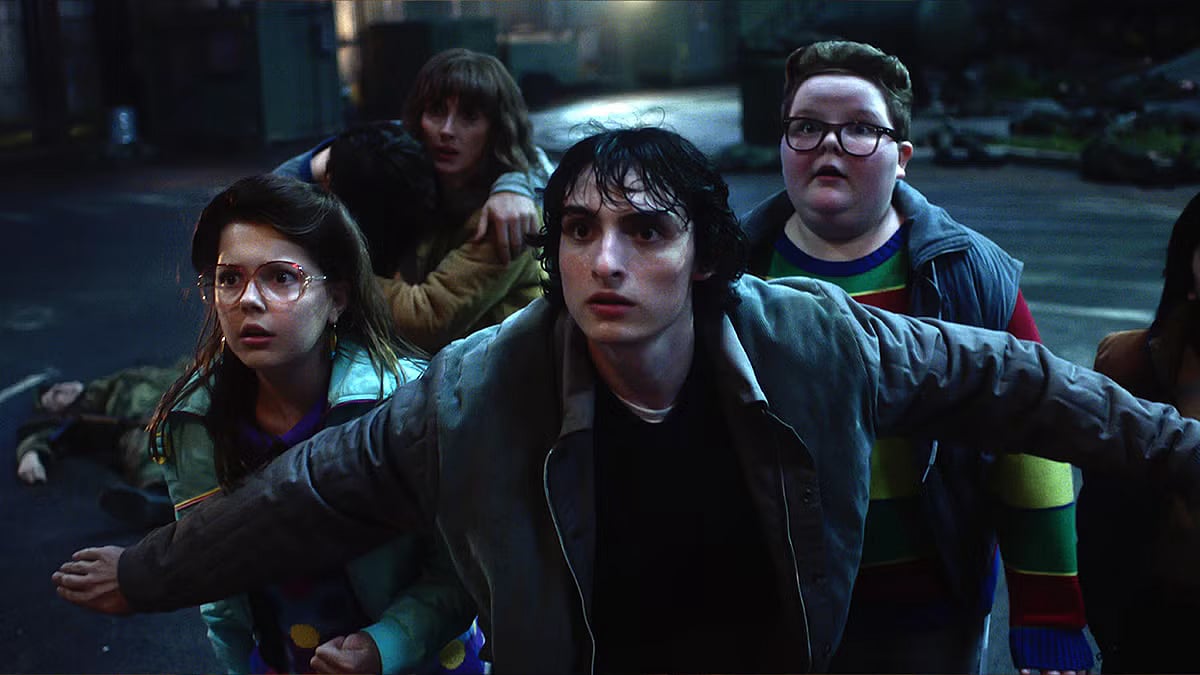
The clock struck midnight, the Upside Down closed its gates, and Stranger Things officially said goodbye on December 31 with a two-hour finale packed with monsters, mayhem and tears. But the internet wasn't done.
Despite Netflix very clearly ending the series, fans were convinced one last surprise was lurking in the shadows. By Wednesday night, social media was buzzing with theories, timelines and screenshots, all pointing to a supposed secret ninth episode that would drop out of nowhere and blow the ending wide open. Fans gathered clues from wherever they could, from the way the books were arranged in the last episode (they were sure that it spelled out LIE), to even the actor Jamie Campbell Bower's interviews with Jimmy Fallon, where he didn't refer to the finale as a 'finale', but as Episode 8.
Yes, it got so intense that fans actually crashed Netflix waiting for it.
Welcome to Conformity Gate.
So… what exactly is ‘Conformity Gate’?
Conformity Gate is the fan theory that refused to die. According to believers, Season 5, Episode 8 wasn’t the real ending — it was a fake one, engineered by the show’s sinister antagonist, Vecna.
Fans began spotting what they believed were too many “mistakes” to ignore: Will Byers’ birthdate seeming to change, objects switching colours between shots, doors facing the wrong direction, and characters misremembering key details from earlier seasons. Coincidence? The internet said absolutely not.
Exhibit A: background characters at graduation standing eerily like Vecna/Henry does throughout the series.
Exhibit B: D&D books arranged to spell “X A LIE”, hinting that Dimension X — or the Abyss — didn’t actually resolve the way we were shown.
Exhibit C (and frankly the wildest): the Wheeler family somehow all morphing into Ted Wheeler energy, the show’s most aggressively conformist man.
The theory hinged on Vecna’s long-established ability to manipulate reality. The idea was that reality itself had been altered — either for the characters, the viewers, or both — and that the “true” ending was still hidden.
The name Conformity Gate came from the belief that the finale’s message felt off-brand. The ending appeared to embrace forced conformity and closure, which fans argued clashed with Stranger Things’ core themes of resistance, free will and breaking cycles. In other words: this ending felt too neat — and therefore suspicious.
Why did everyone fixate on January 7?
Was there concrete proof a secret episode was dropping on January 7? Not really. But that’s never stopped the fandom before.
First, Netflix teased an event scheduled for January 7 that promised a look at upcoming shows and films. Naturally, some fans decided this had to be code for surprise Stranger Things content.
Then there was the holiday pattern. Season 5 episodes dropped on Thanksgiving, Christmas and New Year’s Eve — all at exactly 8pm. January 7, which coincided with Orthodox Christmas, felt like it fit the pattern just a little too well.
And finally, the symbolism. The number 7 has been baked into Stranger Things lore since season one, when it was the first number rolled on the show’s dice. The final shot of the series? Another dice roll — landing on seven.
In the end, no secret episode appeared, no reality reset occurred, and Vecna didn’t hijack Netflix’s servers (this time). But if nothing else, Conformity Gate proved one thing: even when Stranger Things ends, its fandom refuses to log off quietly and are convinced the Duffer Brothers are secretly working on something to give them all the closure they need.
Spoiler: They're not.
Network Links
GN StoreDownload our app
© Al Nisr Publishing LLC 2026. All rights reserved.