Philippines: 600% jump in hybrid car sales, EVs hit fast lane, ICE cars snagged by high oil prices
Philippine auto market shifts focus to electric vehicles amid fuel concerns
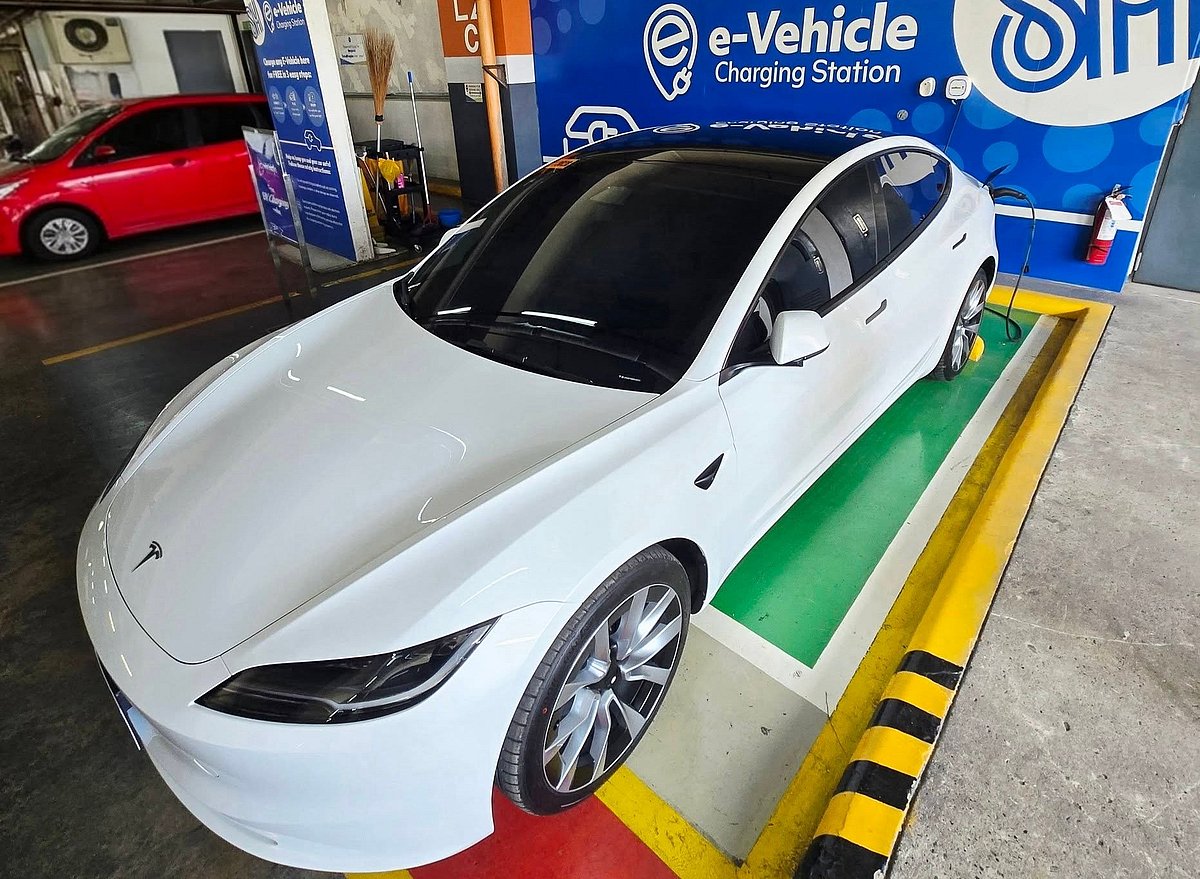
Manila: Philippine car buyers are easing off the gas — but electric vehicles (EV) are stepping on the pedal.
New internal combustion engine (ICE) vehicle sales fell 8.5% in February to 35,842 units, down from 39,164 a year ago, according to data from the Chamber of Automotive Manufacturers of the Philippines Inc (CAMPI) and Truck Manufacturers Association (TMA).
Combined, CAMPI and TMA reported a 6.4% rise in February sales compared to 33,696 in January 2026.
After years of strong growth, the ICE market is facing headwinds, catching its breath blamed it on tighter wallets and global jitters.
Rising fuel prices — fuelled by Middle East tensions — are making car buyers think twice before splurging.
Alongside, Vietnam, Singapore, Thailand and Indonesia, the Philippines now forms part of an emerging East Asian trend showing a sprint towards electrification.
As Middle East tensions make big-ticket purchases like cars easier to postpone, renewable transport options and insane features (side parking, self driving) offered by some EV makers are just icing on the cake.
So while gas-powered cars are slowing down, EVs are quietly zooming ahead.
Electric vehicle sales surged in February to 3,098 units, with hybrids leading the charge, according to an industry report.
600% jump in plug-ins
Plug-in hybrids, in particular, are gaining traction as a “transition technology,” easing range anxiety while still cutting fuel costs.
Plug-in hybrids exploded by over 600%, while battery EVs jumped nearly 80%.
Year-to-date, EV sales are up almost 67% — a clear sign Filipino consumers are warming up to going electric.
Perhaps an indication of the massive jump in EV demand here is the 2-month waiting time for a Tesla unit following downpayment, as per a Reddit group.
This surge is being driven by a mix of policy and market forces: Under the Electric Vehicle Industry Development Act (EVIDA, RA 11697, effective April 15, 2022), incentives such as tax breaks, import duty exemptions, number-coding exemptions and priority registration have lowered entry barriers for both consumers and importers.
Banks and insurers have also made hybrid and electric options more financially attractive, while major brands (BYD/Geely/VinFast in particular) are aggressively making their market push outside Manila.
Shift in consumer choice
The shift is simple: when fuel prices get unpredictable, zero-fuel driving starts looking very attractive.
Automakers are catching on fast, rolling out more electrified options as demand grows.
One challenge: charging stations are still few and far between in the Philippines, even on the Luzon mainland (more than thrice-bigger the land area of The Netherlands).
If the US-Israel-Iran war continues to keep fuel prices elevated, traditional ICE vehicle sales may stay soft while EVs keep gaining ground, say industry analysts.
Implementing rules under EVIDA, signed in September 2022, mandate the standardisation and installation of EV charging points in malls, parking lots and state-owned buildings.
While the rollout of chargers took time in a low-oil-price regime before the 2026 Middle East conflict, the tanker squeeze in Hormuz, and the spike in global oil prices could hasten it.
The sales figures show a shift in local driving culture.
Charging infrastructure challenges
Industry reports also point to a widening model lineup — from Chinese and Japanese brands — making EVs more accessible across different price points.
The same reports highlight a key constraint: infrastructure.
Public charging networks remain limited, concentrated mostly in Metro Manila, slowing adoption outside major cities.
Still, with private firms accelerating charger rollouts and utilities beginning to integrate EV demand into grid planning, momentum is building.
Taken together, the data suggests the Philippines is no longer just an emerging EV market — it’s entering an early growth phase.
Sign up for the Daily Briefing
Get the latest news and updates straight to your inbox
Network Links
GN StoreDownload our app
© Al Nisr Publishing LLC 2026. All rights reserved.