UAE October break flights: Where families are travelling and last-minute fares
UAE families are favouring shorter trips, with some October fares still under Dh2,000
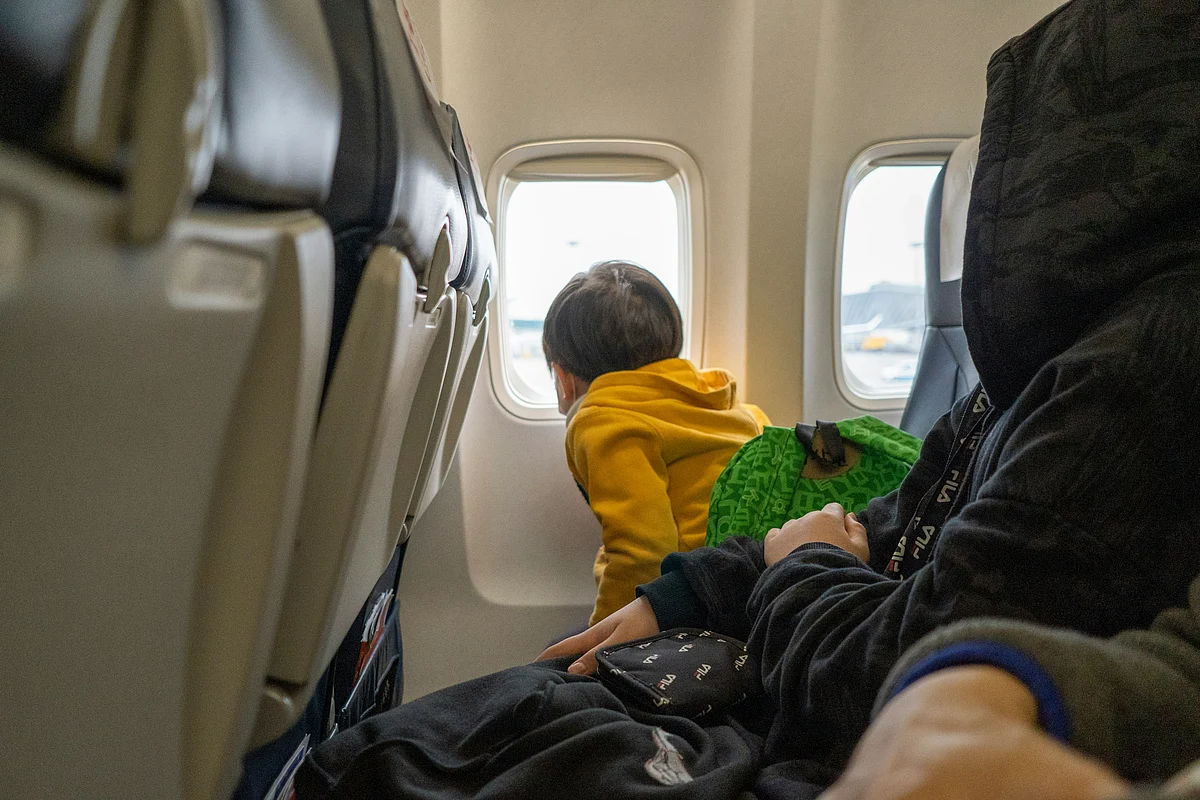
Dubai: UAE families heading abroad for the October school break are increasingly opting for shorter-haul destinations such as Georgia, Azerbaijan and the Maldives, with last-minute economy fares ranging from about Dh1,400 to more than Dh4,500, according to travel agents.
The UAE’s October 2026 half-term runs from Monday, October 12 to Friday, October 16, with students returning to school on Monday, October 19.
Airfares are higher than they were last month, but budget carriers are still offering options below Dh2,000 on several popular routes.
That said, many families are chosing to stay back in the UAE for the short break and take advantage of the many staycation deals being rolled out by hotels in the country.
UAE staycation bookings have jumped 31 per cent year-on-year ahead of the October half-term break, with families increasingly choosing shorter holidays closer to home, dnata Travel announced on Thursday, a day ahead of the school break.
Fare check
For travel between October 9 and 19, a direct economy ticket from Dubai to Mumbai on Air India Express is priced at about Dh1,440, while Air Arabia is offering Dubai-Istanbul fares at Dh1,641 and Dubai-Tashkent at Dh1,630.
A flydubai ticket from Dubai to Tbilisi is around Dh1,814, while Air Arabia's Sharjah-London fare is Dh3,235.
The gap becomes wider on some long-haul routes. Emirates is charging about Dh3,400 for Dubai-Singapore and Dh4,540 for Dubai-Mauritius, while a Dubai-London ticket on Emirates is around Dh4,330.
Dubai-Rome on Air Arabia is about Dh2,153 and Dubai-Bangkok on flydubai around Dh2,579.
From Abu Dhabi, Air India Express is offering flights to Mumbai at around Dh1,670, while Pegasus has Abu Dhabi-Istanbul fares at about Dh1,816. Etihad fares to Bangkok are around Dh3,710 and Abu Dhabi-London around Dh4,330.
The fares are direct economy fares for travel during the October 9-19 period cited by the travel industry sources, and can change depending on availability and booking time.
Shorter trips
Mehar Sawlani, director of sales at Richmond Gulf Tourism, said UAE families are showing a preference for shorter breaks and destinations closer to the UAE.
“Georgia, Baku, Azerbaijan and Maldives” are among the destinations seeing interest, according to Sawlani's comments.
He said travellers are also looking ahead to the winter season, when Seychelles, Maldives and Almaty are expected to be popular choices.
The attraction of shorter trips is partly practical, with families able to travel for a few days without spending too much time in transit.
Sawlani also pointed to airline capacity as an important factor for fares. From November, more airlines are expected to resume or add services from Europe, the US and other international markets.
“When supply increases, automatically rates go down,” he said, pointing to the current shortage of capacity as one reason fares remain elevated.
He added that Indian carriers are also increasing their presence, which could create cheaper alternatives on some routes.
Northern Lights
Travel demand is not limited to short-haul destinations.
Sapna Aidasani, marketing director and head of marketing at Pluto Travels, said bookings are getting busy, with Finland attracting particular attention from UAE travellers interested in seeing the Northern Lights.
She said European carriers have not yet fully returned to the market, although Emirates has started operating to Finland.
Far East travel is also continuing to perform strongly, according to Aidasani. She cited demand from groups and corporate travellers, including company retreats, alongside continued interest in beach destinations.
She said the agency is doing better than last year despite airlines not yet having fully restored their presence on some routes.
Winter demand
TP Sudheesh, general manager of Deira Travels, said some travellers who postponed summer holidays are now looking to travel during winter, adding pressure to fares.
“A lot of people who have postponed their trip in summer to winter” are now preparing to travel, he said, pointing to high demand across multiple destinations. He said UAE carriers are benefiting from the demand, particularly with the UAE National Day holiday also approaching.
Forward bookings are positive, with GITEX and other attractions expected to support traffic into the UAE, he said.
Subcontinent and Far East routes are seeing particularly strong demand, with fares remaining elevated through December.
Sudheesh said exceptionally high fares should eventually return towards more normal levels as airlines gain greater visibility on demand and pricing.
Airlines are also facing higher operating costs, including fuel prices, which could influence how aggressively fares fall.
Travel rebound
The stronger travel demand comes against a broader regional tourism outlook that remains positive despite disruption during 2026.
The ATM Travel Trends Report 2026 forecasts international visitor spending in the Middle East will increase by US$116 billion, or 57 per cent, between 2025 and 2030. International travel across MENASA is forecast to grow 17 per cent in 2027, more than twice the projected global growth rate of 8 per cent.
The report says travel disruptions in the Middle East are expected to affect 2026, but forecasts a strong rebound in 2027.
Tourism Economics managing director for EMEA Dave Goodger said consumers were continuing to prioritise travel despite economic and geopolitical uncertainty.
“This year is disrupted by an uncertain economic and geopolitical backdrop, but consumers are treating travel as essential,” Goodger said.
“People are prioritising experiences over things,” he added, saying favourable demographics, rising wealth and investment in capacity were supporting the region's longer-term growth.
The report also forecasts that international travel across MENASA will reach 316 million arrivals and 2.3 billion visitor nights by 2030, generating US$408 billion in spending.
For UAE families travelling this month, however, the immediate choice remains more straightforward: pay a premium for a long-haul holiday, or take advantage of the comparatively lower fares still available on shorter routes.
Network Links
GN StoreDownload our app
© Al Nisr Publishing LLC 2026. All rights reserved.