What UK buyers get wrong when they enter the UAE property market
Upfront fees, shorter mortgages and freehold zones often catch first-time UK buyers
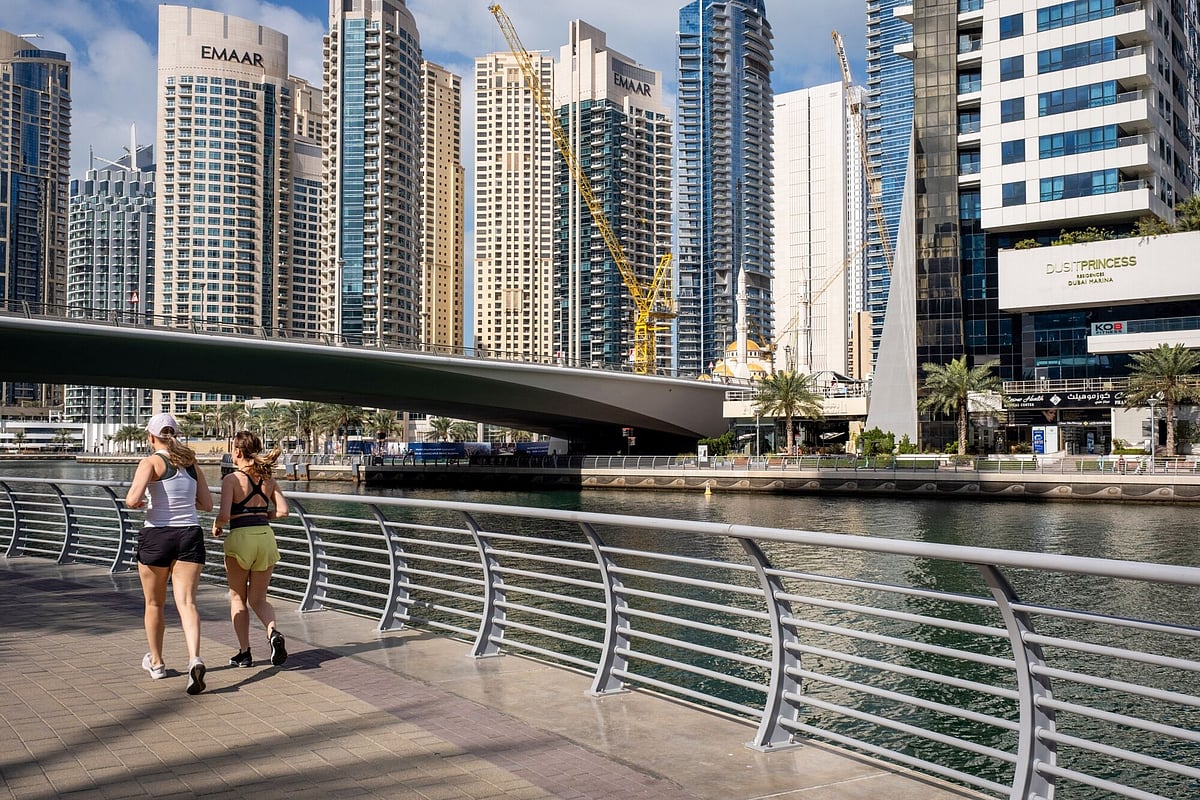
Dubai: British buyers arriving in the UAE property market often bring expectations shaped by the UK’s predictable mortgage system, slower price cycles and uniform ownership structures. Those assumptions can lead to costly mistakes when they try to move quickly in a market that functions differently.
From misunderstanding loan terms to underestimating transaction fees and relying on assumptions about “freehold”, many first-time UK buyers get tripped up by mechanics rather than price. Adam Price, CEO of Select Property, said the most common issue is not demand or interest, but entering the market without recalibrating how it works.
“The first thing to recognise is that the UAE and UK are both strong property markets, but they behave very differently,” Price said.
The UK mortgage mindset doesn’t translate cleanly
For many UK buyers, the biggest adjustment comes with financing. UK purchasers are used to long tenures and relatively predictable repayment structures. In the UAE, mortgage tenures are typically shorter, with borrowing conditions that can make monthly repayments feel heavier, particularly for buyers stretching into higher-value areas.
“Mortgage terms are typically shorter, meaning buyers need to consider higher repayments,” Price said.
That change affects decision-making early. Buyers who assume they can secure long-term financing on familiar UK-style terms may select properties above what their monthly budget can realistically absorb, then scramble to adjust late in the process.
“Tax-free” does not mean “low-cost”
Another common misunderstanding is believing the UAE’s lack of property tax makes the buying process cheap. Dubai may not levy annual property taxes in the way UK buyers recognise, but the transaction is front-loaded with fees.
“There are still significant fees to pay on the purchase of a UAE property, so it is worth researching Oqood fees,” Price said.
Dubai Land Department transfer costs, trustee office fees and agency commissions can change the true cost base materially. Buyers who budget for a deposit and a mortgage only often get surprised by the total cash required to complete.
Freehold zones and off-plan need extra diligence
Ownership also works differently. Unlike the UK’s broadly consistent freehold or leasehold system, Dubai has designated freehold zones where non-UAE nationals can own property outright. Buyers who assume all locations are equal may waste time viewing options they cannot legally purchase, or commit to an area without understanding long-term supply and disruption risk.
“Ownership structures vary,” Price said. “The UAE has designated freehold zones and a large off-plan development market, which offers strong opportunities but requires due diligence.”
Off-plan can offer attractive pricing, payment plans and early access, but it increases the importance of developer track record, delivery certainty and contract clarity.
Short stays and fast decisions are a risky mix
Many UK professionals relocating to Dubai underestimate how much the timeline matters. Buying can make sense for longer stays, but for short assignments, renting can be the more rational choice, especially once transaction costs are factored in.
“If your stay is short, three to five years, renting in the UAE is usually more practical,” Price said.
That is one reason many Britons maintain a property position back home, treating the UK as a source of stability and the UAE as a place for lifestyle and growth.
“In short, the UAE gives flexibility, lifestyle and growth opportunities, while the UK remains a trusted anchor market,” Price said. “Many expats choose to hold both.”
Step-by-step guide to buying property in Dubai
This is the buying sequence many first-time buyers struggle to map clearly. The Dubai Land Department’s trustee-based sale registration process is designed to be fast when documents line up, but the order matters.
Step 1: Confirm your documents and buying status
A valid passport is essential. A UAE visa is not required to buy in Dubai, but it may matter later for banking, mortgages or residency pathways depending on your circumstances.
Step 2: Open a UAE bank account if you will be transacting locally
This is not always mandatory, but it makes payments smoother, particularly for deposits, fees and utility setup.
Step 3: Decide your ownership route and shortlist freehold areas
Ensure the property sits within a freehold zone open to foreign ownership. This is where a RERA-registered agent adds real value through legal and location filtering.
Step 4: Choose a qualified agent and start viewings
In a market that moves quickly, buyers often commit before understanding how neighbourhoods function day to day. Price calls this one of the most common errors.
“The most common mistake first-time luxury buyers make is committing too quickly to a location or property type they have not yet fully understood,” he said.
Step 5: Do legal checks and verify ownership or developer approvals
For ready property, confirm the title deed and whether the unit has encumbrances. For off-plan, confirm developer approvals and escrow arrangements.
Step 6: Make an offer and negotiate terms
Once agreed, the transaction moves to written documentation. In Dubai, the initial binding agreement for many resale purchases is the Memorandum of Understanding.
Step 7: Sign the Memorandum of Understanding, known as Form F
This is the preliminary sale agreement that sets out price, payment, timeline and conditions.
A deposit is typically paid at this point, often handled through agreed mechanisms via the agent or trustee process depending on the transaction structure.
Step 8: Obtain the developer’s No Objection Certificate
Dubai Land Department’s sale registration process lists a developer e-certificate NOC for freehold area transfers.
The NOC confirms there are no outstanding obligations that prevent transfer.
Step 9: Finalise mortgage arrangements if you are financing
If you are using a mortgage, bank valuation and loan approval must be coordinated so the transfer appointment is not delayed. Expat loan-to-value rules and tenure conditions differ from UK norms, which is why pre-approval is often the practical starting point.
Step 10: Complete the transfer at a Real Estate Registration Trustee office
DLD outlines the trustee office steps, including verification, uploading documents, paying fees and submitting buyer information using Emirates ID or passport.
If all documents are correct, the process is designed to be completed quickly.
Step 11: Pay the main transaction fees
Key fees commonly include the DLD transfer fee and trustee partner fees, which vary by sale value, plus title deed issuance and other small service charges. The DLD service page lists fee components and trustee partner charges by transaction value.
Step 12: Register utilities and set up services
After title transfer, the practical part begins. Utilities, building management accounts and any relevant registrations must be moved into the new owner’s name.
Dubai’s appeal is real, but the process is not a UK copy-paste. The biggest mistakes happen when buyers assume familiar structures, underestimate upfront cash requirements, or commit to a neighbourhood before understanding it.
The key is to clarify freehold eligibility, total fees and mortgage reality upfront, then move decisively once the structure is understood.

Sign up for the Daily Briefing
Get the latest news and updates straight to your inbox
Network Links
GN StoreDownload our app
© Al Nisr Publishing LLC 2026. All rights reserved.