Can UAE residents buy property in Saudi Arabia now? What changes from January 2026
From January 2026, foreigners can own property in Saudi Arabia under new rules.
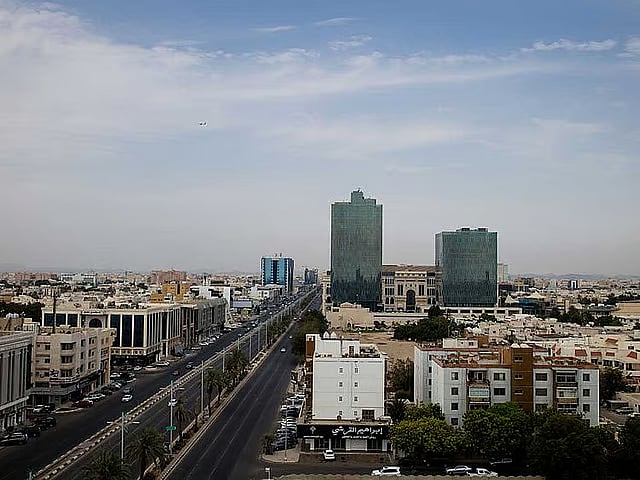
Dubai: For the first time, foreigners, including UAE citizens and expatriates, are allowed to buy property in Saudi Arabia under a new real estate law that took effect this January. The move represents a major step in the Kingdom’s economic liberalisation drive and aligns closely with its Vision 2030 ambitions to attract global investors and broaden its non-oil economy.
Who can buy and where
Under the new framework, both foreign individuals and companies can own freehold real estate in designated zones across Saudi Arabia. The first phase of areas open to ownership includes Riyadh and Jeddah, while additional cities will follow in 2026 once regulatory boundaries are fully mapped. Makkah and Madinah remain subject to tighter restrictions due to cultural and religious sensitivities, and purchases there will require special approvals.
Although ownership is legally open, Saudi Arabia’s model remains more structured than that of some Gulf neighbours. Buyers will still need to meet regulatory conditions and obtain approvals before completing transactions.
How the rules compare with the UAE
According to Zacky Sajjad, Director of Business Development and Client Relations at Cavendish Maxwell, the new system is built to balance opportunity with control. “Under the newly introduced real estate ownership framework, UAE citizens and expatriates are now permitted to buy property in Saudi Arabia. This represents a significant policy shift and aligns with the Kingdom’s broader strategy to attract foreign investment into the real estate sector,” he said.
He noted that Saudi Arabia’s model is newer and more regulated than the UAE’s. “Foreign ownership is allowed, but only in approved locations (similar to the UAE), and buyers should expect a greater emphasis on regulatory approvals, compliance checks, and evolving implementation guidance. For UAE based buyers, the key difference is that the Saudi market is still in a price discovery and regulatory bedding-in phase, whereas the UAE offers a more mature, globally familiar investment environment.”
Why Saudi Arabia is opening up now
The government’s goal is to channel more foreign capital into real estate and construction. This is part of a broader plan to diversify revenue sources, stimulate private sector growth, and expand urban infrastructure. Officials expect the new law to drive investment in emerging cities, support housing supply and attract global developers looking for new markets.
Zoned ownership rules will be published on the “Istitaa” public consultation platform, providing investors with a clearer picture of eligible locations and purchase procedures.
What UAE buyers should consider
Industry experts say the opportunity is significant but requires a measured approach. Sajjad advised that investors view Saudi real estate as a long-term play. “UAE buyers should approach Saudi Arabia as a long-term strategic opportunity rather than a short-term trading market. The opening of ownership is closely tied to Vision 2030, major infrastructure spending, and population growth in cities such as Riyadh and Jeddah, and due diligence is critical,” he said.
He added that buyers must verify whether a property sits within an approved ownership zone and review resale and leasing rules. “Buyers should take advice on taxation, registration, and financing, particularly as mortgage availability for foreign buyers is still developing. Early entrants may benefit from first-mover advantages, but this is a market where professional advice and regulatory clarity matter more than speed.”
Also Read
Saudi Arabia’s fastest-growing property market isn’t Riyadh, new report findsSaudi Arabia to open capital market to all foreign investors from next monthSaudi Arabia proposes landmark reforms to open Tadawul to foreign investorsSaudi Arabia's home sales boom - even before new law takes effect in Jan. 2026A new investment chapter
The reform places Saudi Arabia alongside other Gulf markets that opened to foreign ownership over the last two decades. Dubai’s real estate sector transformed after liberalising ownership rules in 2002, creating a benchmark for the region. If Saudi Arabia follows a similar trajectory, Riyadh and Jeddah could evolve into the next major destinations for cross-border property investment. This change would redefine the regional landscape for years ahead.

Sign up for the Daily Briefing
Get the latest news and updates straight to your inbox
Network Links
GN StoreDownload our app
© Al Nisr Publishing LLC 2026. All rights reserved.