My Business: How a mother turned her son’s medical journey into a UAE VR emotional-recovery tool
X-Technology blends neuroscience, AI and VR to support emotional healing after illness
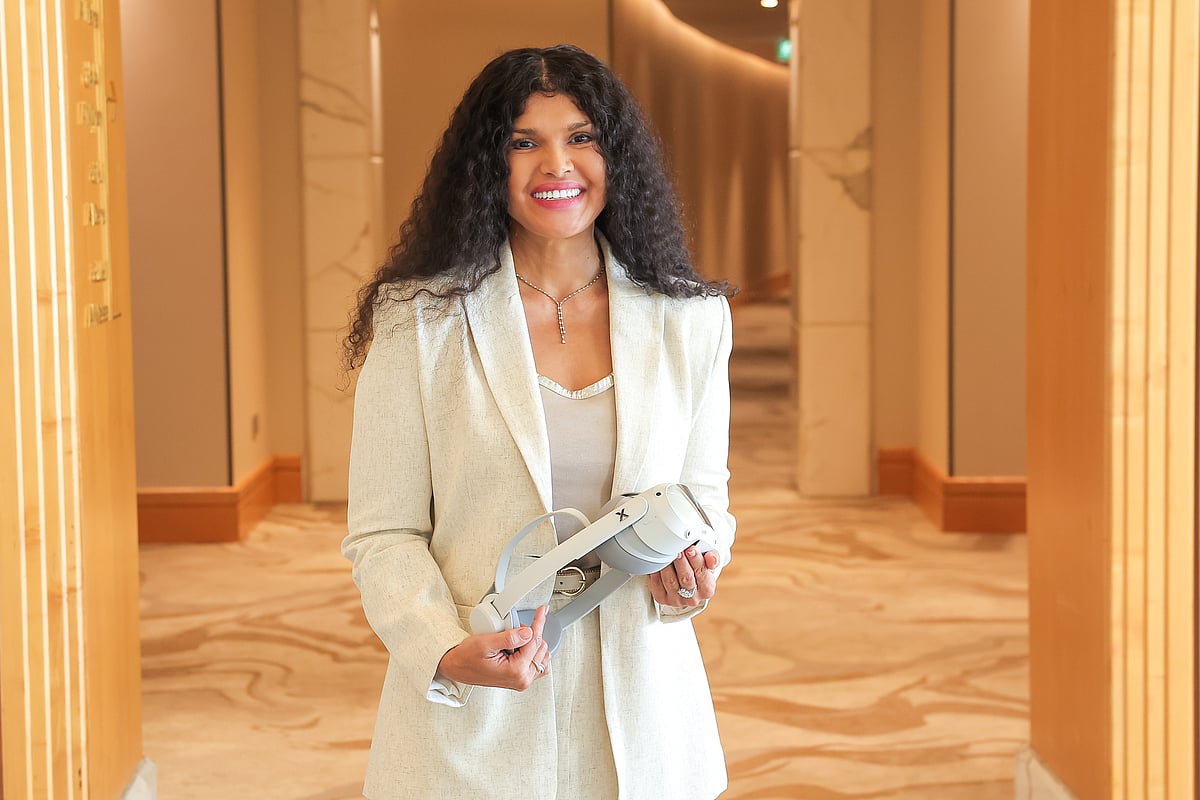
Dubai: The intersection of neuroscience and digital health has created new opportunities in the UAE, and X-Technology is one of the firms. The Abu Dhabi-based startup uses AI and virtual reality to support emotional recovery after illness. Its founder, neuroscientist and clinical psychologist Nargiz Noimann-Zander, said the idea came from her years of research and a personal turning point in her life.
Her career began nearly 30 years ago in clinical psychology, working with children and adults facing chronic and psychosomatic disorders. The direction shifted when her son was born with a congenital heart condition. His long rehabilitation, she explained, revealed how much emotional strength shapes physical progress. “His long rehabilitation process taught me that emotional strength is as critical as physical recovery,” she said. That experience pushed her to search for new ways to help patients reconnect with their emotions during recovery.
Turning science and personal experience into a company
Noimann-Zander spent years studying how psychology, cognitive science and emerging technologies could converge. That work eventually led to the creation of X-Technology, which combines VR, AI and psychotechnology to build structured and measurable emotional health programmes. The goal is not distraction or entertainment but clinical benefit. “We proved technology can heal, not just distract, entertain, or inform, but truly create measurable therapeutic change,” she said.
The results have allowed the company to move beyond the lab. Its VR systems are currently being tested or implemented in several UAE hospitals, supported by research collaborations with international experts. For Noimann-Zander, the real measure of success remains the change she sees in individual patients. A person who enters a session anxious or overwhelmed often leaves calmer and more engaged in treatment. “Beyond the technology itself, I consider success to be the human transformation we witness every day,” she said.
Navigating scepticism and the realities of digital health
Building a business rooted in psychotechnology brought its own set of hurdles. Noimann-Zander said introducing VR-based therapy into traditional clinical environments required persistence and patience. Regulation, cultural differences and the need to meet medical-grade standards across several countries were early challenges. She also had to bring together neuroscientists, engineers, clinicians and designers, each with their own language and ways of thinking.
“The lesson was clear,” she said. “Innovation happens at the intersection of disciplines, where science meets empathy and logic meets creativity.” The company also faced the common realities of any young business, such as, long development cycles, limited resources and the constant pressure to demonstrate credibility. Those years, she noted, taught her the value of resilience and staying committed to purpose rather than speed.
Why the UAE became the home for the company
Noimann-Zander credits the UAE’s healthtech ecosystem for allowing X-Technology to grow at a pace that would have been difficult elsewhere. “The UAE has been an extraordinary place to build and grow innovation in healthcare,” she said. Hospitals and regulators were open to piloting new methods under scientific oversight, while national programmes in AI and digital transformation aligned closely with her vision.
She described the country as a place where infrastructure and ambition move together. The environment, she said, is not only safe and collaborative but structured to encourage experimentation. “Here, innovation is not restricted by bureaucracy, it is encouraged by vision,” she said. Dubai’s ability to move quickly on emerging technology was one of the reasons she chose to base the company in the UAE rather than Europe or North America.
Funding growth and expanding research
X-Technology began as a self-funded venture. Its early development was supported by revenue from Noimann Academy, the educational platform she previously built to train practitioners in psychotechnology and neurocoaching. Strategic partnerships with hospitals and research institutions helped fund pilots and validation studies as the company expanded.
The next step, she said, will be to bring in strategic investors who are aligned with the mission rather than those looking for quick returns. She describes neurotechnology as an investment in human health, not only a commercial category.
OPlans for the next five years
Over the next five years, Noimann-Zander expects the company to scale far beyond the UAE. She aims to build a unified VR ecosystem connecting clinics, researchers and patients in several regions. This network would allow real-time data exchange and evidence-based development of emotional recovery pathways. The company is already expanding across the MENA region and developing its first international research network.
She believes VR-based emotional health tools will eventually become part of daily routines, not only hospital treatment plans. “Our technology will be not only a clinical tool but a daily health companion,” she said, describing a future where emotional well-being is as habitual as physical activity or mindfulness.
Noimann-Zander does not come from a business family, nor did she begin her career with entrepreneurial ambitions. Her foundation is firmly in science and clinical practice. Running rehabilitation centres, building academic programmes and eventually leading a neurotech company required her to learn the business side step by step. She views entrepreneurship as an extension of her clinical work rather than a separate path. “In truth, I never separated science from entrepreneurship,” she said.
Despite difficult periods and the usual pressures faced by early-stage founders, she said she never considered returning to a traditional job. The progress she saw in patients and students was enough to push through setbacks. “Giving up was never an option,” she said.
For those starting a business, her guidance is straightforward. Begin with purpose. “The world doesn’t need more technology, it needs more meaning,” she said. She encourages founders to remain curious rather than feeling pressured to know everything and to stay focused on improving lives. The rest, she added, follows naturally when the mission is clear.

Sign up for the Daily Briefing
Get the latest news and updates straight to your inbox
Network Links
GN StoreDownload our app
© Al Nisr Publishing LLC 2026. All rights reserved.