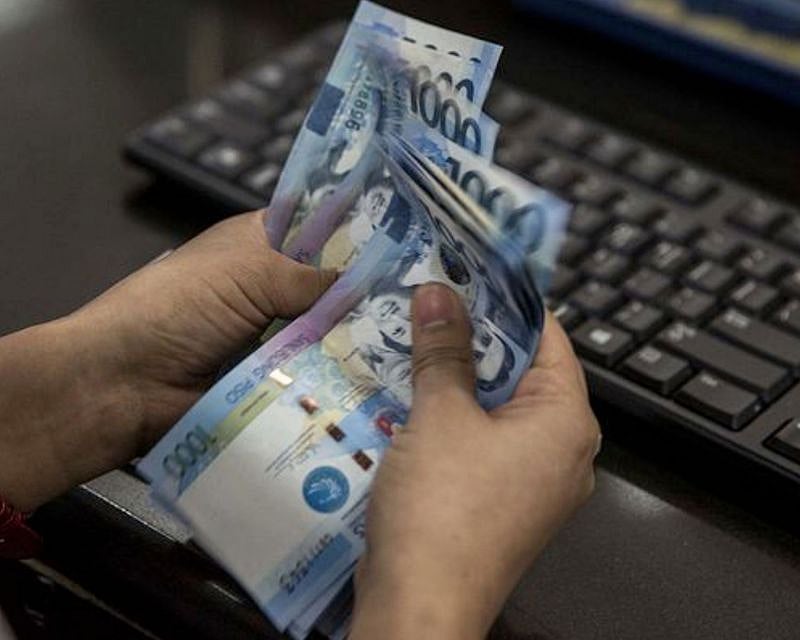
Dubai: Filipinos sending money home from the UAE are getting more pesos for every dirham after the Philippine currency fell to a fresh record low on Monday.
One dirham stood at 17.02 pesos at 10 am, up from 16.99 on Sunday and the highest level recorded so far this month.
Get updated faster and for FREE: Download the Gulf News app now - simply click here.
The difference has become more noticeable since the start of September. One dirham bought 16.92 pesos on September 1 before rising to 16.95 on September 2 and 3, then 16.99 between September 4 and 6.
Monday’s rate takes the increase since the beginning of the month to 10 centavos for every dirham. At the quoted exchange rate, Dh1,000 converts to 17,020 pesos compared with 16,920 pesos on September 1, a difference of 100 pesos.
Peso hits another record low
The higher dirham exchange rate reflects continued weakness in the Philippine currency, which fell to a fresh record low of around 62.77 against the US dollar on Monday.
The peso has lost about 6.2% against the dollar this year, making it the worst-performing emerging-market currency in Asia even while its regional peers strengthened during the quarter.
Its decline has accelerated over recent months, with the currency breaking successive records amid rising oil prices and pressure from a stronger US dollar.
“The Philippine peso’s record weakness reflects the broader pressure facing several Asian currencies amid global market volatility," said Ali Al Najjar, Chief Executive Officer of Al Ansari Exchange. "We are seeing customers pay closer attention to exchange-rate movements and choose the right time and channel to send money home.
"We have seen a slight increase in remittance activity across the Philippines corridor, as customers respond to the more favourable exchange rate."
The peso had fallen to 61.847 against the dollar on July 24 before weakening further through August and early September, eventually moving beyond 62.7 on Monday.
Higher oil bill weighs on the currency
The Philippines has been particularly exposed to the rise in energy prices because of its dependence on imported oil and its relatively limited manufacturing and commodity exports.
Higher crude prices mean Philippine importers need more dollars to pay for energy purchases, increasing demand for the US currency and adding pressure on the peso.
The country’s trade deficit widened by about 29% to $37 billion during the first seven months of the year as its oil import bill increased.
Foreign reserves have also fallen by about 9% to $103 billion from a record high reached in February, leaving the central bank with less room to use reserves to support the currency.
President Ferdinand Marcos Jr. and Bangko Sentral ng Pilipinas Governor Eli Remolona have indicated that drawing heavily on those reserves to defend the peso would not be sustainable.
Remolona told a Senate hearing last month that attempting to push the peso back below 60 to the dollar risked depleting the country’s reserves and dollar holdings, with the central bank instead focused on containing large swings in the currency.
Inflation adds another challenge
Higher energy costs are also feeding through to inflation at a time when the Philippine economy has slowed.
Consumer prices rose 6.1% in August, more than double the central bank’s 3% target, while the economy expanded by a weaker-than-expected 2.3% in the second quarter.
The BSP has already raised interest rates three times in succession in an effort to contain inflation, while growing expectations of another US interest-rate increase are adding pressure on emerging-market currencies.
Higher US yields can draw international investors towards dollar assets, increasing demand for the US currency and adding another headwind for the peso.
India and Indonesia have also faced pressure from higher oil prices, although both countries have larger foreign-exchange buffers and have taken steps to support their currencies.
- With inputs from agencies.

Sign up for the Daily Briefing
Get the latest news and updates straight to your inbox
Network Links
GN StoreDownload our app
© Al Nisr Publishing LLC 2026. All rights reserved.