UAE dirham buys most pesos in a month as currency nears record low
Dh1 buys 16.78 pesos as the currency faces seasonal and economic pressure
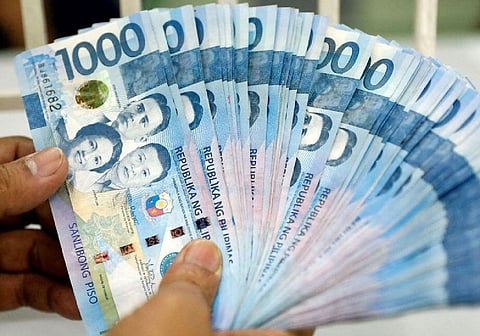
Dubai: Filipinos sending money home from the UAE are getting the strongest exchange rate in a month after the peso weakened to 16.78 against the dirham on Monday morning.
One dirham bought 16.78 pesos at 9.51 am, placing the rate close to the currency’s weakest levels against the UAE dirham.
Get updated faster and for FREE: Download the Gulf News app now - simply click here.
A Dh1,000 transfer would convert to about 16,780 pesos at the headline rate before exchange-house fees and margins are deducted, giving remitters more pesos than they would have received during much of the past three months.
Dirham rate reaches monthly high
The rate has climbed 1.48% over the past 30 days, rising from a low of 16.41 to a high of 16.78 pesos for every dirham.
Movement during the past week has been narrower, with the rate holding between 16.7366 and 16.7754 before Monday’s increase.
The dirham has gained 3% against the peso over the past 90 days, when the conversion rate ranged from 16.18 to 16.82. The current level remains slightly below the three-month high but is well above the 90-day average of 16.64.
UAE residents sending Dh2,000 would receive about 33,560 pesos at the headline rate, compared with 32,376 pesos when the rate was at its 90-day low.
Ceasefire gains have faded
The peso strengthened by more than 1% on June 15 after the US and Iran agreed to an initial ceasefire, which pushed oil prices lower and eased pressure on the Philippines as a major energy importer.
Those gains have since been surrendered, although the currency remains stronger against the dollar than its record low of 61.750 reached in April.
The peso closed Friday at 61.51 against the dollar and has performed better than most Southeast Asian currencies since the ceasefire agreement.
Strategists expect seasonal demand for dollars to weigh on the currency during the third quarter as Philippine companies increase foreign-currency purchases to pay for imports ahead of the busy year-end period.
The peso has weakened by an average of 1.6% against the dollar during the third quarter over the past decade, its poorest performance across any three-month period, according to data compiled by Bloomberg.
Economic pressures weigh on peso
The currency is also facing slower economic growth, weak household spending and a widening balance of payments deficit.
Philippine gross domestic product grew by 2.8% in the first quarter from a year earlier, marking the slowest expansion outside the pandemic since the end of 2009.
Household spending recorded its weakest growth since 2010, adding to concerns over the pace of the country’s economic recovery.
The Philippine central bank expects the balance of payments deficit to reach $10.7 billion this year, up from an earlier estimate of $7.8 billion, as tensions in the Middle East constrain global growth.
Strategists see the peso weakening to 62 against the dollar during the current quarter, while ANZ forecasts a decline to 62.5 by the end of September.
- With inputs from Bloomberg.