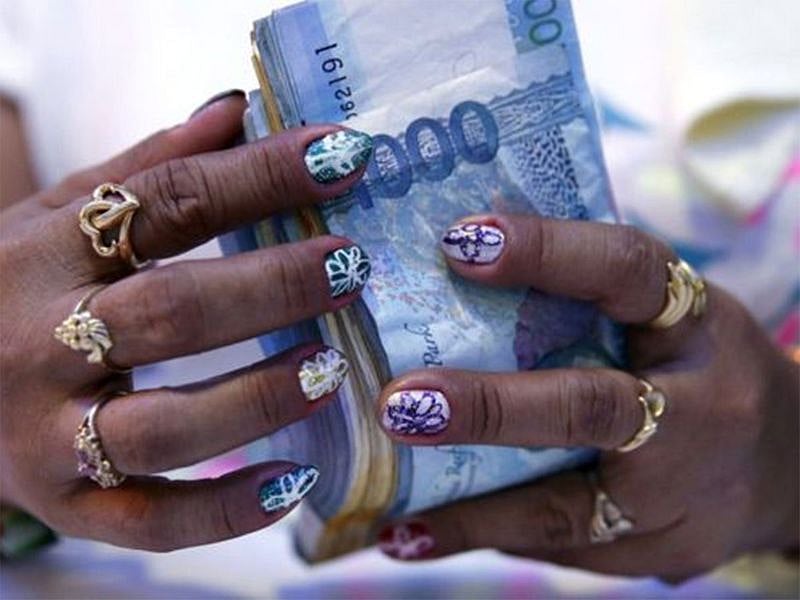
Dubai: Filipino expats in the UAE are seeing stronger returns on every dirham sent home after the Philippine peso weakened to fresh lows, pushing remittance value higher at a time when global energy costs continue to rise. (Check live forex rates here)
By 8.50 am on Thursday, one dirham was buying 16.36 pesos, marking one of the strongest levels for UAE-based senders in recent months. The move reflects a sharp depreciation in the Philippine currency, which has come under sustained pressure through March.
Steady climb through March
The shift has not been sudden. Rates at the start of the month were closer to 15.63 pesos per dirham on March 1, gradually strengthening through the first week toward the 15.9 range. Momentum picked up mid-month, with the dirham crossing 16.1 on March 12 and holding near 16.2 levels through March 13 to March 16.
Stay updated: Get the latest faster by downloading the Gulf News app - it's completely free. Click here for Apple or here for Android. You can also find it on the Huawei AppGallery.
Short pauses in the trend did little to change direction. The rate hovered around 16.21 to 16.24 across several sessions before accelerating again. By March 18, it had moved to 16.14, before breaking higher to 16.3 on March 19, extending gains for UAE senders.
The pattern reflects a consistent weakening of the peso rather than a one-day move, giving remitters a wider window to benefit from improved exchange rates.
Oil pressure drives currency weakness
The peso’s decline is closely linked to global oil markets, where higher prices are placing strain on economies that rely heavily on energy imports.
The currency slipped past the key 60 level against the US dollar, touching a record low near 60.40, as rising crude prices fed into inflation concerns and widened trade pressures. The Philippines, which depends on imported fuel, remains exposed to these shifts.
Central bank policy has also shaped the move. The Bangko Sentral ng Pilipinas signalled that intervention would focus on smoothing volatility rather than defending a specific exchange rate, allowing the peso to adjust to market pressures.
Inflation risks add to outlook concerns
Higher oil prices are feeding into transport, power and production costs, raising the risk of broader inflation. Economists continue to flag the Philippines among the more exposed economies in Asia when it comes to energy-driven price shocks.
This backdrop has placed the peso among the weaker regional currencies in March, adding to pressure on policymakers while improving returns for overseas workers sending money home. Every Dh1,000 now converts to roughly 16,360 pesos, compared with around 15,600 pesos at the start of the month, offering a noticeable gain without any change in transfer amount.
Movements remain tied to oil prices and global risk sentiment, suggesting volatility could persist. That keeps the window open for expats watching exchange rates closely, with further swings likely to be driven by energy markets and central bank responses in the weeks ahead.
- With inputs from Bloomberg.

Sign up for the Daily Briefing
Get the latest news and updates straight to your inbox
Network Links
GN StoreDownload our app
© Al Nisr Publishing LLC 2026. All rights reserved.