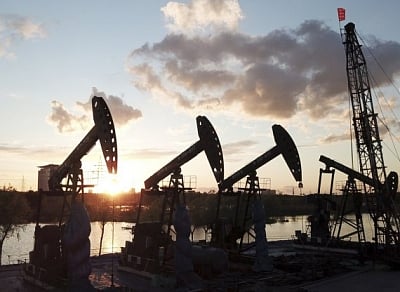
Dubai: Oil and metals prices surged as markets reacted to renewed tensions in the Middle East, with investors adjusting expectations for a potentially extended conflict and its impact on global growth.
U.S. crude jumped $1.95 to $101.59 a barrel, while Brent crude climbed $3.41 to $115.98 a barrel. Before the conflict, Brent had been trading near $70, highlighting the sharp shift in pricing as geopolitical risk intensifies.
"Oil prices extended their upward trajectory on Monday, supported by escalating geopolitical tensions and mounting concerns over supply disruptions," said Joseph Dahrieh, Managing Director at Tickmill.
"The closure of the Strait of Hormuz continued to fuel global supply fears. At the same time, the possibility a secondary disruption in the Red Sea is adding to the concerns."
The latest move follows a brief pause in oil’s rally after Donald Trump extended a self-imposed April 6 deadline linked to potential military action against Iran. Prices have since resumed their upward trend as uncertainty deepens.
"Supply-side risks are being further amplified by the potential for military escalation. Additional U.S. troop deployments and ongoing attacks on key energy infrastructure are reinforcing concerns over sustained tensions and disruptions, underpinning the current bullish momentum in crude markets," Dahrieh added.
Get updated faster and for FREE: Download the Gulf News app now - simply click here.
Investors are increasingly positioning for a longer conflict. That outlook is feeding into expectations of higher inflation across global markets, with Asia seen as particularly exposed to slower growth if energy costs remain elevated.
"Although we do not expect the conflict to be protracted, we anticipate heightened volatility in the near term," said Xavier Lee, senior equity analyst at Morningstar Research. Dahrieh agreed.
"Looking ahead, oil prices are likely to remain highly sensitive to geopolitical developments. Any escalation affecting key maritime routes could drive further upside, particularly if multiple chokepoints are simultaneously compromised," he said.
"Conversely, the reopening of the Strait of Hormuz could alleviate some of the upward pressure. However, given the scale of current disruptions, normalization in supply flows in the event of a de-escalation may take time, suggesting that oil prices could still remain elevated.
Metals follow oil higher
The impact extended beyond energy. Aluminium prices rose sharply after Iran targeted two major Gulf production facilities, triggering concerns over supply disruptions.
Prices climbed about 6% in early trading before easing. They remained up 4.2% at $3,435 per tonne on the London Metal Exchange, reflecting continued pressure in the market.
"Escalation and expansion of the Middle East conflict sent crude oil and aluminium up at the open," said Ipek Ozkardeskaya, an analyst at Swissquote Bank.
The parallel rise in oil and industrial metals points to broader supply-side risks, with markets factoring in both immediate disruptions and longer-term uncertainty tied to the region.

Sign up for the Daily Briefing
Get the latest news and updates straight to your inbox
Network Links
GN StoreDownload our app
© Al Nisr Publishing LLC 2026. All rights reserved.