Jobs in the UAE: These sectors are hiring and these skills could get you noticed
AI skills, experience and visibility gain weight while employers become more selective
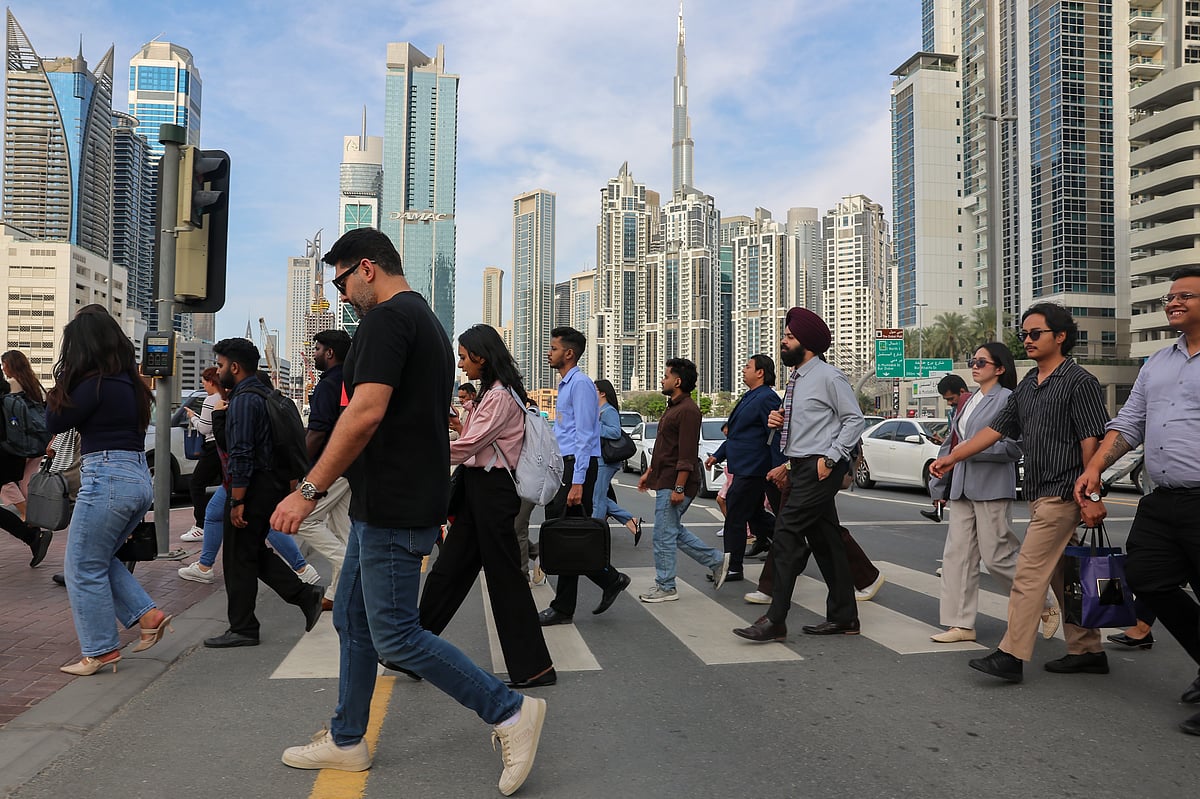
Dubai: UAE job seekers looking for their next role are seeing demand build across technology, financial services, healthcare, logistics, real estate, construction and professional services, while recruiters say getting hired increasingly depends on AI fluency and demonstrable experience.
Hiring conditions remain uneven across sectors, with Dubai continuing to generate a broad range of opportunities, Abu Dhabi adding roles across finance, technology, energy and infrastructure, and Ras Al Khaimah seeing recruitment linked to new consumer-facing businesses.
Get updated faster and for FREE: Download the Gulf News app now - simply click here
Mahesh Shahdadpuri, Group Chairman of TASC Outsourcing, expects technology, financial services, healthcare, logistics, real estate, construction and professional services to remain among the strongest areas for recruitment.
Nicki Wilson, Owner and Managing Director of Genie Recruitment, is seeing demand across F&B, retail, FMCG, marketing, customer service and other consumer-facing roles.
Dubai is expected to remain a major source of vacancies, while Wilson said Ras Al Khaimah is also seeing recruitment linked to Wynn Al Marjan Island.
Hospitality remains more mixed in the near term. Wilson said hiring in the sector is still down, although she expects some recovery heading into the winter season.
Sarah Brooks, founder of Fikrah HR, has also observed pressure across hospitality, tourism, real estate marketing, retail and trade and logistics during 2026. She described the slowdown as selective, with some companies using unpaid leave, shorter shifts or slower salary growth instead of large-scale job cuts.
AI skills move higher up the list
Candidates trying to secure roles face a more demanding hiring process, with all three experts pointing to practical skills, experience and the ability to show what they can contribute.
Brooks said AI fluency and data literacy are becoming important across functions including finance, HR, marketing and operations, while employers also value adaptability, critical thinking, cross-cultural communication and knowledge of the UAE market.
Shahdadpuri explained that the employers increasingly want candidates who can contribute quickly and understand how technology applies to their own profession.
“AI is becoming relevant across almost every profession. Employers are looking for candidates who understand how AI applies to their field and can use these tools effectively in their day-to-day work.”
Communication, problem-solving and commercial awareness also remain important, particularly when employers are examining each hire more closely.
Tougher market for entry-level candidates
Graduates and entry-level candidates face particularly strong competition, according to Wilson, who said employers have increasingly sought experienced hires over the past two years.
A degree on its own is becoming less effective as a differentiator, with employers looking more closely at experience, attitude, commercial awareness and what candidates can contribute to the business.
Wilson explained that the candidates also need to improve how they present themselves before approaching employers.
“It all starts with your CV, personal branding, networking and actually using LinkedIn properly.”
Visibility can play a major role, particularly when jobs are filled before reaching public job boards.
“Being visible and building relationships is way more important than submitting applications,” Wilson said.
Also Read
UAE hiring shows signs of rebound in 2026 after one of world’s strongest recoveriesAI makes remote interviews easier for job seekers, but harder for employersUAE hiring stays resilient, but the real race is now for AI talentUAE jobs: AI skills can earn workers up to 92% higher salaries, PwC findsLocal candidates or overseas hires?
Recruiters expect both UAE-based and international hiring to continue, although the balance depends heavily on the role.
Shahdadpuri said the local talent pool is growing, giving employers access to more professionals who already understand the market, while companies will continue recruiting internationally when specialised expertise is difficult to find locally.
Wilson is seeing a similar pattern, with employers concentrating more heavily on candidates already in the region while continuing overseas recruitment for niche positions in areas such as growth, technology, buying, product development and strategy.
Brooks expects stronger local recruitment for compliance-driven and entry and mid-level skilled positions, alongside relocation-based hiring for scarce technical and senior specialist roles. She also pointed to Emiratisation requirements as a driver of local hiring in sectors including banking, insurance, real estate and technology.
Applying for jobs takes more than clicking ‘Apply’
Recruiters recommend spreading a job search across several channels instead of depending heavily on online applications.
Brooks said LinkedIn remains important for specialist, technical and senior roles, while Indeed, Gulftalent and Bayt generate higher volumes for operational, entry-level and administrative positions. Naukrigulf remains another channel for candidates seeking to relocate to the Gulf, particularly from South Asia.
Direct company outreach, recruiter relationships, referrals and professional networking should also form part of the search.
Shahdadpuri said candidates need to tailor applications to individual roles and clearly explain the value they can bring to the employer, while Wilson said many opportunities are filled through networks, databases, referrals and direct approaches before an advert appears.
“If your entire job-search strategy only begins when you lose your job and consists of scrolling through adverts and clicking "Apply", you're already on the back foot,” Wilson said.
Recruitment outlook for 2027
Industry experts expect hiring opportunities to continue into 2027, although companies are likely to remain selective about the positions they add.
Shahdadpuri expects continued investment in technology, infrastructure, tourism, financial services and economic diversification to support skilled hiring, with greater demand for professionals who can combine their core expertise with technology.
Brooks expects stronger recruitment momentum in 2027, including renewed activity in tourism, hospitality and real estate alongside continued demand in technology, finance and healthcare.
Wilson said the volume of vacancies currently reaching her agency is already showing signs of greater employer confidence, with some companies briefing recruiters on multiple roles at once.
“If this momentum continues through the remainder of the year, I think we have very good reason to be optimistic about recruitment going into 2027.”

Sign up for the Daily Briefing
Get the latest news and updates straight to your inbox
Network Links
GN StoreDownload our app
© Al Nisr Publishing LLC 2026. All rights reserved.