My Business: How this Emirati turned a question about food security into a homegrown nutrition brand
He is creating new value from dates, camel milk, and resources found close to home
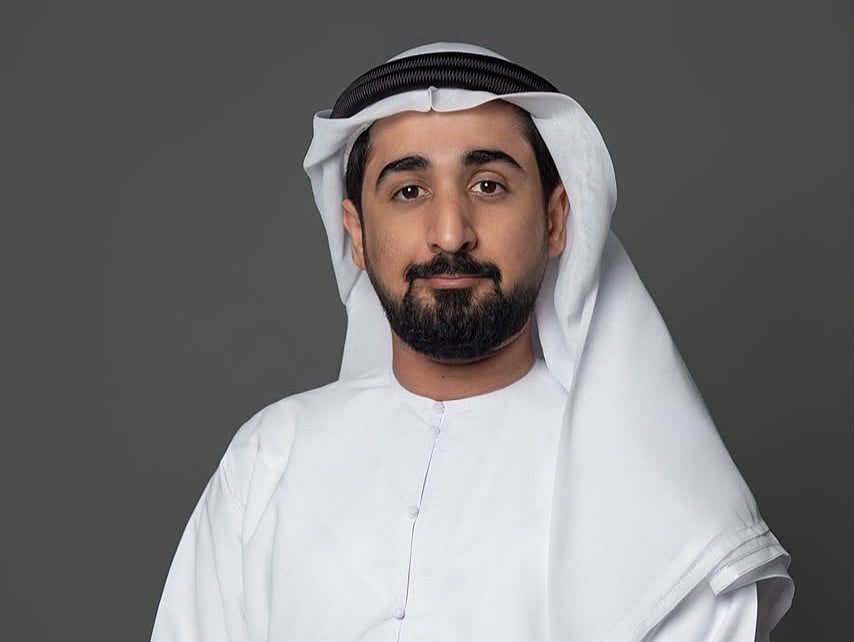
Dubai: Most entrepreneurs start with a product idea. Rashid Gargash started with a question.
The Emirati entrepreneur has found himself thinking about something bigger than snacks, health trends, or consumer demand. He has wondered what would happen if a crisis disrupted global supply chains and the UAE suddenly had to rely on what it could grow and produce at home.
It has been a question rooted in concern, curiosity, and a desire to contribute to something larger than a business.
Today, that question has evolved into Rashtions, a UAE-based nutrition company that produces protein bites made from dates and camel milk. The snacks are only the visible outcome of a deeper mission of helping build a more resilient food system using ingredients and resources found close to home.
"We began with a bigger question: how could we help feed an entire country using resources available within the UAE?" Gargash told Gulf News.
Along the way, he has explored emergency nutrition systems, agricultural innovation, food preservation, manufacturing, and even water technology.
What connects these seemingly different fields has been a belief that some of the UAE's most important challenges can be solved by looking inward rather than outward.
Get updated faster and for FREE: Download the Gulf News app now - simply click here.
Everyday nutrition
Gargash has spent years studying how food is delivered during humanitarian crises and emergencies. He has been fascinated by the question of how to provide nutritious, reliable food to large populations when normal supply chains break down.
The more he has researched, the more he realised that emergency food solutions often prioritised shelf life and practicality at the expense of the human experience.
"I started by looking at food not only as nutrition, but also as something that can support civilian morale during emergencies, large-scale deployments, and supply disruptions," shared Gargash.
After all, food is about more than calories. It can offer comfort, familiarity, and a sense of normalcy when everything else feels uncertain.
"A warm meal can make a real difference to comfort and morale in difficult conditions."
As his research progressed, Gargash has developed ideas around adaptable food systems and date-based preservation techniques. But bringing those concepts to life on a great scale would take time.
Rather than waiting for a future deployment opportunity, he has chosen to create a product people would enjoy every day.
Opportunity in local ingredients
That decision has led him to dates and camel milk, two ingredients that have sustained communities across the region for generations.
For Gargash, these weren't just nutritious ingredients. They have represented an opportunity to rethink how local resources could create value far beyond the farm.
Around the world, countries have been looking for ways to strengthen domestic industries and reduce reliance on imports. Gargash has believed that food presents one of the biggest opportunities.
"With ingredients such as dates and camel milk, the opportunity is not only to sell them in raw form. It is to turn them into modern nutrition products, food ingredients, new technologies, and exportable Emirati brands," explained Gargash.
The ripple effects can be significant. Farmers grow the ingredients. Manufacturers transform them into higher-value products. Packaging companies, distributors, retailers, and exporters all become part of the ecosystem.
Most importantly, more of the economic value remains within the country.
"Creating more value from locally sourced ingredients is important because it helps build a circular economy, where more of the money generated stays within the UAE."
Building solutions
One lesson has shaped much of Gargash's entrepreneurial journey and that is to start with the problem.
In a country facing unique challenges around climate, water resources, agriculture, and food imports, innovation begins with understanding the realities on the ground.
"I believe Emirati entrepreneurs can play a bigger role by first understanding the underlying problem, rather than beginning only with a product idea," exclaimed Gargash.
Moreover, he has been exploring a membraneless desalination concept aimed at improving water efficiency for agriculture, another area critical to long-term food security.
These projects have been connected by the same goal of helping build systems that are stronger, smarter, and more sustainable.
Why the future still needs farmers
As artificial intelligence and emerging technologies transform industries around the world, agriculture has often been part of the conversation. Gargash does not believe technology will replace farming.
Instead, he has seen it as a way to empower the people already doing the work.
"I do not think food innovation or artificial intelligence will replace the fundamentals of agriculture. We will still need farms, farmers, crops, and strong supply chains," said Gargash.
Technology can help farmers detect problems earlier, reduce waste, improve productivity, and make better use of limited water resources. But the foundations have remained the same.
"The future is not about replacing agriculture. It is about giving agriculture better tools."
Lesson behind the journey
Like many entrepreneurs, Gargash has admitted that the path was far from straightforward. The business people see today has been the result of years of research, experimentation, setbacks, and refinement.
That experience has taught him something he often shares with aspiring founders.
"Many people wait until they have the perfect idea, product, or plan. But perfectionism can stop people from starting at all," described Gargash.
Additionally, he has encouraged a process of continuous learning.
"Build, test, fail, learn, improve, and try again."
For Gargash, the biggest opportunities may not always come from discovering something entirely new. Sometimes they begin by looking more closely at what has been there all along.
Network Links
GN StoreDownload our app
© Al Nisr Publishing LLC 2026. All rights reserved.