As of 7.20am Japan time on Wednesday, March 25, 2026.
Oil prices: WTI slides to $88.50/barrel, Murban drops 11%, Brent at $104
Buyers hunting discounted barrels, as Mideast tensions drive oil price divergence
Last updated:
2 MIN READ
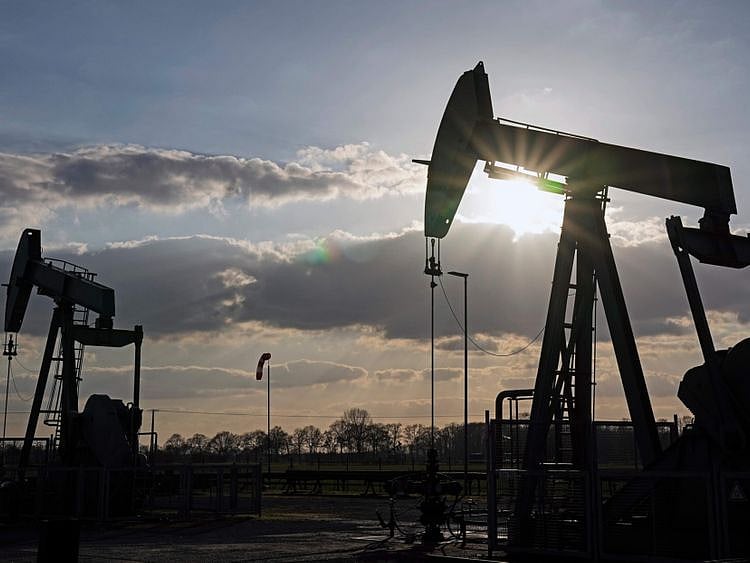
With WTI and the Indian/OPEC baskets pushing higher while Murban craters, traders are bracing for more swings until the Middle East tensions find some resolution.
AP
As of 7:20 am Japan time (March 25, 2026), the global oil market is flashing signs of volatility with massive divergences across major crudes.
While US and some producer benchmarks surge on supply fears, premium Middle East grades are sliding — painting a picture of a market under extreme geopolitical stress.
Here’s the snapshot for the key benchmarks:
WTI Crude surged to $88.50, dropping +$3.85 (-4.17%). The US benchmark is seeing weaker buying despite global supply worries.
Brent Crude slipped rose to $104.49, up $4.55 (4.55%). The North Sea international marker is showing significant upside.
Murban Crude (UAE benchmark) collapsed to $119.88, plunging a -$15.29 (-11.31%). This is the session’s biggest outlier by far.
Urals (Russian export grade) jumped to $89.12, soaring +$7.48 (+9.16%). Buyers are clearly hunting discounted barrels.
OPEC Basket climbed to $145.24, gaining +$2.38 (+1.67%).
Indian Basket powered higher to $157.04, up +$7.11 (+4.74%).
Fragmented supply chains
The moves are anything but uniform — a classic sign of fragmented supply chains and regional risk premiums.
Middle East supply shocks, driven by the reported tanker squeeze in the Strait of Hormuz are ripping the market apart.
Ongoing geopolitical tensions in the region — including transit risks and Iran-related disruptions — have triggered wild price divergences.
Some Asian import baskets and select grades have spiked dramatically while others (like Murban) have seen sharp pullbacks, creating one of the most mismatched crude markets in years.
India is holding domestic fuel prices flat even as its import basket explodes above $155.
Despite the Indian basket hitting multi-year highs, the government has kept retail petrol and diesel prices unchanged.
This shields consumers but is squeezing refiners and oil marketing companies hard as global costs keep climbing.
As of the moment, oil isn’t trading as one market — it’s a basket of regional stories colliding under geopolitical pressure.
With Brent and the Indian/OPEC baskets pushing higher while WTI and Murban craters, traders are bracing for more swings until the Middle East tensions find some resolution.
Network Links
GN StoreAbout Gulf NewsTerms & ConditionsReach by GNSitemapContact usPrivacy PolicyGN FocusHave your sayWork with usAdvertise with usGulf News epaperPrinting Services
Download our app
© Al Nisr Publishing LLC 2026. All rights reserved.