Century-old TB vaccine could reduce insulin use in diabetes patients, trial finds
Repurposed, low-cost jab slows progression of ‘type 1.5’ diabetes in adults
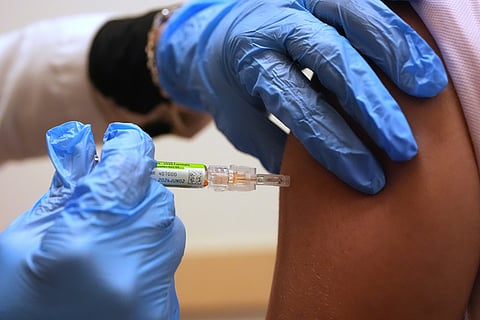
Dubai: The Bacillus Calmette–Guérin (BCG) vaccine, best known for its role in preventing tuberculosis, may have a second lease of life as a therapeutic tool for diabetes, according to new results from a phase II clinical trial.
The findings, presented by Dr Denise Faustman of Massachusetts General Hospital at the American Diabetes Association meeting on June 7 in New Orleans, Louisiana, reveal that the century-old jab can help to regulate blood sugar in patients with autoimmune diabetes. In these conditions, which include type 1 diabetes, the immune system attacks insulin-producing beta cells in the pancreas.
Get updated faster and for FREE: Download the Gulf News app now - simply click here.
Six doses over five years and striking results
Researchers administered six doses of the BCG vaccine over a five-year period and tracked outcomes across two separate patient groups, comparing results against placebo recipients.
In the first arm of the trial, 34 adults with childhood-onset type 1 diabetes received the vaccine, while 24 were given a placebo. After five or more years, those in the BCG group showed measurable improvements in blood sugar control and a statistically significant reduction in insulin use.
Participants who were given the BCG injections spent 184 percent more time within a healthy blood-sugar range compared with their levels before the trial began.
Slowing the ‘type 1.5’ form of diabetes
The second trial focused on latent autoimmune diabetes in adults (LADA), sometimes referred to as ‘type 1.5’ diabetes. Unlike type 2 diabetes, LADA is an autoimmune condition, though it typically manifests in adulthood.
Sixty-eight adults with LADA received the BCG vaccine and 27 received a placebo. Whilst the vaccine did not directly lower blood sugar readings, it appeared to meaningfully slow the disease's progression.
Vaccinated patients retained and in some cases partially restored, insulin production over the five-year period, as measured by C-peptide levels, a protein released by the pancreas alongside insulin. Those who received the placebo, meanwhile, required 22 per cent more insulin by the end of the trial than they did at the outset.
Analysis of blood samples from vaccinated LADA patients revealed lower levels of two key antibodies responsible for driving immune attacks on insulin-producing cells, suggesting the BCG vaccine may help shield the pancreas's remaining functional tissue.
A vaccine repurposed by science
The BCG vaccine is derived from a weakened strain of the bacterium that causes tuberculosis in cattle. When first developed in the 1920s, it was found to reduce child mortality not only from tuberculosis but from a range of other serious infections, an early indication of its broader immunological effects.
Hints that BCG could influence diabetes date back decades. A study published in 1990 found the vaccine could prevent or suppress type 1 diabetes in mice genetically bred to develop the condition. The new human trial results build significantly on that early evidence.
Beyond diabetes, BCG is also being investigated as a potential intervention for Alzheimer's disease, adding to a growing body of research into the vaccine's wide-ranging immunological properties.
A cheap vaccine with no commercial backer
Despite its potential, the BCG vaccine faces a significant hurdle - its patent has long expired, making it uneconomical for pharmaceutical companies to fund further research. The cost of manufacturing a single dose can be less than one dollar, meaning commercial incentives are minimal.
Bottom line - The vaccine won't cure diabetes but these results suggest it could make living with the condition meaningfully easier. For patients, that means better blood sugar control and less reliance on insulin. Larger trials are now needed to confirm the findings and establish how BCG might eventually be used in clinical practice.
The information in this article is sourced from Nature, Live Science, Reuters, Harvard Heath and CBS News.


