Data on the latest oil futures (updated with an 11-16 minute delay) as of 1.12 GMT on Friday (April 2, 2026).
Oil prices — worst behind us now? WTI, Brent drop to under $100, Murban at $103 on war ceasefire hopes amid thin overnight trading
Optimism drives oil prices down: Is the $120 "war premium" gone for good?
Last updated:
3 MIN READ
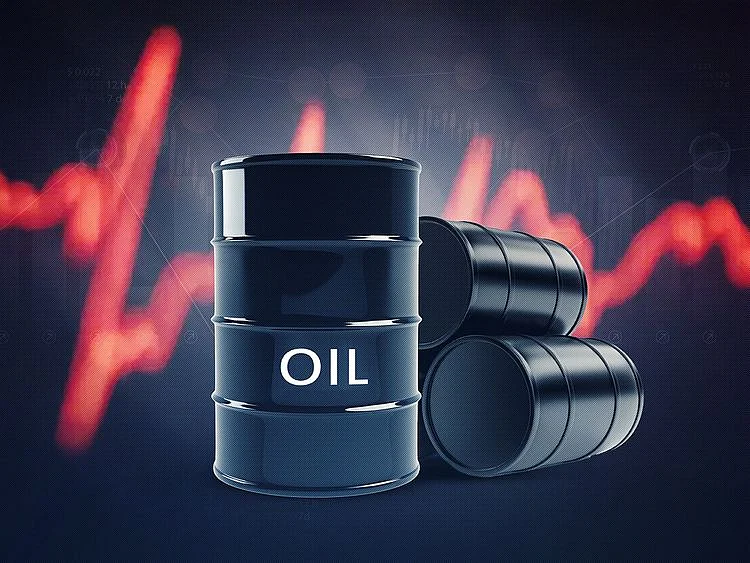
Goldman Sachs has cut its oil price forecasts for the rest of 2025 and 2026. The bank now expects Brent crude to average $60 this year and $56 next year, with WTI following a similar path.
Shutterstock
Fresh signals of de-escalation in the Iran conflict continued to drain the massive “war premium” that had driven prices above $110 just days earlier.
WTI, the main US oil price benchmark, crashed under $100 as ceasefire hopes emerged overnight.
As of 10:12 AM (Tokyo) | 1:12 AM GMT (London) on Thursday, April 2, 2026, crude oil futures tumbled sharply in thin overnight trading as fresh signals of de-escalation in the Iran conflict continued to drain the massive “war premium” that had driven prices above $110 just days earlier.
According to the latest futures snapshot (updated with an 11-16 minute delay):
WTI Crude (US benchmark): $98.28 (−$1.84 / −1.84%)
Brent Crude (global benchmark): $99.76 (−$1.40 / −1.38%)
Murban Crude (UAE benchmark): $103.63 (−$3.18 / −2.98%)
Natural Gas: $2.824 (+$0.005 / +0.18%)
Brent skyrockets, then corrects
The moves mark a continuation of the dramatic reversal that began in late March.
After the Strait of Hormuz — through which roughly one-fifth of the world’s oil flows — was effectively choked off during the height of the Iran conflict, prices rocketed toward multi-year highs.
Brent briefly topped $112 and WTI neared $100 as traders priced in prolonged supply chaos.
But diplomatic momentum has flipped the script. Reports of a US-backed 15-point peace proposal to Tehran, President Trump’s public signals of a possible halt to strikes on Iranian energy infrastructure, and indications from Iranian officials that they are open to negotiations (provided certain guarantees are met) have triggered aggressive selling.
Worst behind us now?
Markets are now betting that the worst of the supply disruption is behind us — or at least that the risk of a months-long shutdown has sharply diminished.
Murban Crude, which is more directly tied to Persian Gulf exports, fell the hardest in percentage terms, reflecting heightened sensitivity to any potential reopening of Gulf shipping lanes.
The UAE benchmark’s steeper 3% drop underscores how Middle East-specific supply fears are unwinding faster than the broader benchmarks.
Natural gas, by contrast, edged slightly higher. The modest 0.18% gain suggests traders are watching US inventory data and weather forecasts more closely than geopolitical headlines for that market.
Why this matters
The spike (March 2026): Iran’s closure of the Strait of Hormuz in response to U.S.-Israeli military action sent shockwaves through global energy markets. Oil surged more than 40-50% in a matter of weeks, pushing pump prices higher worldwide and stoking inflation fears.
The reversal (Late March–April 2): Every hint of a ceasefire or U.S. withdrawal has triggered sharp sell-offs. By April 1, Brent had already slipped below the psychologically critical $100 level on de-escalation optimism. Overnight trading on April 2 extended those losses.
What’s next
Traders will now watch for confirmation from Tehran and Washington.
Any concrete ceasefire progress could send prices lower still. Conversely, a single negative headline could spark a violent short-covering rally.
For now, the market’s message is clear: the “war premium” that lifted oil into triple digits is evaporating — early Thursday trading shows investors are not waiting around to see how the diplomacy plays out.
Sign up for the Daily Briefing
Get the latest news and updates straight to your inbox
Network Links
GN StoreAbout Gulf NewsTerms & ConditionsReach by GNSitemapContact usPrivacy PolicyGN FocusHave your sayWork with usAdvertise with usGulf News epaperPrinting Services
Download our app
© Al Nisr Publishing LLC 2026. All rights reserved.