Energy prices as of 10.26am Saturday (June 6, 2026)
Oil prices fall sharply as markets digest latest US-Iran skirmishes
US downs Iranian drones near Strait of Hormuz following reported Iran attacks in Gulf
Last updated:
2 MIN READ
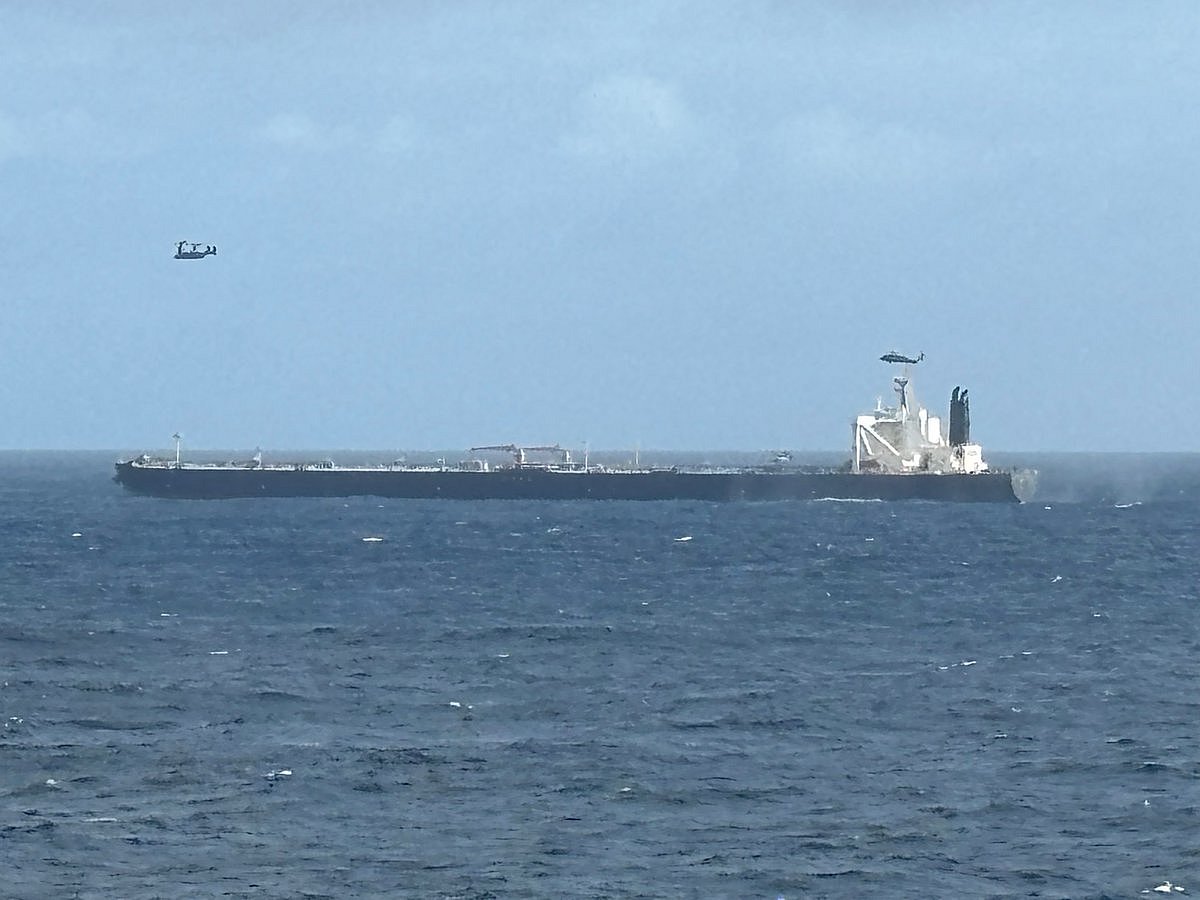
US forces under the IndoPacific Command seized the M/T Davina (a/k/a/ Lenore), a supertanker with the capacity for up to two million barrels of oil, and which is listed under US Treasury Dept. sanctions on Iran’s petroleum and petrochemical sectors.
X | @TheJusticeDept
Global oil benchmarks tumbled early on Saturday, with US WTI crude dropping more than 2.6% to $90.54/barrel as traders assessed a limited US-Iran military exchange near the Strait of Hormuz and saw reduced immediate risks to oil flows.
According to data from OilPrice.com as of approximately 10:26 am in Beijing (2.26am GMT), Brent crude fell $1.94 to $93.09/barrel, a decline of 2.04%.
Murban crude lost $2.82, or 3.02%, to $90.68.Other benchmarks also declined: WTI Midland fell 2.69% to $91.17, Mars crude was down 1.76% to $112.21, and Western Canadian Select dropped 3.56% to $80.69.
Natural gas and heating oil also posted losses, while gasoline showed a modest gain of 0.25%.
Market reaction
US Central Command forces shot down four Iranian one-way attack drones and struck coastal surveillance radar sites in self-defense Friday even as the US military boarded an Iran-linked crude oil tanker in the Indian Ocean, according to a military statement.
The command said the drones posed an immediate threat to maritime traffic and that the radar strikes on Iran’s mainland and Qeshm Island were necessary to prevent further attacks.
US forces recently boarded crude oil tanker MT Davina, part of Iran’s "ghost fleet", a network of illicit shipping facilitators that have enabled the Iranian regime to earn critical energy revenues, undermine stability in the region, and attack US partners and allies.
No casualties were reported.
Crude oil tanker boarded
On Friday, the US Department of Justice confirmed that MT Davina was sanctioned by Washington for transporting Iranian crude. The boarding by Marines forms is part of maritime interdiction and right-of-visit boarding of the sanctioned stateless vessels, the US Indo-Pacific Command stated.
The Davina was sanctioned in 2024 by the US Treasury, which said it had delivered oil from Iran to China.
Since the start of the US-Israeli war on Iran in late February, Tehran's forces have imposed control over the Strait of Hormuz.
The United States later set up its own blockade of Iranian ports, redirecting scores of vessels and firing on six ships that refused to comply.
The Strait of Hormuz remains a focal point of the 2026 US-Iran conflict, with roughly one-fifth of global seaborne oil normally transiting the chokepoint.
US blockade
A US-led blockade of Iranian ports and efforts to restore freedom of navigation — including Project Freedom and US-escorted transits — have disrupted flows for months, driving prices sharply higher earlier in the year before partial recoveries on diplomatic signals.
Prices have been volatile amid a shaky ceasefire, proxy tensions, and competing narratives on sanctions relief and nuclear issues.
Periodic Iranian provocations have kept risk premiums in the market, though optimism about eventual reopening has capped upside at times.
Saturday’s drop reflects perceptions that Friday’s incident was limited and contained, rather than a major escalation that could further choke supplies.
Sign up for the Daily Briefing
Get the latest news and updates straight to your inbox
Network Links
GN StoreAbout Gulf NewsTerms & ConditionsReach by GNSitemapContact usPrivacy PolicyGN FocusHave your sayWork with usAdvertise with usGulf News epaperPrinting Services
Download our app
© Al Nisr Publishing LLC 2026. All rights reserved.