Oil drops on profit-taking frenzy amid short-term supply hopes – but Hormuz chaos looms large
Prices remain structurally elevated — Brent above $100, Murban holding a premium near $111
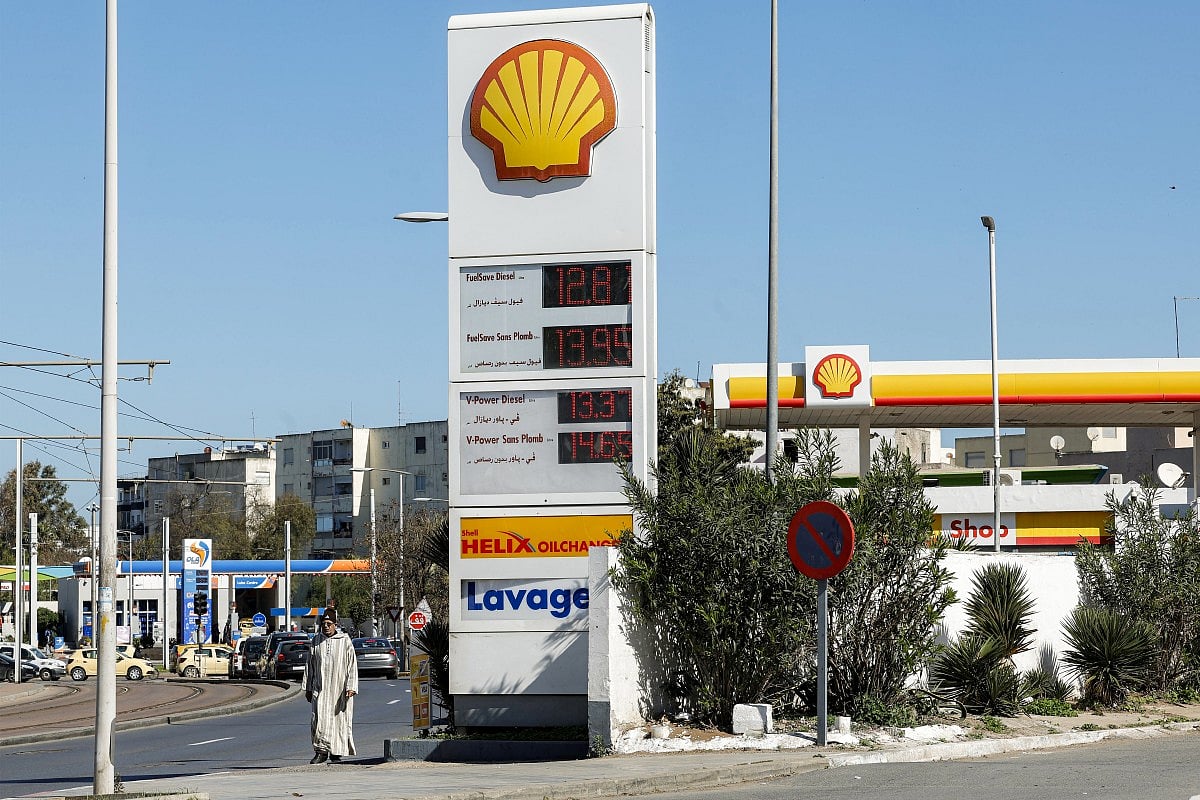
Oil price benchmarks pulled back sharply on profit-taking and short-term supply optimism, yet prices remain structurally elevated — Brent above $100, Murban holding a premium near $111, and WTI still in the low $90s.
As of Wednesday (5.28am GMT, March 18, 2026):
WTI crude surged to $93.09 (down $3.13 3.25%)
Brent hit $101.1, or 2.28% lower (down $2.36)
Murban unchanged 0% at $114.9/barrel.
This is no ordinary trading day; it is the aftermath of the largest supply shock in modern oil-market history, as hundreds of crude oil tankers are stuck in the Arabian Gulf, unable to transit through the perilous Strait of Hormuz.
Oil is the new macro driver
Higher energy costs are already crushing corporate margins (refiners, airlines, chemicals, logistics) and squeezing household budgets.
Gasoline, diesel, heating oil, and indirect pass-throughs affect everything from food to freight.
Central banks, meanwhile, are watching closely — markets are now pricing either tighter monetary policy to fight the second-round effects or outright demand destruction if $100+ crude persists.
Right now, oil is the macro driver.
It is overriding every other narrative. Analysts cite the following scenarios:
If oil breaks higher (new highs above $105–110), equities will struggle, bond yields will reprice risk, and growth-sensitive sectors will bleed.
If oil cools (quick de-escalation or meaningful reserve releases), risk assets get an immediate relief rally.
The volatility today — a 2–3% drop across benchmarks — is exactly what happens when traders debate whether the spike is transitory or structural.
Murban’s flat performance at $110.90 tells the real story: Asian refiners are still paying up for any barrel that can physically move, while Western benchmarks breathe a little easier on headlines.
Implications
Traders are looking at the valuation scenarios for the most oil-exposed stocks (upstream, oil-services, select midstream, and energy-adjacent industrials).
The upside becomes very clear if crude stays elevated longer than the market currently expects.
As base-case models which assumed $70–75 Brent are now dramatically too conservative, even a two-month extension at $95–105 lifts free-cash-flow estimates, dividend coverage, and buyback capacity materially for the highest-quality names.
The big picture: Outlook
Today’s dip changes nothing about the bigger picture.
The spike is real, the transmission to inflation and growth is real, and the portfolio re-rating for oil-exposed assets is only just beginning.
Energy outlook from leading agencies:
US Energy Information Administration (EIA), March 2026 (released March 10): “Brent settled at $94 per barrel on March 9… up about 50% from the beginning of the year… We forecast the Brent crude oil price will remain above $95/b over the next two months, before falling below $80/b in the third quarter of 2026.” The EIA explicitly ties sustained higher prices to increased U.S. production but flags the extreme dependence on the duration of Middle East outages. eia.gov
International Energy Agency (IEA): Oil Market Report, March 2026: Benchmark prices “surged by $20/bbl to $92/bbl since the outbreak of hostilities… trading within a whisker of $120/bbl.”
The IEA cut 2026 global oil demand growth by 210 kb/d to just 640 kb/d, warning that “higher oil prices and a more precarious outlook for the global economy pose further risks” and noting that a typical 10% sustained rise in oil prices curtails global GDP by around 0.15%.
Sign up for the Daily Briefing
Get the latest news and updates straight to your inbox
Network Links
GN StoreDownload our app
© Al Nisr Publishing LLC 2026. All rights reserved.