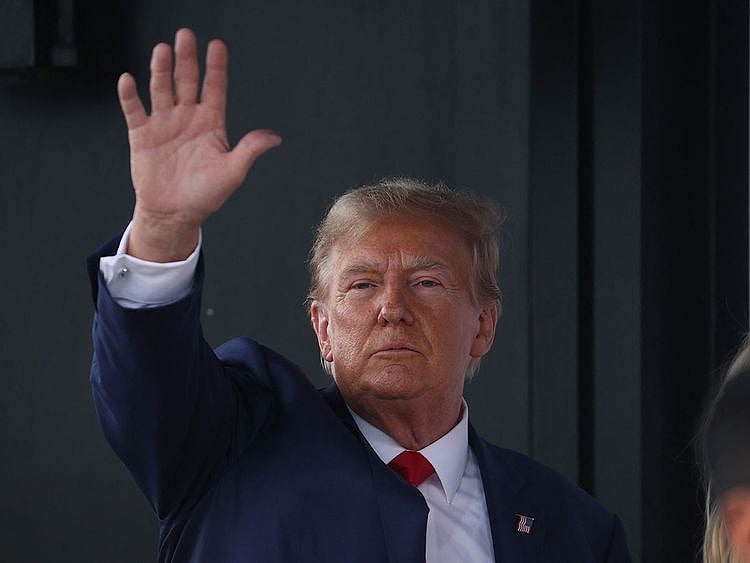
Dubai: Oil prices tumbled on Monday after US President Donald Trump confirmed ongoing talks with Iran and ordered a pause on planned strikes targeting its energy infrastructure, marking the first clear shift toward de-escalation since the conflict began.
Brent crude dropped more than 14% to $96 a barrel, while West Texas Intermediate fell to $84.37, reversing a large part of the gains seen in recent weeks. The scale of the decline reflects how quickly markets recalibrated once the risk of immediate escalation began to ease.
The trigger came from Trump’s comments indicating direct engagement between Washington and Tehran.
The United States and Iran “have had, over the last two days, very good and productive conversations regarding a complete and total resolution of our hostilities in the Middle East,” Trump said, adding that discussions would continue through the week.
Stay updated: Get the latest faster by downloading the Gulf News app - it's completely free. Click here for Apple or here for Android. You can also find it us on the Huawei AppGallery.
Military action delayed amid negotiations
Trump said he had instructed US forces to hold off on strikes against Iranian power plants and energy infrastructure, extending a deadline linked to the Strait of Hormuz.
“I have instructed the Department of War to postpone any and all military strikes against Iranian power plants and energy infrastructure for a five day period, subject to the success of the ongoing meetings and discussions,” he said.
The decision follows earlier threats of military action if Iran did not reopen the Strait of Hormuz, a critical route through which roughly a fifth of the world’s oil flows. The waterway has been at the centre of the conflict, with disruptions already affecting global supply chains and driving price volatility.
The pause in strikes introduces a temporary window for diplomacy, though its continuation depends on progress in the ongoing discussions.
Markets reprice risk across assets
The reaction extended beyond oil, with global markets shifting rapidly as the immediate risk premium began to unwind.
Equity futures in the US moved higher, with the S&P 500 rising more than 1.5%, while Treasury yields declined, reflecting increased demand for safer assets alongside improved sentiment. The dollar edged lower, and gold trimmed earlier losses after a period of sustained selling.
The sharp moves highlight how heavily markets had priced in the risk of further escalation, particularly the possibility of strikes on energy infrastructure that could have triggered a broader supply shock.
Conflict impact remains significant
Despite the sell-off, oil prices remain elevated compared to pre-conflict levels, reflecting the scale of disruption already absorbed by the market. Prices had surged more than 50% since the conflict began, driven by concerns over supply constraints and the strategic importance of the Strait of Hormuz.
Trump’s announcement does not resolve the underlying risks, but it signals a shift in direction at a critical point in the conflict. The coming days will determine whether talks translate into sustained de-escalation or remain a short pause in a broader cycle of escalation.
- With inputs from agencies.

Sign up for the Daily Briefing
Get the latest news and updates straight to your inbox
Network Links
GN StoreDownload our app
© Al Nisr Publishing LLC 2026. All rights reserved.